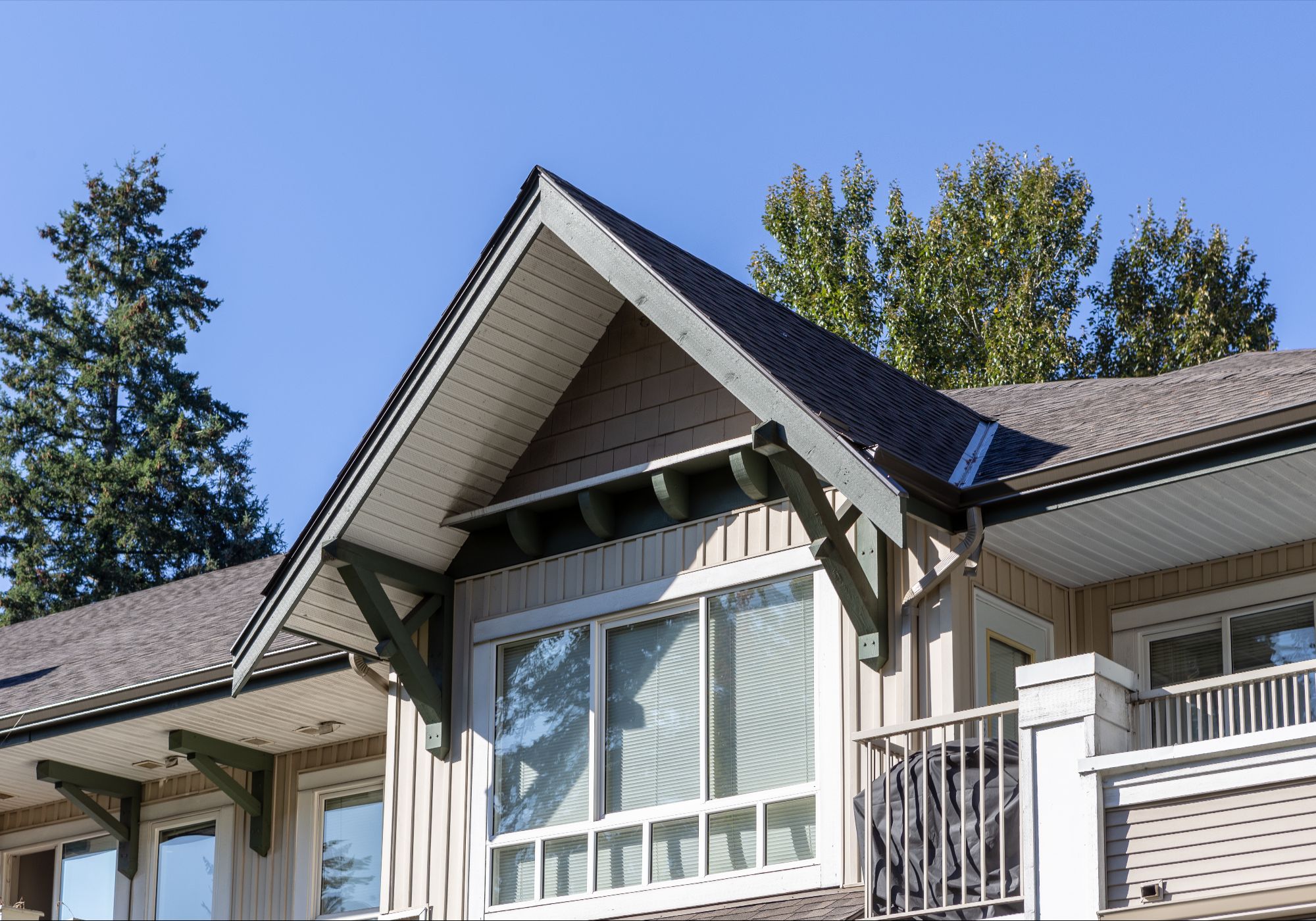
A fresh coat of paint can make a home look solid and well cared for, but that finish does more than improve appearance. Exterior paint acts as a barrier against moisture, sunlight, and temperature swings that slowly wear down building materials. Spotting early signs of failure helps property owners address problems before they turn into costly structural damage.
Paint Begins to Peel Away from Siding in Small Patches
Small flakes lifting from siding often appear harmless at first, yet they point to a breakdown between the paint and the surface underneath. Exposure to moisture, poor surface prep, or aging coatings can weaken that bond over time. Once peeling begins, it tends to spread, especially in areas that face constant sun or shifting weather.
Loose paint also leaves the underlying material exposed, which invites water intrusion and accelerates deterioration. Wood siding can absorb moisture quickly, leading to swelling or warping if left untreated. Addressing these early patches with proper prep and repainting prevents the issue from spreading across larger sections of the home.

Blistering Spots Appear Where Moisture Gets Trapped
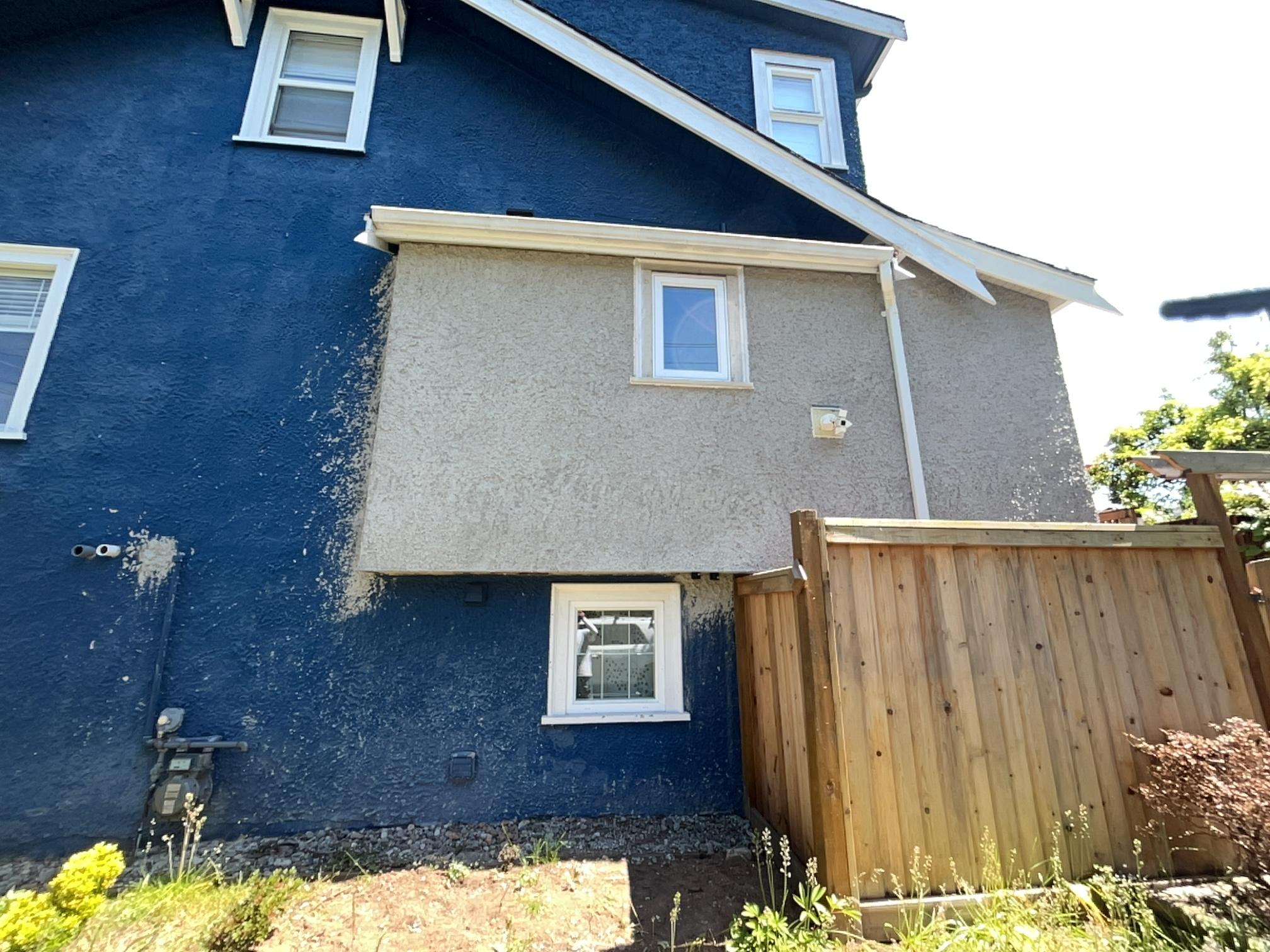
Raised bubbles in painted surfaces often signal trapped moisture trying to escape. Heat from the sun can cause that moisture to expand, pushing the paint outward and forming visible blisters. These spots usually develop in areas where ventilation is poor or where water has seeped behind the coating.
Over time, blistering weakens the entire paint layer, making it easier for sections to crack or peel away. Ignoring these spots allows moisture to continue damaging the structure beneath. Identifying the source of the moisture and correcting it is just as important as repainting the affected areas.
Faded Color Shows Uneven Wear from Sun Exposure
Color that once looked rich and even can begin to fade in patches, especially on sides of the home that receive constant sunlight. Ultraviolet rays break down pigments in paint, causing certain areas to lose vibrancy faster than others. This uneven fading creates a worn appearance that goes beyond simple aging.
Fading also signals that the protective qualities of the paint are wearing thin. Once the coating loses its strength, surfaces become more vulnerable to cracking and moisture damage. Repainting at the right time helps restore both the look and the protective layer before deeper issues begin.
Bubbling Paint Shows Poor Adhesion to the Surface
Bubbles forming under paint often indicate that the coating never bonded properly in the first place. This can happen when surfaces were not cleaned, dried, or primed correctly before application. Air pockets or contaminants trapped beneath the paint layer can lead to visible bubbling over time.
As these bubbles expand, they weaken the surrounding paint and can eventually break open, exposing raw material underneath. Poor adhesion also means the paint will not hold up well against weather conditions. Correcting the issue requires proper surface preparation before applying a new coat.
Chalking Leaves a Powdery Residue on Your Hand
Running a hand across painted siding and seeing a fine powder is a clear sign of chalking. This occurs when the paint binder breaks down, leaving behind loose pigment on the surface. Sun exposure and aging coatings often cause this gradual breakdown.
Chalking reduces the effectiveness of the paint and dulls the overall appearance of the home. It can also interfere with new paint if not cleaned properly before recoating. Removing the residue and applying a fresh, high-quality finish helps restore durability and appearance.
What Streaking Marks Reveal About Paint Breakdown
Dark or uneven streaks running down exterior walls often appear after heavy rain, and they can reveal more than just surface dirt. These marks usually form when paint begins to break down and allows water to carry debris across the surface. Over time, repeated exposure creates noticeable patterns that signal uneven wear.
Streaking can also point to areas where the paint is no longer shedding water effectively. Once that protective layer weakens, moisture lingers longer on the surface and increases the risk of damage. Addressing the underlying cause helps prevent further deterioration and keeps the exterior looking consistent.
Indicators of Early Rot Hidden Beneath Paint Layers
Paint can sometimes hide early stages of wood rot, making it harder to spot until the damage becomes severe. Soft spots, slight discoloration, or areas that feel uneven may indicate moisture has already penetrated beneath the coating. These warning signs often go unnoticed until paint begins to fail.
Rot weakens the structure of siding and trim, leading to costly repairs if not addressed quickly. Once moisture enters the wood, it creates an environment where decay can spread beneath the surface. Professional evaluation helps identify these hidden issues before they compromise the integrity of the home.
The Role of Weather Wear in Exterior Paint Failure
Changing weather conditions place constant stress on exterior surfaces throughout the year. Heat causes materials to expand, while cooler temperatures lead to contraction, which can crack or weaken paint over time. Wind, rain, and humidity all contribute to gradual wear that reduces the lifespan of the coating.
Long-term exposure to these elements makes even high-quality paint break down eventually. Areas that face direct sun or frequent storms tend to show signs of failure sooner than sheltered sections. Regular maintenance and timely repainting help extend the life of exterior finishes and protect the home.

Restore Your Home’s Protection and Curb Appeal with EB Painting Before Damage Spreads Further
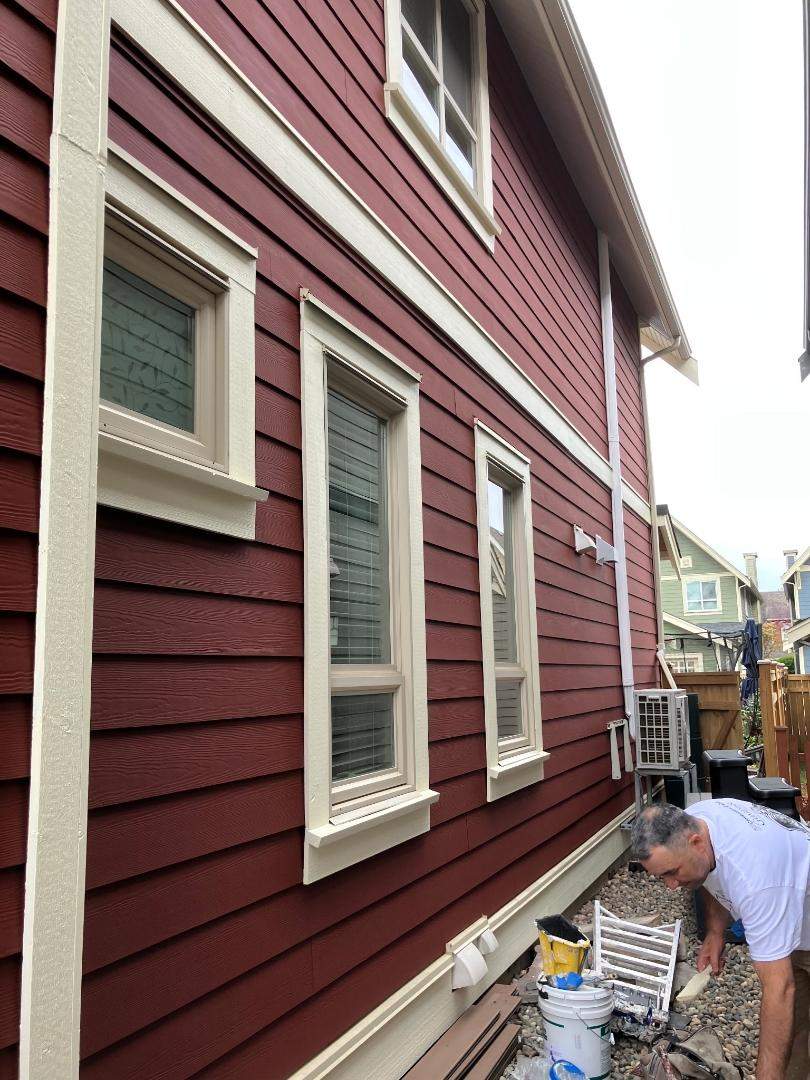
A home’s exterior should never be left to slowly break down while small paint issues turn into bigger structural problems. Professional painting services go far beyond applying a new color, because proper prep work, surface repairs, and product selection all play a role in how long the finish will last. EB Painting takes the time to inspect siding, trim, and problem areas before any work begins, making sure moisture damage, loose coatings, and hidden trouble spots are handled the right way. Careful attention during preparation leads to a smoother finish and stronger protection against sun, rain, and changing temperatures.
Waiting too long to address failing paint can lead to costly repairs that could have been avoided with early action. Skilled painters know how to restore surfaces, seal out moisture, and apply coatings that hold up under real-world conditions, not just for a season but for years. EB Painting delivers results that improve curb appeal while adding a layer of protection your home depends on every day. Contact us to schedule your project and give your exterior the attention it needs before minor damage becomes a major expense.