Freshly mudded and taped drywall can look perfectly smooth before the first roller touches it. Then the paint dries, and suddenly the seams show, dull patches appear, and a few areas look lighter than the rest. The problem usually is not the paint color. New drywall and joint compound absorb coatings differently, so getting a clean finish takes the right layers in the right order.
Fresh Drywall Absorbs Paint Unevenly Across the Surface
Bare drywall is highly porous. The paper face pulls moisture from paint, while sanded areas and exposed compound absorb it at different rates. A first coat may look solid while it is wet, but those differences often become obvious once everything dries. Some sections can appear flat and dry while others hold more color or shine.
This uneven absorption is one reason freshly finished walls rarely look complete after a single pass. Adding more paint without first dealing with the porous surface can waste material because part of the coating gets soaked into the wall instead of forming an even film on top. Proper preparation gives later coats a much better surface to cover.
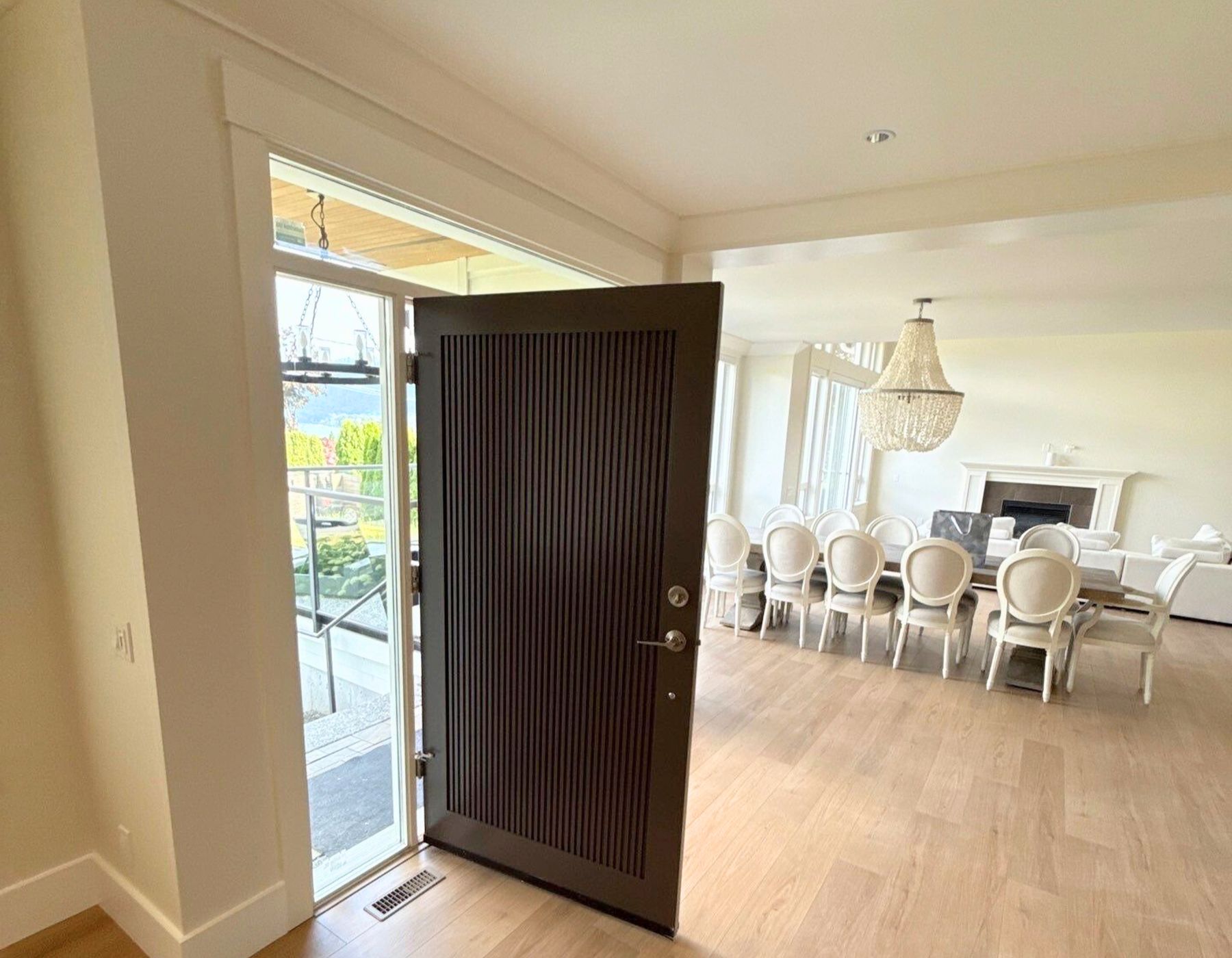
Joint Compound Flashes Through a Single Finish Coat
Those smooth bands of joint compound over screws and seams behave differently from the drywall paper around them. Under certain lighting, they can show through the finished wall as dull or shiny patches. Painters call this flashing, and it becomes especially noticeable when sunlight or ceiling lights hit a wall from the side.
Another coat can reduce the difference, but simply loading more paint onto problem areas can make the finish look patchy. The better approach starts before the final color goes on. Sanding the compound evenly, removing dust, and sealing the entire surface helps the wall accept the finish at a more consistent rate.
Primer Seals Porous Mud Before the Topcoats Go On
Drywall primer has a specific job. It seals the paper and joint compound so they do not keep pulling moisture unevenly from the finish paint. On a new wall, this step matters much more than homeowners sometimes expect. Skipping it can leave expensive topcoat doing work that a dedicated primer should have handled first.
Primer also makes small imperfections easier to spot. Once it dries, shallow sanding marks, raised edges, pinholes, and missed screw heads often become easier to see. A painter can fix those areas before applying the final color rather than discovering them after the room is supposedly finished.
Taped Seams Need Added Coverage to Blend With Drywall
A finished seam may span several inches across the wall even though the actual joint underneath is narrow. Drywall installers feather compound outward to hide that transition. Up close, everything may feel smooth, but paint can reveal slight differences in texture between the broad mudded area and the surrounding paper.
Primer followed by full finish coats helps soften that visual change. The goal is not to bury the seam under excessive material. Each layer creates a more uniform surface so light reflects across the wall without calling attention to every taped joint. This becomes especially important on large walls with strong natural light.
One Coat Often Leaves Roller Marks and Thin Areas
Even a careful painter can leave subtle differences during the first finish coat. Roller pressure changes, edges begin to dry, and some sections receive slightly more material than others. Deep colors can make these variations easier to spot, but they can happen with light shades as well.
A second topcoat gives the painter another chance to create a continuous finish from corner to corner. It fills weak areas and evens out sections where the first application dried too thin. Maintaining a wet edge and using the right roller nap still matter, but two controlled coats usually produce a cleaner result than trying to make one heavy coat do everything.
Multiple Coats Build a More Consistent Sheen and Color
Paint color is only part of the finished appearance. Sheen needs to look consistent too. Eggshell, satin, and other finishes can expose differences in application because they reflect more light than flat paint. A wall may technically be the same color everywhere and still look uneven when viewed from across the room.
Layering helps the pigments and finish build to their intended appearance. The first topcoat establishes the color, while the next creates greater uniformity across repaired areas, seams, corners, and open sections. This is especially useful when covering primer with a rich color or when the wall receives strong daylight throughout the day.
Proper Layering Helps New Walls Hold Up to Daily Wear
A good paint job needs to survive more than the final walkthrough. Hallways get brushed by shoulders, kitchens need occasional wiping, and family rooms collect fingerprints and marks. If the coating is thin or poorly bonded to an unsealed wall, everyday cleaning may expose weak areas sooner than expected.
Using primer and appropriate finish coats creates a stronger paint film over the drywall. Once fully cured, the surface is better prepared for routine use and cleaning based on the paint manufacturer’s recommendations. For a homeowner finishing a remodel or a contractor turning over a new room, those extra steps can mean fewer touch-ups later.
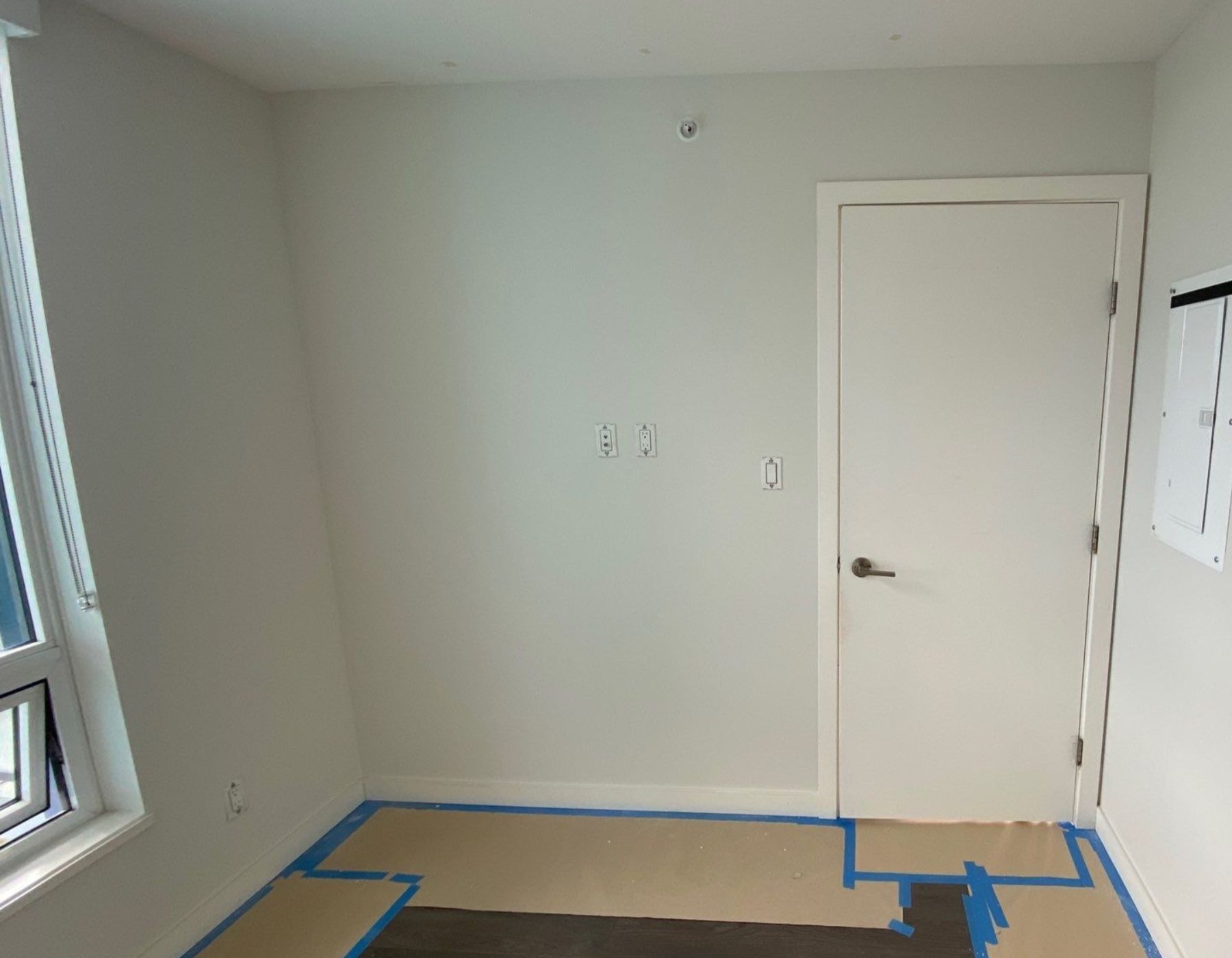
Give Freshly Finished Walls the Professional Final Coat They Deserve With EB Painting
New drywall can be unforgiving because small shortcuts tend to become visible only after the paint dries. Proper sanding, dust removal, primer, cut-in work, and evenly applied finish coats all affect the final result. EB Painting can handle that process from the newly finished surface through the final coat, helping homeowners and contractors avoid flashing, roller marks, uneven sheen, and visible seams.
Whether you have just added a room, replaced damaged drywall, finished a basement, or wrapped up a larger renovation, the painting stage should make the new work look finished rather than expose every joint underneath it. Contact us at EB Painting to discuss your freshly mudded and taped walls and get a smooth, consistent finish built to handle everyday use.
FAQs:
Can EB Painting Paint Freshly Mudded and Taped Drywall?
Yes. EB Painting can prepare and paint new drywall after the mudding and taping work is complete. The process can include checking the surface, removing sanding dust, priming, and applying finish coats for a more even result.
Does EB Painting Use Primer on New Drywall?
Yes. Primer helps seal bare drywall paper and joint compound so the finish paint absorbs more evenly. EB Painting can use the right primer before applying the final color to help reduce flashing, dull patches, and uneven sheen.
Can EB Painting Fix Visible Seams or Patchy Areas Before Painting?
Yes. If seams, sanding marks, or small surface defects are still noticeable, EB Painting can identify problem areas before the finish coats go on. Catching those issues early can make a big difference in how smooth the final wall looks.
How Many Coats Does EB Painting Recommend for New Drywall?
The exact number can depend on the paint, color, primer, and condition of the wall. In many cases, new drywall benefits from a primer coat followed by two finish coats to build even color, sheen, and coverage.
Can EB Painting Work With Homeowners and Contractors on New Construction or Renovations?
Yes. EB Painting can handle fresh drywall as part of a remodel, room addition, basement finish, or other construction project. The painting process can be coordinated around the stage of the job so the walls are ready for a clean final finish.