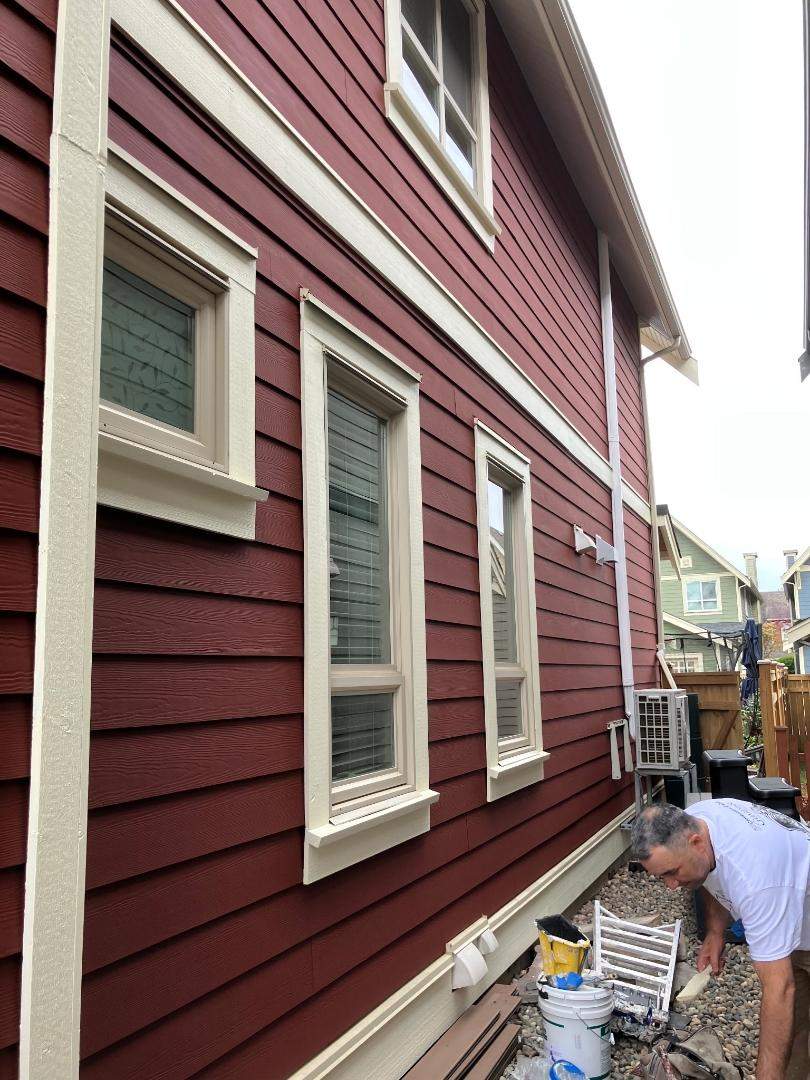
When a painting quote feels a little high, cutting primer can look like an easy way to bring the price down. The problem is that this step often does work you cannot see right away. It helps paint grip, controls absorption, blocks troublesome marks, and creates a more even surface. Saving a small amount today can mean paying for extra coats, repairs, or another paint job much sooner than expected.
Paint May Peel Sooner on Bare or Porous Surfaces
Bare timber, masonry, plaster, and other porous materials can pull moisture and binders out of fresh paint before the coating has a chance to settle properly. The surface may look fine at first, especially from across the room, but weak areas can begin lifting once they face humidity, cleaning, temperature changes, or everyday wear. Primer gives these surfaces a more stable base instead of asking the finish coat to do two jobs at once.
This matters most in rooms and areas that take regular abuse. Hallways get bumped, kitchens collect moisture, and exterior timber deals with sun and rain. If the first coat never formed a strong bond with the substrate, normal use can expose the weakness surprisingly quickly. A slightly cheaper quote loses its appeal when peeling paint needs scraping, sanding, patching, and repainting long before it should.
Uneven Absorption Can Increase the Number of Finish Coats
Not every surface absorbs paint at the same rate. Fresh filler may soak it up quickly, while an older painted area beside it barely absorbs anything. Without a sealed base, those differences can show through as dull spots, darker patches, or inconsistent colour. Homeowners sometimes assume another finish coat will solve the problem, but that can turn a two-coat job into three or even four.
Extra coats cost more than paint alone. Each one adds preparation time, drying time, cutting in, rolling, cleanup, and another visit in some cases. Using primer where the surface needs it can actually keep the job leaner by helping the topcoat cover more evenly. That makes the original quote more predictable instead of shifting the expense to extra labour later in the project.
Stains and Tannins Can Bleed Through Without Proper Sealing
Some marks are stubborn enough to push straight through ordinary wall paint. Water staining, smoke residue, ink, knots in timber, and tannins from certain woods can reappear after the fresh colour dries. Painting over them may hide the problem for a day or two, only for yellow, brown, or grey shadows to creep back through the new finish.
A suitable stain-blocking primer isolates those contaminants before the decorative coats go on. That is far cheaper than discovering the problem after the room has been completed. Once bleed-through appears, the affected area often needs to be coated again, allowed to dry, and repainted to restore a consistent finish. What looked like a skipped expense can quickly turn into duplicated work.
Poor Adhesion Often Leads to Early Cracking and Flaking
Paint needs more than a clean-looking wall. Glossy coatings, patched areas, bare wood, metal, and previously repaired surfaces can all create adhesion problems if they are not prepared correctly. When the new coating cannot grip, tiny cracks may form first. Those cracks can widen over time until flakes begin breaking away around edges, corners, trims, or high-contact areas.
Repairing failed paint takes longer than applying the correct base coat from the start. Loose material has to come off, edges need feathering, damaged sections may require filling, and the surface must be prepared again before repainting. Homeowners trying to save on the initial quote can end up funding the same preparation twice. Good adhesion is rarely the exciting part of a paint job, but it is one of the reasons a finish lasts.
Unsealed Drywall Can Leave a Patchy, Uneven Sheen
New drywall can be deceptive because it often looks smooth enough to paint immediately. In reality, the paper face and joint compound absorb coatings differently. If finish paint goes straight over both, some areas may look flat while others catch more light. The colour can be correct and still appear unfinished because the sheen changes across the wall.
Sealing fresh drywall helps create one consistent surface before the final colour is applied. This becomes especially noticeable with eggshell, satin, and other finishes that reflect light. Large walls, sunny rooms, and spaces with strong overhead lighting can make every patch stand out. Primer costs less than repeatedly recoating a wall while trying to chase away uneven shine that started underneath the paint.
Skipping Primer Can Raise Labour Costs During Repainting
Labour usually makes up a meaningful share of a professional painting quote, which is exactly why cutting preparation can backfire. When coverage is poor or adhesion fails, painters spend more time correcting surfaces that could have been prepared properly at the beginning. That might involve sanding rough sections, spot-sealing repairs, recoating problem areas, or waiting for additional layers to dry.
The cheapest version of a job is not always the one with the fewest line items. A better measure is how much work the finish requires over its useful life. Spending a little more on the right preparation can reduce touch-ups, callbacks, and premature repainting. For a homeowner watching the budget closely, avoiding repeat labour often produces a bigger saving than trimming one necessary step from the original scope.
Short-Term Quote Savings Can Lead to a Faster Full Repaint
Removing primer from a quote may shave down the upfront total, but the saving only matters if the finished paint performs well. If walls stain through, coatings peel, patches show, or colour needs several extra coats, the home may need attention again far sooner than planned. That means buying materials again and paying another round of labour for work that should have lasted.
It helps to think beyond the invoice and consider cost per year. A properly prepared paint job that holds up for longer can offer better value even when it costs more on day one. Budget-conscious homeowners do not need to choose the most expensive option. They need to avoid false savings, especially when one missing preparation step can shorten the life of everything applied over it.
Protect Your Painting Budget With a Finish Built to Last From EB Painting
A good paint job should save you from repeating the same project a few years earlier than expected. EB Painting focuses on the preparation behind the finish, not just the colour you see when the job is done. That means assessing the surface, identifying problem areas, and using the right products where they are actually needed rather than cutting essential steps simply to make a quote look cheaper.
If you are comparing painting estimates, ask what the preparation includes and why each step has been recommended. A clear scope can help you avoid surprise coats, visible defects, and premature repainting after the work is complete. EB Painting can help you choose an approach that respects your budget without sacrificing the durability of the result. Contact us to discuss your painting project and get a quote built around long-term value.