Sunshine is great for backyard barbecues and lazy weekends, but too much of it can quietly wear down the very walls around you. If your home spends most of the day soaking up rays, chances are it’s showing signs of sun damage that you might not even notice. Before the weather turns and problems get worse, take a closer look. The clues are right there—peeking through the paint, tucked in the siding, and hiding in the woodwork.
Chalky Residue Appearing on Exterior Surfaces
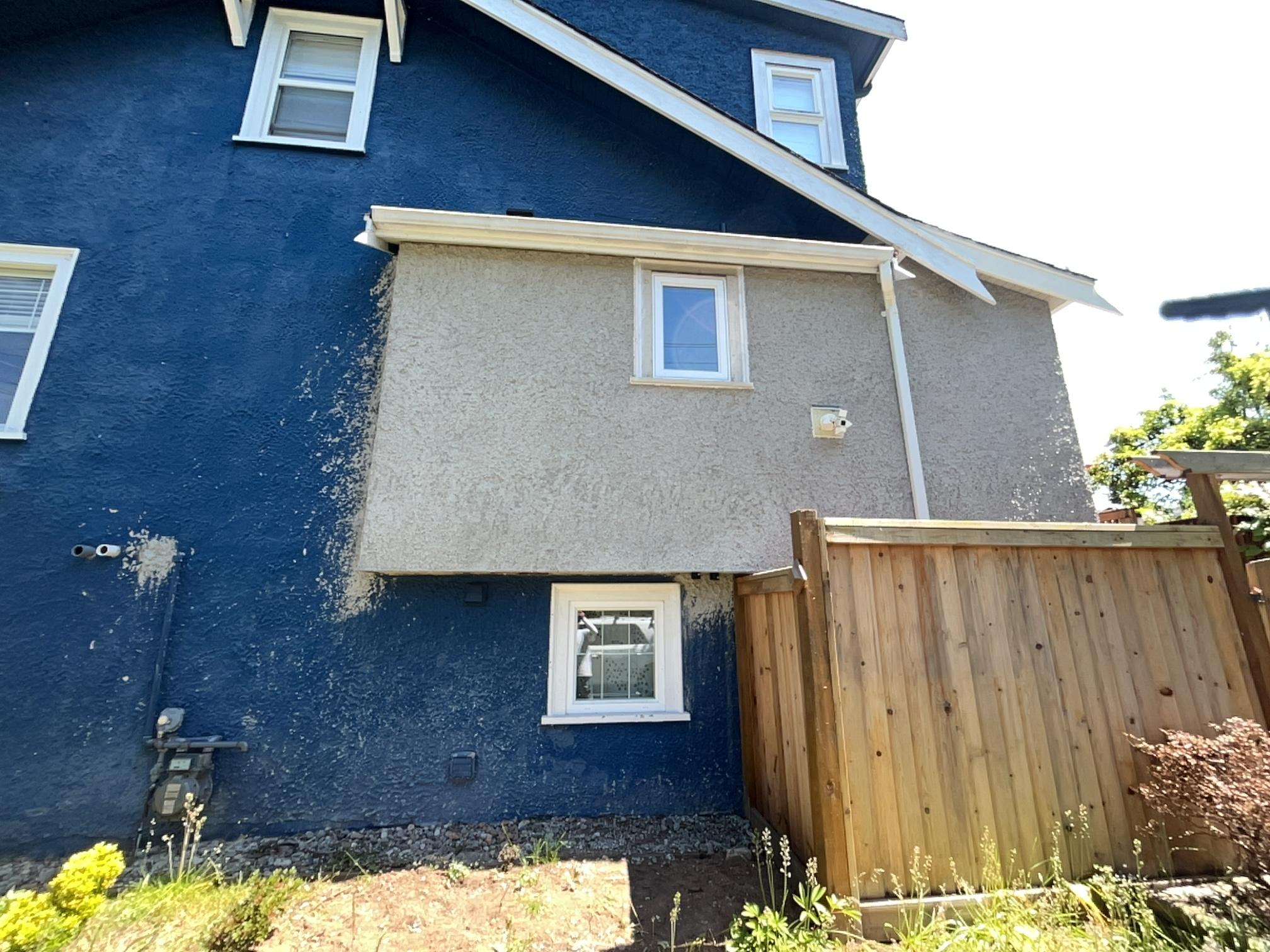
Run your hand along the siding or painted surface of your home—feel that powdery texture? That’s chalking, and it means the paint is breaking down. UV rays slowly degrade the binder in paint, leaving behind a white, dusty film that looks like chalk and clings to your skin. It doesn’t just make your home look dull—it also weakens your paint’s ability to protect the surface underneath.
You might spot this first on the sunniest side of your house, often the south or west-facing walls. Chalking reduces curb appeal and leaves your home more vulnerable to weather-related damage. A proper approach to house maintenance helps you stay ahead of this issue by ensuring your paint stays strong and secure. Ignoring chalking allows moisture and dirt to cling to surfaces more easily, which accelerates wear over time.
Paint Discoloration and Patchy Appearance
If your house once gleamed with a rich, even color but now looks a little uneven, fading paint could be to blame. Sunlight breaks down pigments in paint, causing colors to wash out or shift into odd shades. Dark colors tend to fade faster, but even lighter ones can turn patchy or blotchy in strong sunlight. It’s a slow process, but once you notice it, it’s hard to ignore.
A patchy paint job not only drags down your home’s appearance but also makes it harder to tell when actual damage starts happening beneath the surface. High-quality exterior painting done by professionals uses UV-resistant products that slow down fading and preserve color longer. If discoloration is showing up, it’s a sign the current layer of paint is no longer doing its job—and your home might need a refresh.
Blistering and Peeling on Sun-Exposed Siding
Peeling paint isn’t just a cosmetic issue—it’s a signal that something’s going wrong beneath the surface. Blisters and bubbles form when trapped moisture or air pushes through the paint, especially in areas hit hardest by the sun. Over time, these blisters pop, and the paint peels away, leaving your home exposed to the elements.
This kind of damage often starts small, but once peeling begins, it spreads quickly. Areas that lose their protective paint coating can suffer deeper issues like water infiltration and material breakdown. That’s why sun-related paint damage should be addressed quickly to maintain house protection and avoid costlier repairs later. A fresh coat of high-quality paint keeps UV rays from doing their worst.
Wooden Trim Showing Signs of Cracking and Splitting
Wood trim around windows, doors, and along the roofline takes a beating from the sun. Over time, the intense heat and light draw moisture out of the wood, causing it to dry out, crack, and split. These little gaps create the perfect opening for water, bugs, and mold to sneak in. Once rot sets in, trim boards become soft and unstable—and far more expensive to fix.
Regular upkeep can catch small cracks early and stop them from growing into bigger structural issues. Proper sealing and occasional repainting are key to keeping trim looking good and performing well. When wooden features start splitting, it’s not just an eyesore—it’s a sign that you’re falling behind on maintenance needed to prevent rot and preserve your home’s outer layers.
Vinyl Siding Losing Its Vibrancy and Becoming Brittle
Vinyl siding is built to be tough, but it’s not invincible. Over time, UV exposure fades the color and dries out the material, making it look dull and feel brittle to the touch. You might notice that panels snap more easily or feel chalky. This fading process doesn’t always happen evenly either, so one side of your home could look brand new while the other looks worn and tired.
As vinyl loses flexibility, it becomes more vulnerable to cracking during storms, temperature shifts, or even routine cleaning. And once the color fades, there’s no repainting it—it’s time to replace the panels. The only way to keep your vinyl siding strong and long-lasting is through routine house maintenance and early attention to any visible wear before it turns into breakage.
Regular Exterior Painting for Reliable House Protection
Paint does more than just look good—it acts as a protective shield. Over time, that shield wears thin, especially under constant sun exposure. A regular exterior painting schedule keeps your home’s skin thick enough to block moisture, resist UV damage, and keep pests out. Waiting too long between paint jobs allows the sun to break through that barrier, which weakens everything underneath.
Reliable painting doesn’t mean repainting every year. It means knowing your home’s paint lifespan, inspecting trouble spots, and using high-quality products that hold up under pressure. If you notice bubbling, flaking, or fading, it’s time to call in the pros. Don’t wait for problems to show up inside the walls. Repainting regularly helps extend the life of your siding and strengthens overall house protection.
Prevent Rot and Decay with Proper Paint Maintenance
Rot doesn’t start with a dramatic crack—it begins with small paint failures that let water in. Even tiny chips or fading on trim and siding give rain a way to seep inside. Once moisture enters untreated wood, the decay starts, and the repair bill grows. The good news? Regular inspections and maintenance can stop rot before it ever takes hold.
You don’t need a full repaint every season, but touch-ups, caulking, and sealing should be part of your yearly checklist. A proactive mindset helps you prevent rot and extend the life of wooden features. Just a little effort each year can avoid costly replacements and preserve your home’s structure for decades. All it takes is a close look and a little paint where it counts.
Seasonal House Maintenance Tips for Long-Lasting Color
Changing seasons bring new challenges for your home’s exterior. In the heat of summer, UV rays attack the paint and siding. In the winter, moisture freezes and expands in every little crack. Staying ahead of the elements means doing small jobs consistently—like cleaning off dirt, trimming back overgrown shrubs, and checking for signs of wear on sunny surfaces.
A good house maintenance routine includes early spring inspections and fall preparations. Wash surfaces gently but thoroughly, look for peeling paint or fading areas, and don’t ignore trim work. When you treat your home’s exterior like a living, breathing thing, it repays you with fewer problems and longer-lasting curb appeal. A few seasonal steps now can save you from big headaches later.
Keep Your Home Looking Fresh, Protected, and Timeless — Let EB Painting Do the Hard Work for You
Sun damage doesn’t announce itself with fanfare—it creeps in slowly, showing up as faded colors, peeling paint, and brittle siding. If your home is starting to look tired, it’s time to take action before the damage runs deeper. That’s where EB Painting steps in. We don’t just paint—we protect, restore, and revive the look of your home so it shines through every season.
With years of hands-on experience and a deep understanding of what the sun can do to homes in your area, our team takes pride in delivering work that lasts. We believe every house deserves to feel new again. Whether you’re looking for a full makeover or just want to address a few faded spots, EB Painting offers reliable service with a personal touch. You won’t find shortcuts here—just honest, quality craftsmanship.
Contact us today to schedule your free estimate and see what a fresh coat of expert care can do for your home. Don’t wait until the damage gets worse—let us help you protect and refresh your space, one brushstroke at a time.