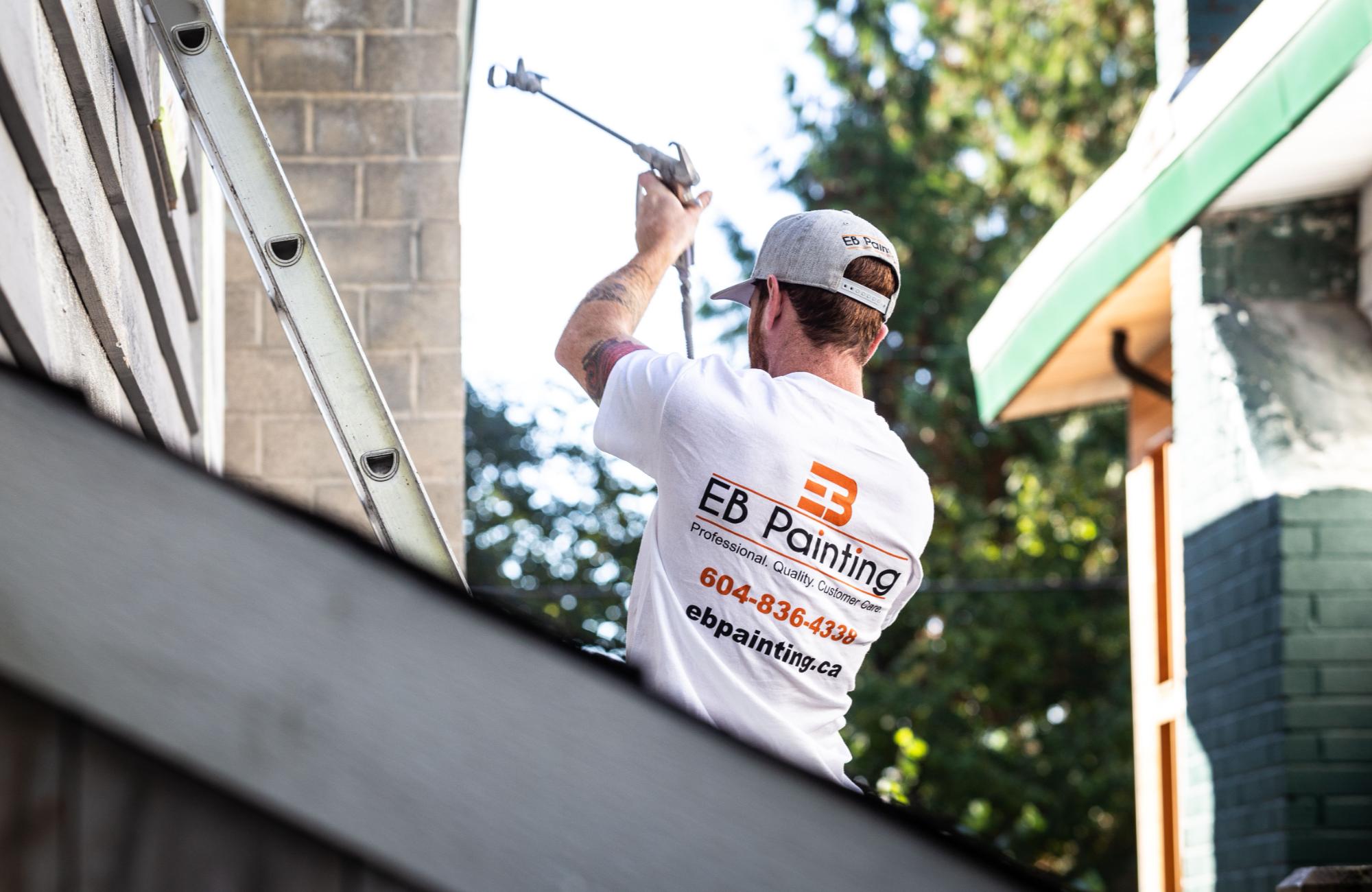
Fresh paint does more than improve how a home looks. It acts as a shield against weather, moisture, and daily wear that slowly breaks surfaces down. Knowing when to repaint helps protect that investment before small issues turn into expensive repairs.
How Climate Exposure Affects Repaint Timing for Your Home
Weather conditions play a direct role in how long paint holds up. Homes in areas with strong sun, heavy rain, or shifting temperatures tend to need repainting sooner than those in milder climates. Constant exposure wears down protective layers, even when the paint still looks decent from a distance. Wind-driven debris, humidity, and sudden temperature swings can weaken the bond between paint and surface.
Location also affects how often repainting becomes necessary. Homes near water or in high-humidity regions often deal with moisture buildup that seeps into small cracks. Over time, that moisture pushes paint outward, causing bubbling or peeling. Paying attention to local weather patterns helps homeowners plan repaint schedules before damage spreads.

What Exterior Materials Say About Repaint Schedules
Different materials respond to paint in different ways. Wood siding tends to absorb moisture and expand, which puts stress on the paint layer. This usually means wood needs repainting more often to stay protected. Brick and fiber cement, on the other hand, hold paint longer because they are more stable and less reactive to weather changes.
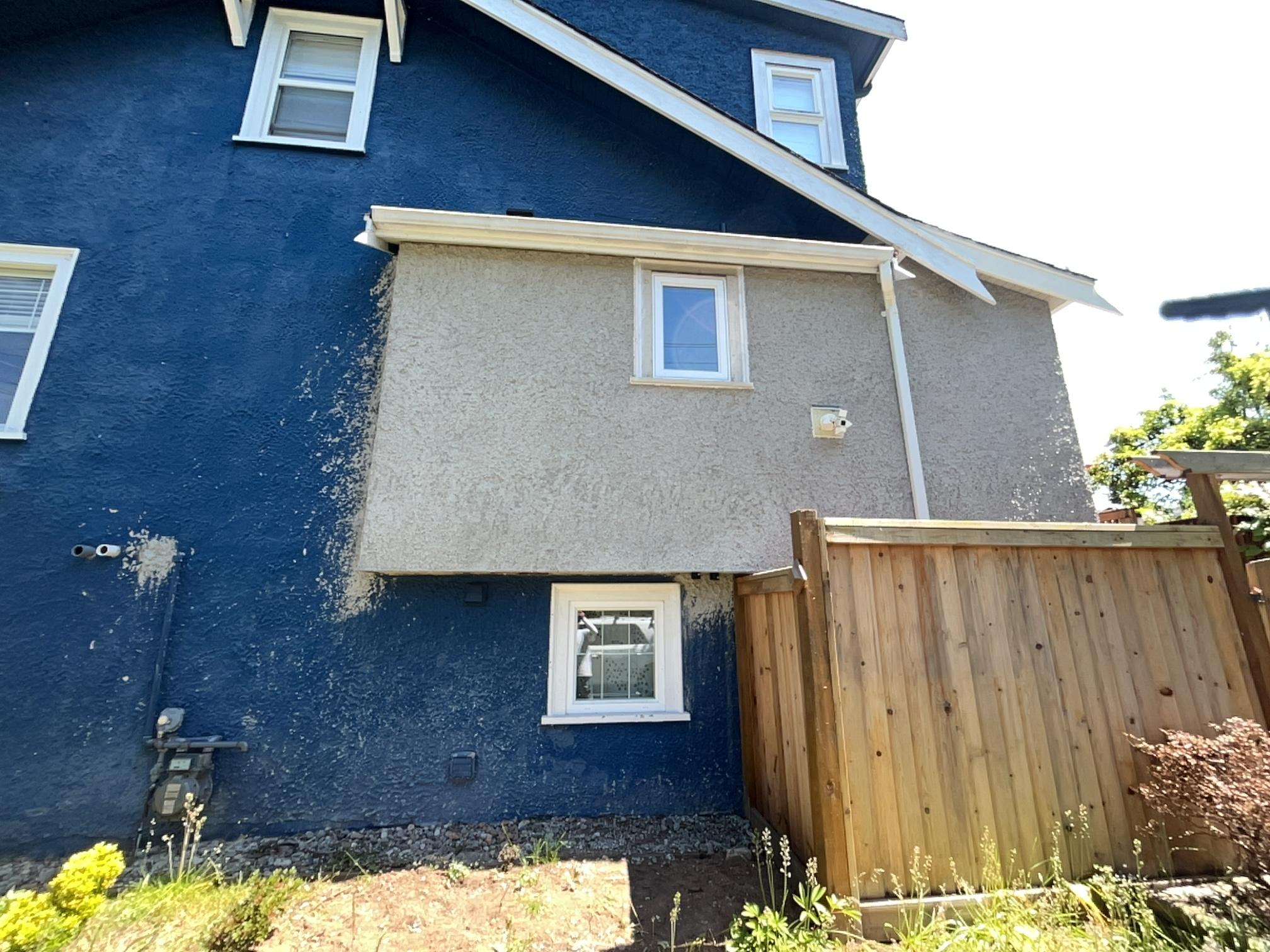
Surface texture also matters more than most people realize. Rough materials like stucco can trap dirt and moisture, which slowly wears down paint from the inside out. Smooth surfaces may look better longer, but they still need regular checks. Understanding how each material behaves helps homeowners avoid guessing when it is time to repaint.
Why Sunlight and Moisture Shorten Paint Lifespan
Sunlight breaks down paint faster than many expect. Constant UV exposure fades color and weakens the outer layer, especially on sides of the home that face direct sun all day. Over time, this leads to chalking, where the surface becomes powdery and loses its ability to protect what is underneath.
Moisture works differently but causes just as much damage. Water seeps into small cracks and expands when temperatures change, pushing paint away from the surface. Areas around windows, doors, and trim often show this first. When sunlight and moisture combine, they accelerate wear and shorten the time between repaints.
The Role of Prep Work in Extending Paint Durability
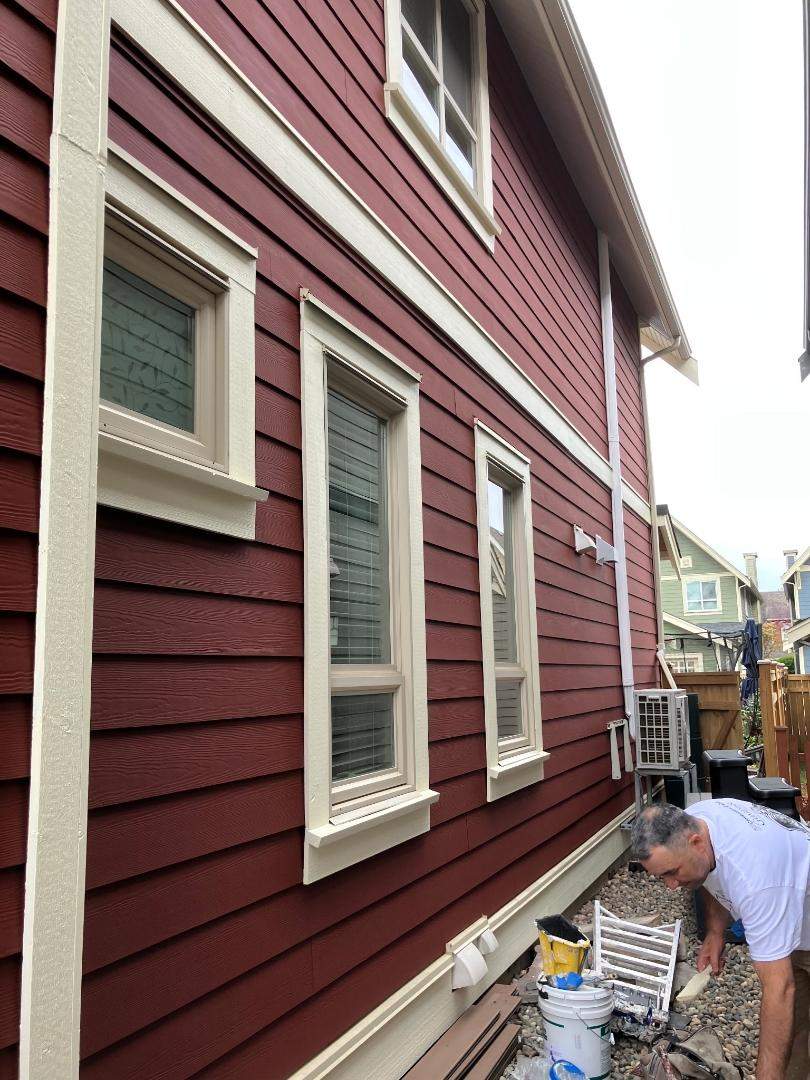
Good prep work makes a bigger difference than the paint itself. Cleaning the surface removes dirt and residue that prevent proper adhesion. Sanding and repairing damaged areas create a smooth base that allows the new coat to bond evenly. Skipping these steps often leads to early peeling, even if high-quality paint is used.
Proper priming also extends how long paint lasts. Primer seals the surface and helps the topcoat stick better, especially on bare or repaired areas. Homes that receive thorough prep work tend to hold paint longer and show fewer signs of wear. Taking time to prepare correctly reduces how often repainting becomes necessary.
Signs Your Home Has Outlasted Its Current Paint Layer
Visible damage is not the only sign that paint has failed. Fading, dull color, and a rough texture can all indicate that the protective layer is weakening. Even if the surface still looks intact, these subtle changes suggest that the paint is no longer doing its job.
Peeling and cracking are more obvious signals that repainting cannot wait. Once paint begins to separate from the surface, moisture can reach the material underneath. This can lead to wood rot or other structural issues if left unchecked. Regular inspections help catch these signs early and prevent larger problems.
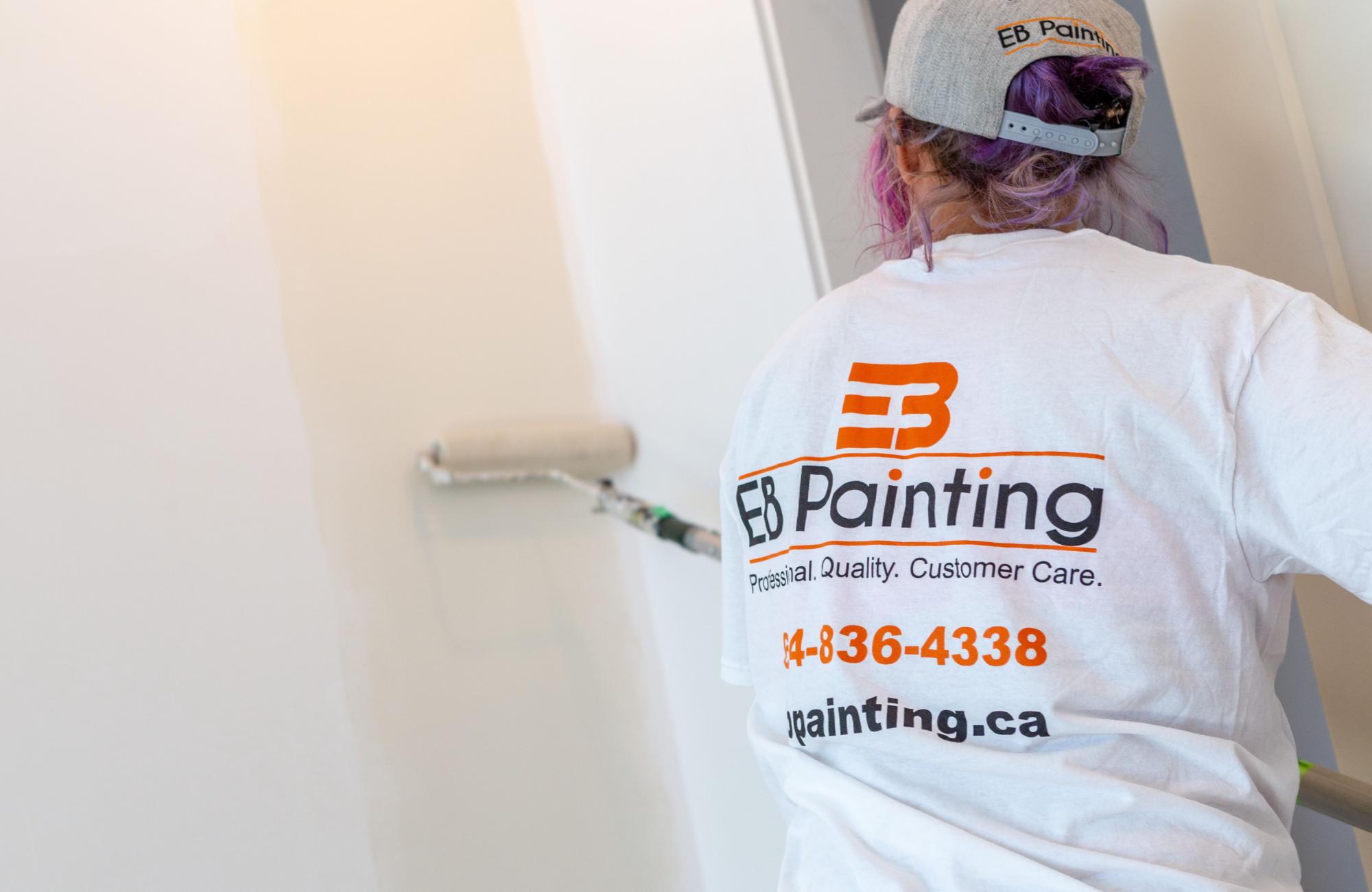
How Interior Use Patterns Impact Repaint Frequency
Interior spaces wear differently depending on how they are used. High-traffic areas like hallways, kitchens, and living rooms tend to show scuffs and marks faster than bedrooms or less-used spaces. Frequent cleaning can also wear down paint over time, especially on walls that see daily contact.
Rooms with higher humidity, such as bathrooms and kitchens, may need repainting sooner. Moisture and heat affect how well paint holds up, even indoors. Choosing durable finishes helps, but regular use still takes its toll. Understanding how each space is used makes it easier to plan repainting without waiting for visible damage.
Understanding When Protective Coatings Begin to Fail
Paint does more than add color; it protects surfaces from damage. Over time, that protective layer weakens, even if the surface still looks fine. Small cracks, fading, and loss of sheen all point to a coating that is no longer performing as it should.
Waiting too long to repaint can lead to deeper issues. Once the protective layer fails, the material underneath becomes exposed to moisture and temperature changes. This can lead to repairs that go beyond repainting. Recognizing early signs of failure helps homeowners act before damage spreads.
The Impact of Seasonal Changes on Paint Performance
Seasonal shifts put stress on painted surfaces. Heat causes expansion, while cold temperatures lead to contraction. This constant movement can create small cracks that grow over time. Areas with large seasonal swings tend to see faster paint wear as a result.
Timing repaint projects around the right season also affects results. Mild temperatures and low humidity allow paint to cure properly, creating a stronger bond. Painting during extreme conditions can shorten how long the finish lasts. Planning around seasonal changes helps improve durability and overall performance.

Protect Your Home the Right Way with EB Painting’s Expert Care and Long-Lasting Results
A well-timed paint job does more than refresh your home—it protects it from the elements and keeps small problems from turning into major repairs. Waiting too long can lead to peeling, moisture damage, and surfaces that cost more to fix than repaint. That is why working with a team that understands timing, materials, and proper prep work makes a real difference in how long your paint lasts.
EB Painting brings experience, attention to detail, and a focus on long-term results to every project. Our team handles everything from surface prep to final coats with care, helping homeowners get the most out of every paint job. Contact us today to schedule your next project and keep your home protected, looking sharp, and built to last.