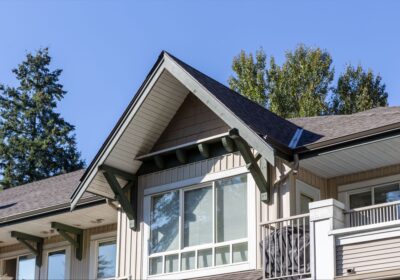
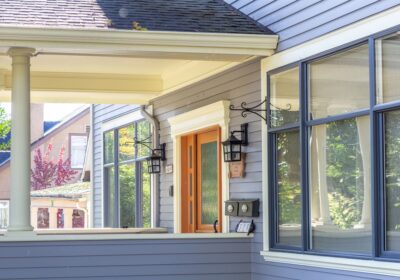
Stucco has character, but it doesn’t always age gracefully. Cracks appear, colors fade, and maintenance starts to feel endless. Many homeowners now look for a cleaner, smoother finish that holds up better over time. Converting stucco to a vinyl-style coating offers a fresh exterior look without tearing everything down.
Why Homeowners Switch from Stucco to Vinyl
Stucco works well in certain climates, but it demands attention. Hairline cracks form as buildings settle. Moisture seeps into porous surfaces and leads to staining or mildew. Repairs can feel constant, especially on older homes. Many homeowners switch because they want a lower-maintenance exterior that still looks sharp year after year.
A vinyl-style coating offers flexibility that traditional stucco lacks. It expands and contracts with temperature changes, reducing visible cracking. Homeowners also appreciate the smoother finish and modern appearance. Instead of patching sections repeatedly, they invest in a long-term upgrade that protects and refreshes the home’s exterior at the same time.
Difference Between Stucco and Vinyl Finishes
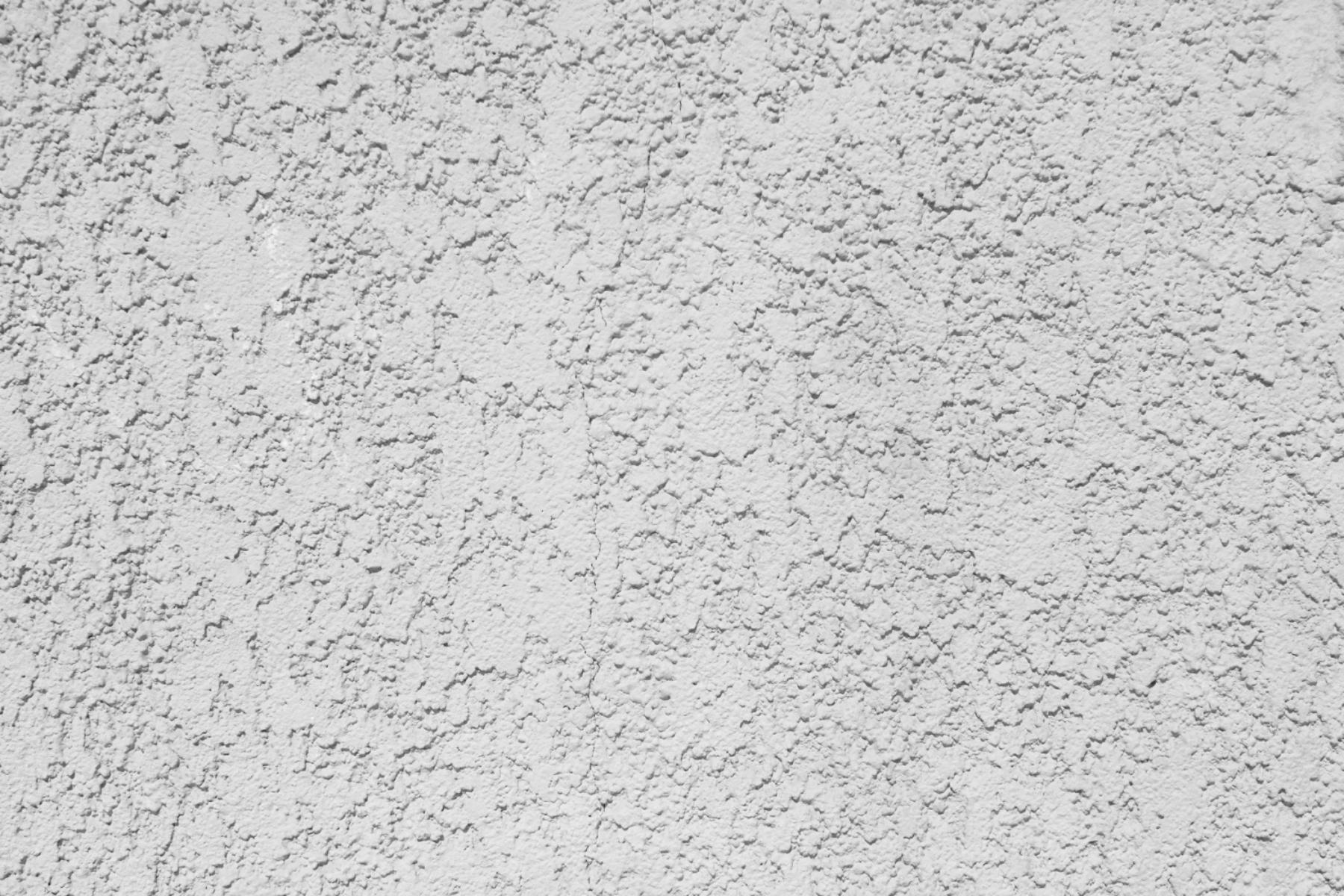
Stucco creates a textured, cement-based surface. It feels solid and slightly rough to the touch. Its look often leans traditional, with visible patterns from trowels or spray applications. While it adds depth, that texture also traps dirt and moisture more easily than smoother materials.
Vinyl finishes, on the other hand, focus on flexibility and uniformity. They provide a sleek surface that resists cracking and shedding. The coating bonds tightly and moves with the building. Instead of heavy texture, you get a consistent appearance that feels modern and easier to maintain. That difference in structure changes how the home performs over time.
Understanding Adhesion Over Textured Stucco Walls
Applying a vinyl coating over textured walls requires careful preparation. Stucco surfaces contain peaks and valleys that can prevent even bonding. Contractors must assess the existing texture and repair loose or damaged areas before applying any new material.
Proper adhesion depends on cleaning, priming, and smoothing. Dust, chalking, and old paint reduce bonding strength. Professionals often use bonding agents designed specifically for masonry surfaces. Without this step, the new coating may peel or bubble. Strong adhesion ensures durability and long-term performance.
The Role of Moisture Control Before Coating
Moisture management plays a critical role in this conversion. Stucco absorbs water, especially if cracks or gaps exist. Before applying any vinyl coating, contractors must inspect for trapped moisture inside the wall system. Ignoring this step can lead to blistering or hidden damage later.
Professionals use moisture meters and visual inspections to identify trouble spots. They seal cracks, repair flashing, and ensure drainage systems function properly. Once the surface dries completely, the new coating can bond effectively. This attention to moisture control prevents future structural issues and protects the investment.

What It Means to Convert Stucco to a Vinyl Finish
Converting stucco does not always mean removing it entirely. In many cases, contractors apply a specialized vinyl coating directly over the prepared surface. This process transforms the look while preserving the structural base underneath. It saves time compared to full removal and replacement.
The conversion changes both appearance and performance. The new surface resists cracking and fading more effectively than traditional stucco. It also simplifies cleaning and upkeep. Homeowners gain a refreshed exterior without the disruption of a complete tear-off.
How Stucco Surfaces Are Prepped for Vinyl Coating
Preparation starts with thorough cleaning. Contractors pressure wash the surface to remove dirt, mildew, and loose particles. They patch cracks and fill imperfections to create a stable base. Any damaged sections receive repair before the coating process begins.
Next comes smoothing and priming. Professionals may skim coat areas to reduce heavy texture and ensure even application. A high-quality primer strengthens the bond between stucco and vinyl coating. This step prevents peeling and ensures the final finish looks seamless and consistent.
Methods Used to Create a Smooth Vinyl Appearance
Achieving a smooth finish requires controlled application techniques. Contractors use sprayers or rollers designed for exterior coatings. They apply multiple thin layers rather than one thick coat. This method prevents sagging and creates uniform coverage across textured areas.
Timing and weather conditions also matter. Proper curing ensures the coating sets evenly and develops full strength. Skilled application reduces visible lines and imperfections. The result is a clean, updated exterior that looks intentional and professionally finished.
Elevate Your Home’s Exterior with EB Painting and Experience a Durable Vinyl Transformation That Lasts
Upgrading your home’s exterior should feel exciting, not stressful. EB Painting brings experience, precision, and careful preparation to every stucco-to-vinyl project. Our team evaluates surfaces thoroughly, addresses moisture concerns, and applies coatings that stand up to changing weather conditions. We focus on delivering results that improve both curb appeal and long-term durability.
Your home deserves a finish that looks sharp and performs well for years. EB Painting handles each step with attention to detail and professional craftsmanship. If you’re ready to refresh your exterior and protect your investment, contact us today and let EB Painting transform your stucco into a smooth, modern finish built to last.
Frequently Asked Questions:
1. Can EB Painting Apply Vinyl Coatings over Existing Stucco?
Yes. EB Painting specializes in converting textured stucco surfaces into smooth vinyl-style finishes. The process includes cleaning, repairing cracks, sealing moisture-prone areas, priming, and applying high-performance coatings for long-lasting results.
2. How Long Does a Stucco-to-vinyl Transformation Take?
Project timelines depend on the size of the property and the condition of the existing surface. Smaller homes may take several days, while larger or heavily damaged exteriors may require more time. EB Painting provides a clear schedule after evaluating the property.
3. Does EB Painting Handle Surface Repairs Before Painting?
Absolutely. Proper preparation is a key part of the service. EB Painting repairs cracks, patches damaged stucco, and addresses moisture concerns before applying any coating. This ensures strong adhesion and a smooth, professional finish.
4. Why choose EB Painting for Exterior Upgrades?
EB Painting focuses on craftsmanship, durability, and attention to detail. The team uses quality materials and proven application methods to deliver clean, even finishes that hold up against weather and wear. Clients trust EB Painting for reliable service and lasting results.