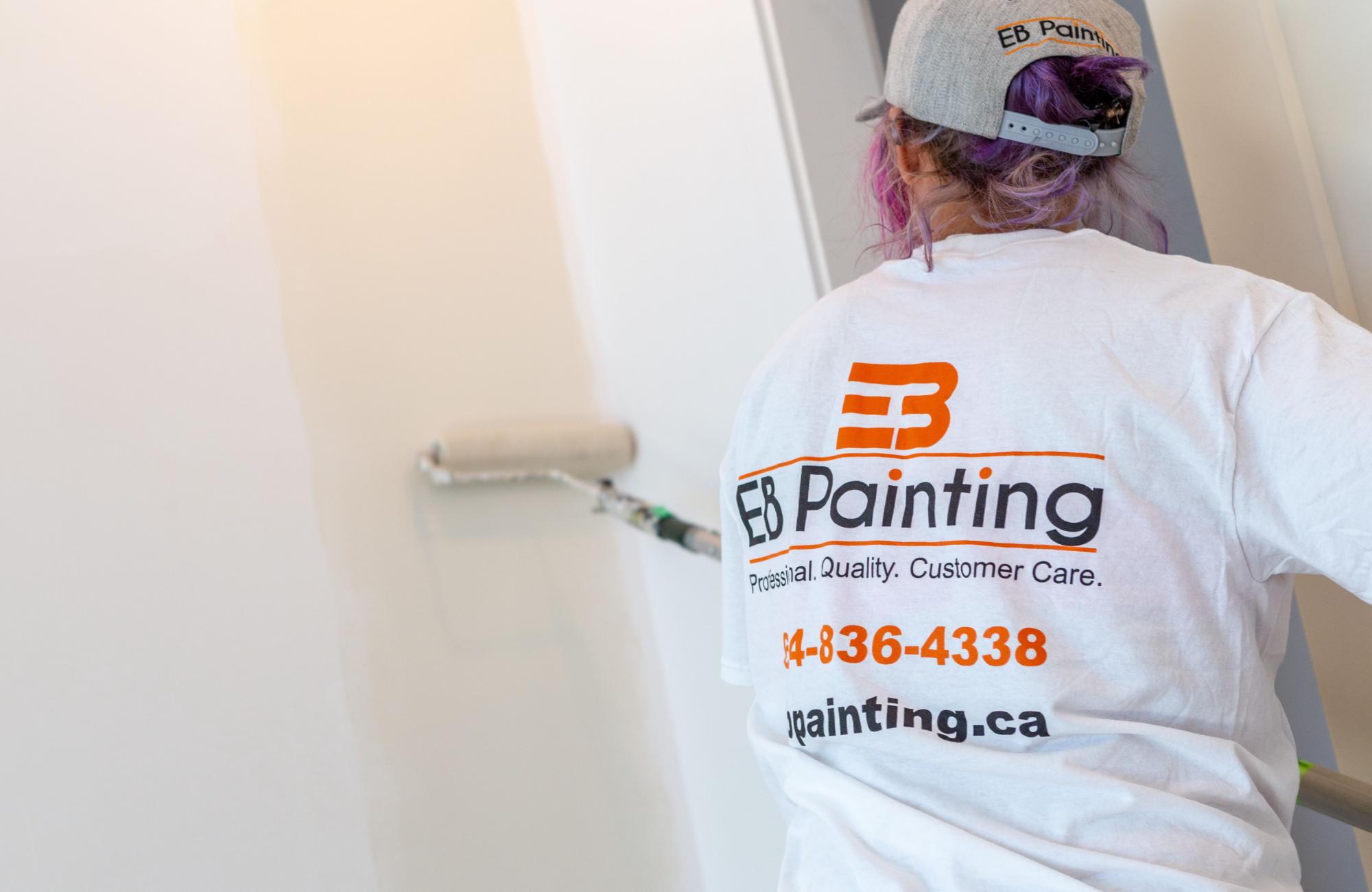
Fresh paint can completely change how a home feels. Clean lines, smooth color transitions, and crisp trim make rooms look brighter and more cared for. Preparing your space before the crew arrives helps the job move faster and protects your belongings from dust, drips, and accidental bumps.
Move Small Furniture Away from Walls and Corners
Start by pulling chairs, side tables, lamps, and lightweight shelves away from the walls. Even a few feet of space gives painters room to move ladders and reach corners without squeezing past obstacles. This simple step reduces the risk of scuffed furniture and makes it easier for painters to focus on clean edges instead of working around clutter.
Larger pieces that cannot leave the room should sit in the center, grouped tightly together. This creates a clear perimeter along the walls. Clearing these areas helps the crew maintain steady movement and keeps paint lines straight. A room that feels open also speeds up the setup and cleanup process.
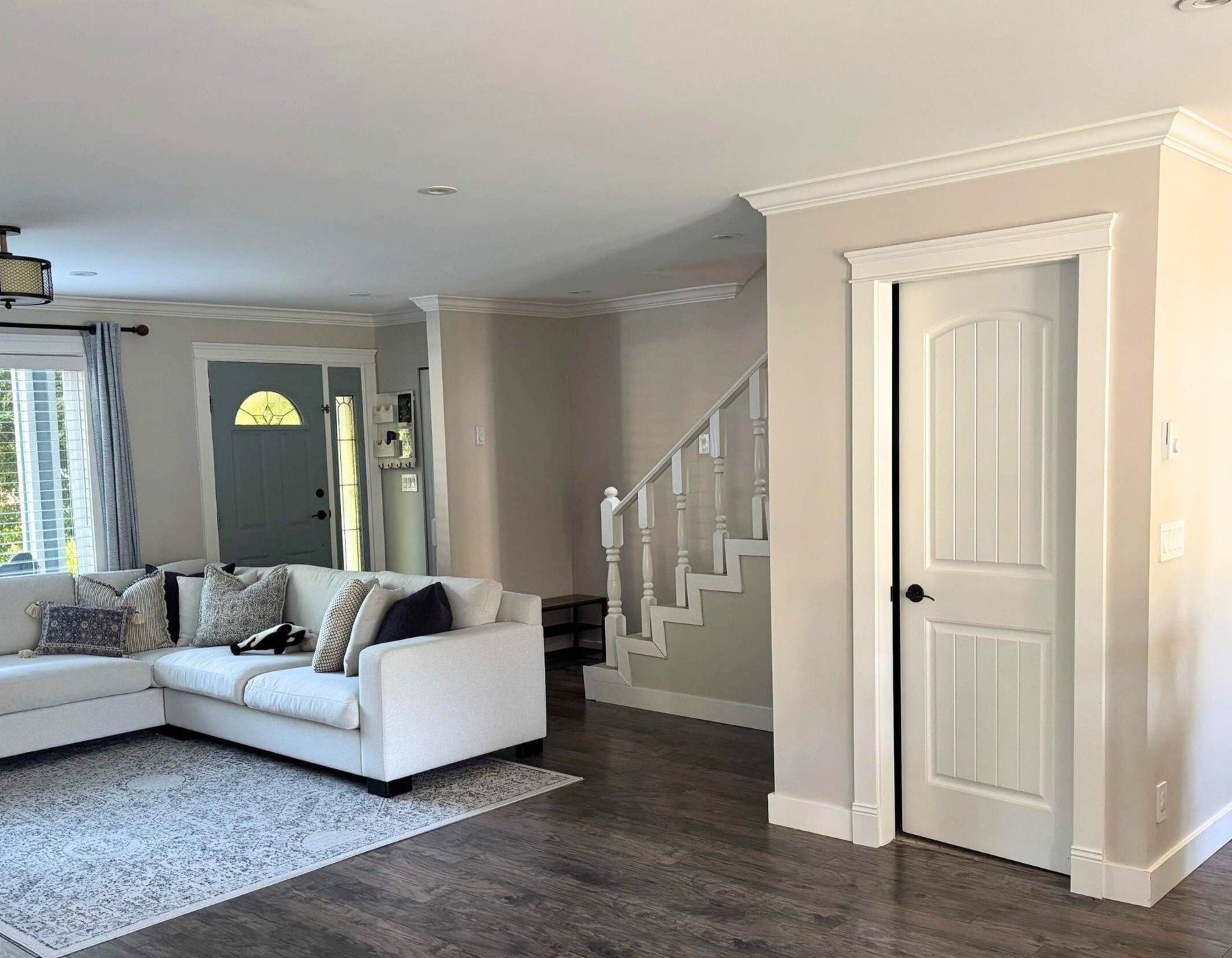
Take down Art, Mirrors, and Wall Shelves
Wall décor can interfere with smooth coverage. Remove framed photos, artwork, mirrors, and decorative shelves before the painting day begins. Even small nail holes will need attention, so clearing the wall allows painters to patch and sand without obstruction.
Taking these items down also protects them from dust and vibration. Paint prep often involves scraping, sanding, or light repairs, which can shake walls more than expected. Storing wall décor safely in another room prevents damage and allows the team to work without interruption.
Cover Floors with Drop Cloths or Old Sheets
Professional painters usually bring their own drop cloths, but adding extra protection never hurts. Cover hardwood, tile, or carpet with old sheets or canvas cloths to guard against splatters. Tape down the edges so no one trips while walking through the space. Exterior projects require similar attention. Protect patios, driveways, and landscaping with sturdy coverings. Even careful crews can track debris during prep work. Taking these steps shows respect for your home and helps the painting process stay tidy from start to finish.
Trim Back Plants near Exterior Walls
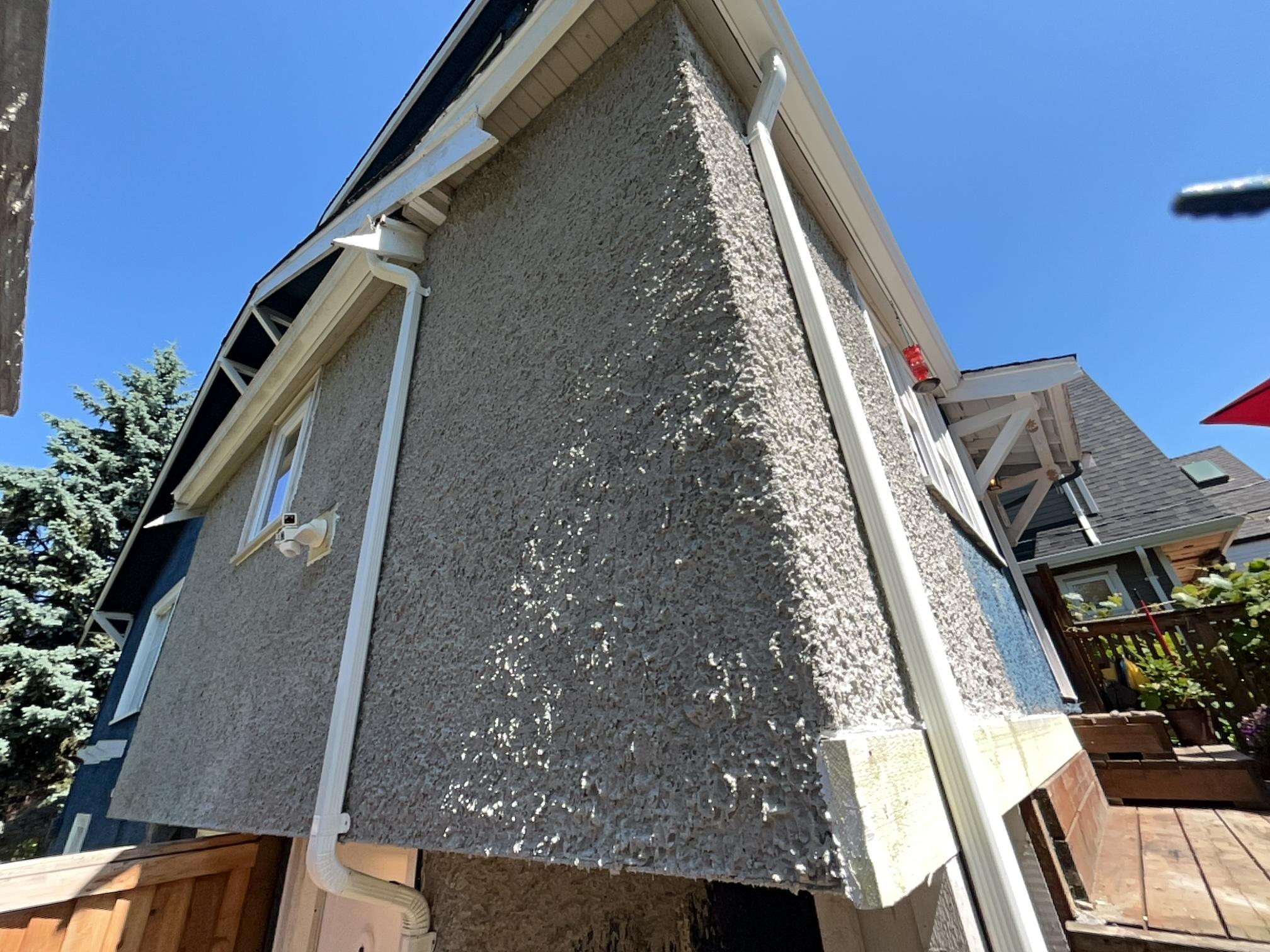
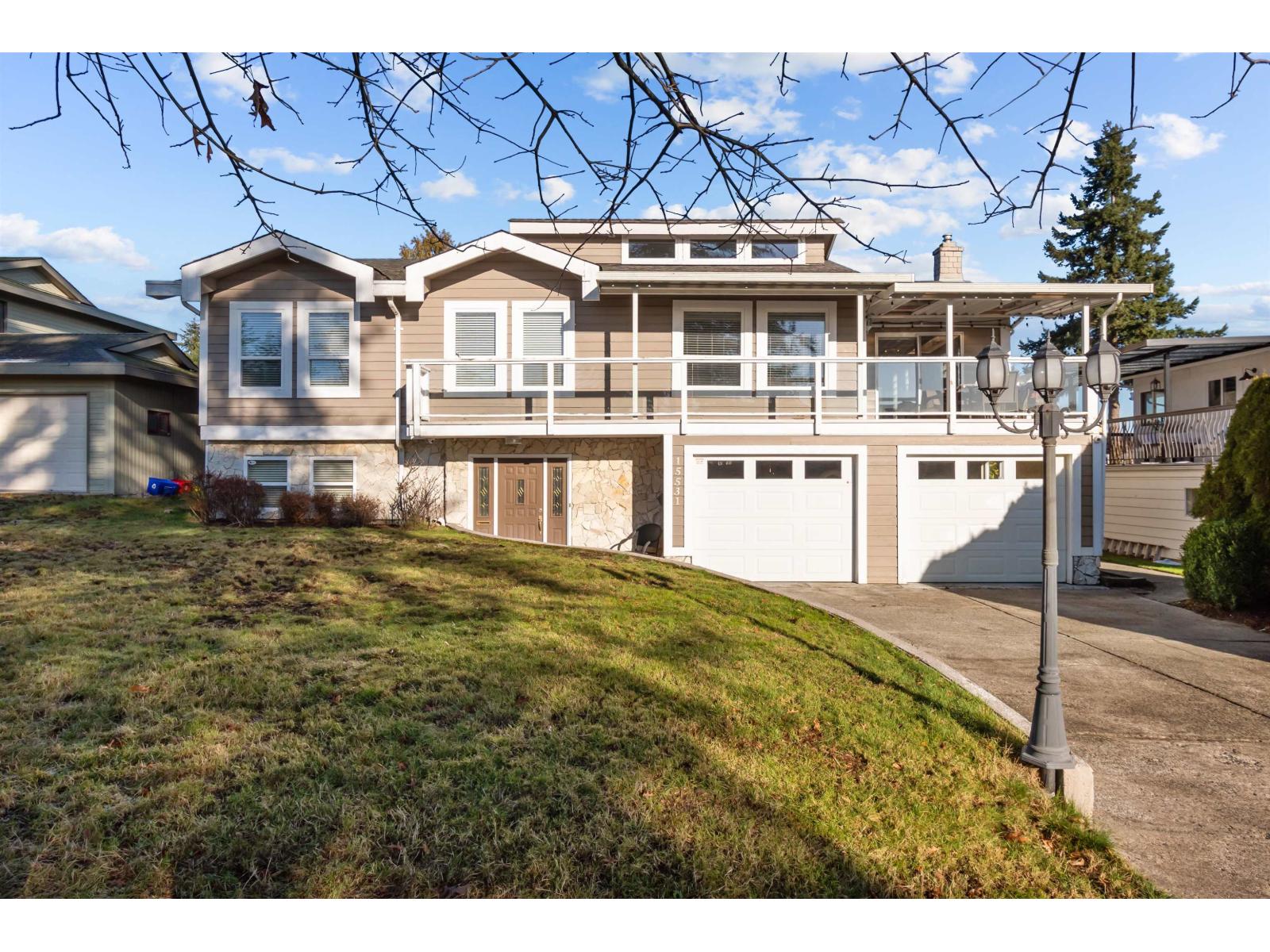
Exterior painting often requires ladders and long strokes along siding. Overgrown shrubs or tree branches can block access and slow progress. Trim back plants that touch the house so painters can reach every surface safely.
Cutting back greenery also prevents leaves from brushing against fresh paint. Wet paint can pick up debris easily. Clearing the area gives painters room to work and protects your landscaping from accidental splashes.

Clear Countertops and Remove Fragile Items
Kitchen and bathroom projects demand extra preparation. Remove small appliances, glass containers, and decorative items from countertops. Clearing these surfaces makes it easier to tape edges and prevents items from collecting dust during sanding.
Fragile décor should move to a safe space away from traffic. Painting crews carry tools, buckets, and extension poles through tight areas. Keeping breakable pieces out of the way protects them from accidental contact and allows work to continue smoothly.
Remove Outlet Covers and Switch Plates
Unscrewing outlet covers and switch plates may seem minor, but it makes a visible difference in the final result. Paint lines look cleaner when the plates are removed instead of painted around. Place screws in small labeled bags so they do not get lost. Removing these pieces also allows painters to fill tiny gaps around electrical boxes. Clean edges around outlets create a more professional finish. Taking a few minutes to remove them before the crew arrives saves time on painting day.
Secure Pets in a Safe Quiet Room
Pets can become stressed by unfamiliar people, loud equipment, and new smells. Keep them in a closed room away from the work area or arrange for them to stay elsewhere during the project. This protects both the animals and the painters.
Open doors and ladders create hazards for curious pets. Containing them in a calm space reduces the chance of accidents. A quiet environment helps painters concentrate and keeps your pets comfortable.

Make Space for Ladders and Paint Supplies
Painters rely on steady footing and clear paths. Remove obstacles from hallways and entryways so equipment can move in easily. Clear driveways or garage areas if exterior work requires staging materials outside.
Creating this space reduces setup time and improves safety. Ladders need stable placement, and paint cans require level surfaces. An open, organized area allows the crew to work efficiently and focus on delivering sharp, even coverage.
Bring Out the Best in Your Home with EB Painting’s Professional Touch and Lasting Results
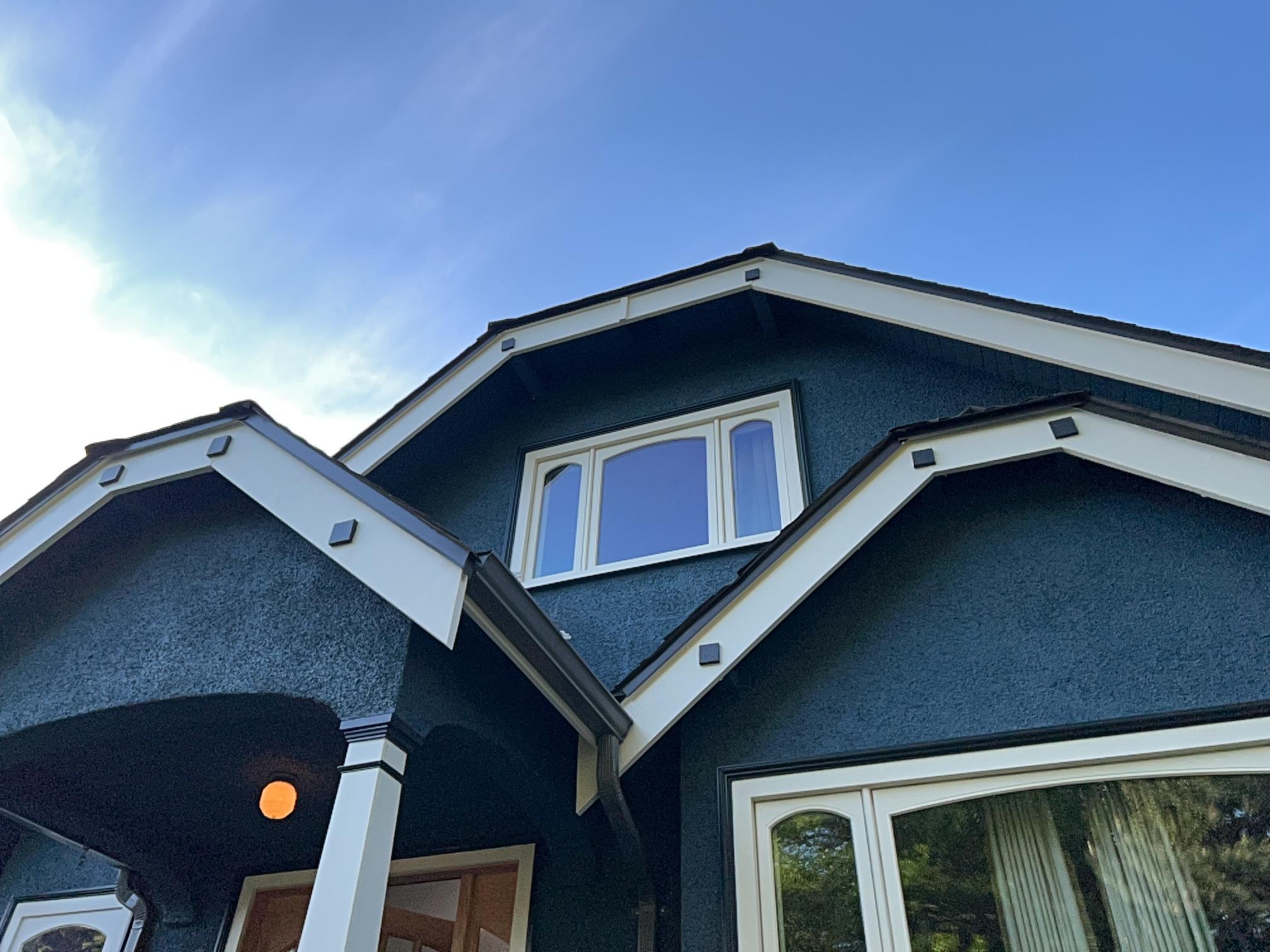
Preparation sets the stage for a smooth painting project, but expert craftsmanship makes the real difference. EB Painting approaches each home with attention to detail and respect for every surface. Our team handles prep, protection, and precise application to ensure clean lines and consistent color throughout.
A refreshed interior or exterior can transform how a home feels every day. EB Painting works with homeowners to create polished spaces that reflect care and quality. Take the next step toward a brighter, cleaner look by partnering with a crew that values both preparation and performance. Contact us.
FAQs:
1. How Long Does a Typical Painting Project Take?
Project timelines depend on the size of the space and the condition of the surfaces. Most interior rooms can be completed within a few days, while larger exterior projects may take longer due to prep work and drying time. EB Painting provides a clear schedule before work begins so homeowners know what to expect.
2. Do I Need to Leave My Home While Painting Is in Progress?
In most cases, homeowners can remain in the house during interior painting. The crew works in sections to limit disruption and keeps work areas contained. EB Painting also uses proper ventilation methods to maintain air quality throughout the project.
3. What Kind of Paint Does EB Painting Use?
The team selects high-quality paints that provide strong coverage, smooth finishes, and long-term durability. Paint choices depend on the surface type and whether the project is indoors or outdoors. EB Painting discusses options with homeowners to match both style and performance needs.
4. How Should I Prepare My Home Before the Painters Arrive?
Homeowners should move small furniture, remove wall décor, and clear work areas before the scheduled start date. Taking down outlet covers and protecting fragile items also helps the process move efficiently. EB Painting offers guidance ahead of time so preparation feels simple and manageable.
5. Does EB Painting Offer Warranties on Their Work?
Quality workmanship stands behind every completed project. EB Painting provides a three-year warranty on residential interior and exterior projects, specifically tailored to handle Vancouver’s climate challenges. Additionally, a five-year warranty covers labor and materials for commercial exterior projects.