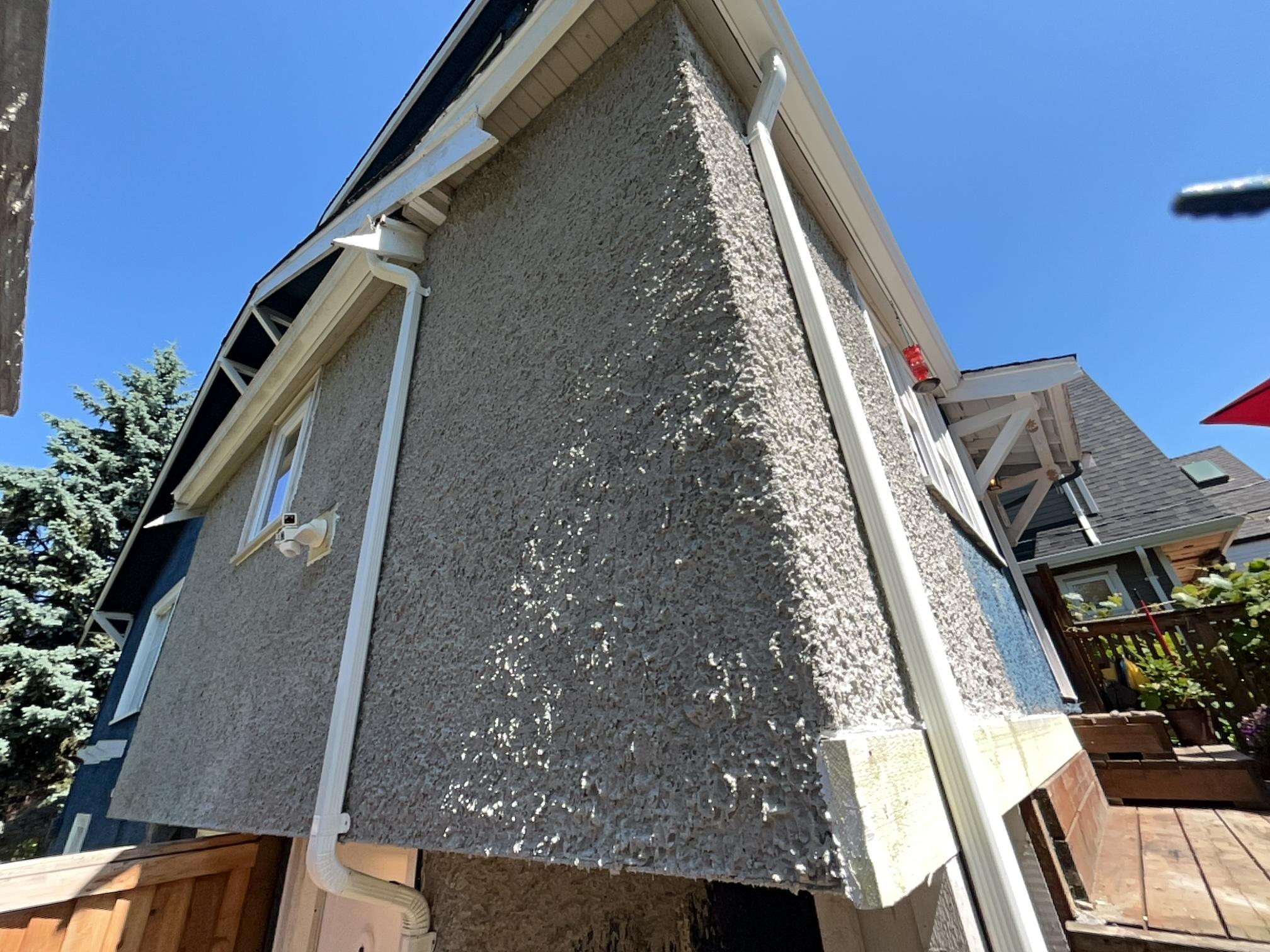
You notice the green streaks a few days before the painters are due. Or maybe black patches have been hiding under the eaves all winter. Either way, it does not mean the repaint has to be cancelled. What matters is dealing with the buildup properly before a new coat goes on, then giving the surface enough time to dry. Rushing past that step can turn a fresh exterior into a short-lived fix.
Green or Black Stains Should Be Cleaned Before Any Repaint
Green or black marks are more than a cosmetic issue. They can be a mix of organic growth, dirt, pollen, and moisture-related buildup, especially on walls that get little sun. Covering those stains with fresh paint may hide them for a while, but it does nothing to create the clean surface a coating needs to bond well. Prep starts with figuring out what is actually stuck to the wall.
Cleaning also gives you a clearer look at the condition underneath. Once the grime is gone, you may find chalking, cracked caulk, loose paint, or small areas of damaged material that were hard to see before. Those problems are much easier to deal with before the first coat. A clean wall is not just about appearance; it helps the whole repaint start on solid ground.
Painting Over Mildew Can Cause Early Peeling and Poor Adhesion
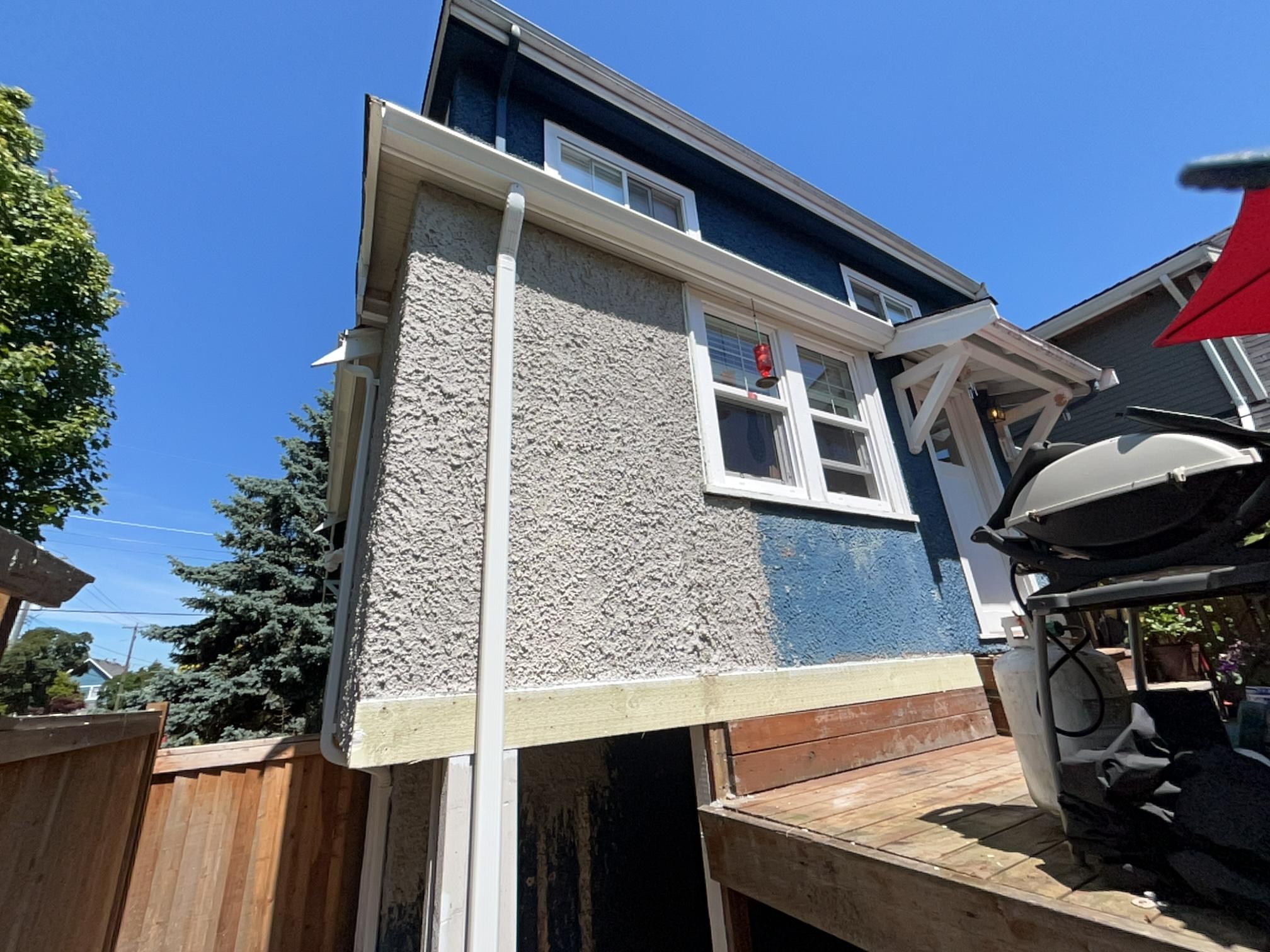
Paint sticks best to a sound, dry, clean surface. If mildew, residue, or loose contamination sits between the wall and the new coating, adhesion can suffer. The finish may look fine at first, then start bubbling, flaking, or peeling in problem spots. That is especially frustrating when the rest of the house still looks newly painted.
Simply adding primer does not make dirty growth disappear. Primer has a job, but it is not a substitute for washing and surface repair. The affected area needs to be cleaned with a method suited to the material, rinsed when required, and allowed to dry. Only then can the painter judge whether bare areas need primer or the existing finish is ready for another coat.
Algae Often Returns If Moisture Problems Are Left Untreated
Algae tends to show up where moisture hangs around. North-facing walls, sections behind dense shrubs, areas below leaking gutters, and spots that dry slowly after rain can all stay damp longer than the rest of the house. If those conditions remain unchanged, the green film may return even after a careful wash and a good exterior finish.
Before repainting, look for the reason one wall stays wetter than another. Trim vegetation away from the house, clear overflowing gutters, check downspouts, and watch where irrigation lands. You may not be able to eliminate every damp condition, but improving airflow and drainage can slow future buildup. A little detective work now beats scrubbing the same patch every year.
Siding Needs Time to Dry Fully After a Thorough Cleaning
One of the easiest mistakes is washing the exterior and painting too soon afterward. A surface can feel dry to the touch while still holding moisture in seams, joints, textured areas, or porous boards. Trapping that water beneath a fresh coating can interfere with adhesion and may lead to blistering or premature failure later.
Drying time depends on the weather, material, shade, airflow, and how much water was used during cleaning. A sunny vinyl wall may dry much faster than older wood on a shaded side of the house. Experienced painters do not rely on the clock alone. They check the conditions and, when needed, use a moisture meter before coating areas that are slow to dry.
Heavy Staining May Need More Than a Quick Pressure Wash
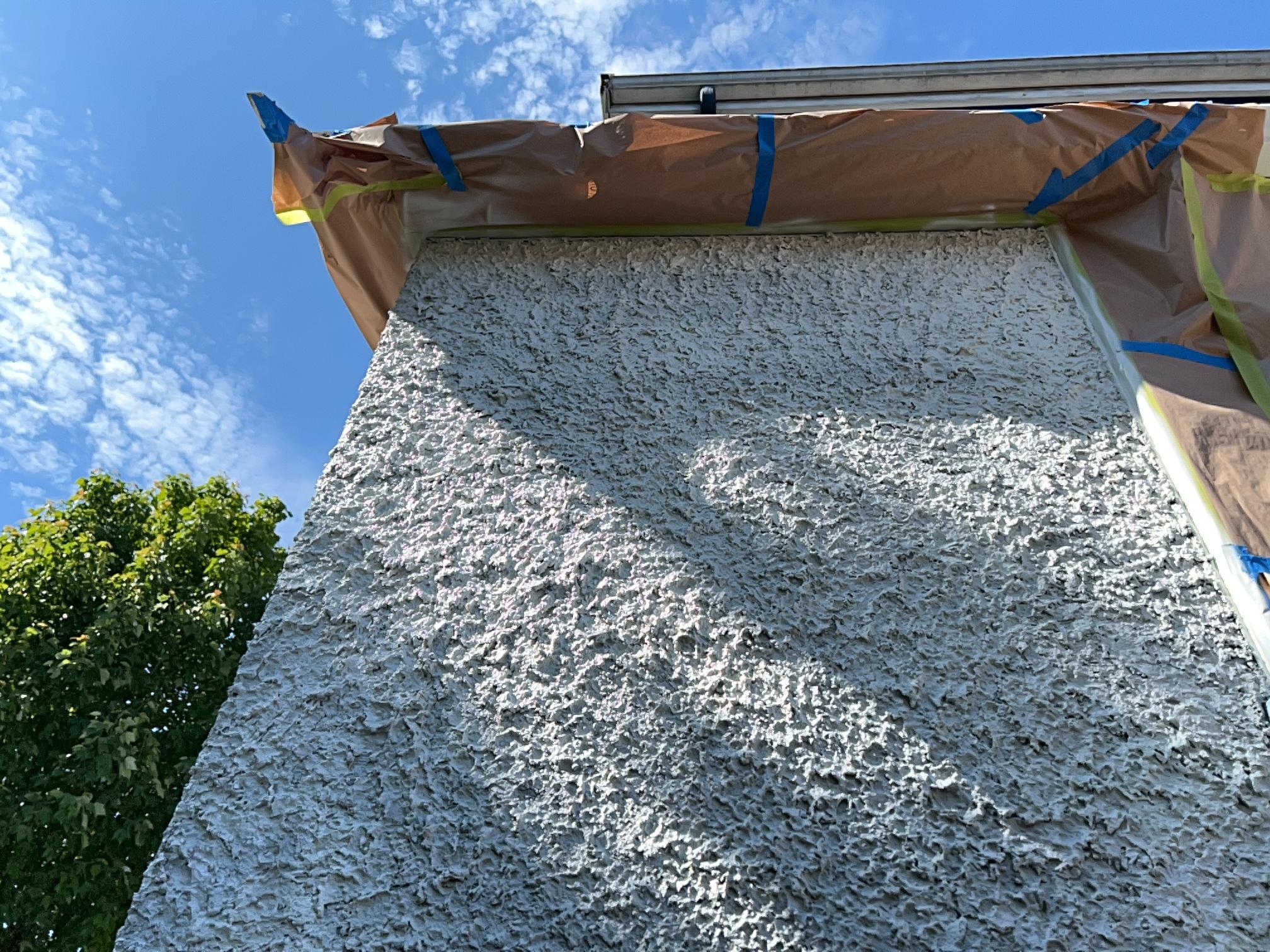
A pressure washer can remove loose dirt fast, but more force is not always better. High pressure can drive water behind laps, scar wood, damage softer materials, or leave visible wand marks. It can also miss the real cause of the staining if the surface needs a cleaning solution and time to work rather than a harder blast of water.
The right approach depends on what is growing there and what the exterior is made from. Vinyl, painted wood, stucco, and fibre cement do not all respond the same way. Stubborn areas may need gentle agitation, a suitable cleaner, careful rinsing, and another pass. You want to remove the contamination without creating a new repair job before the brushes even come out.
Shaded Walls and Damp Areas Usually Need Extra Prep Work
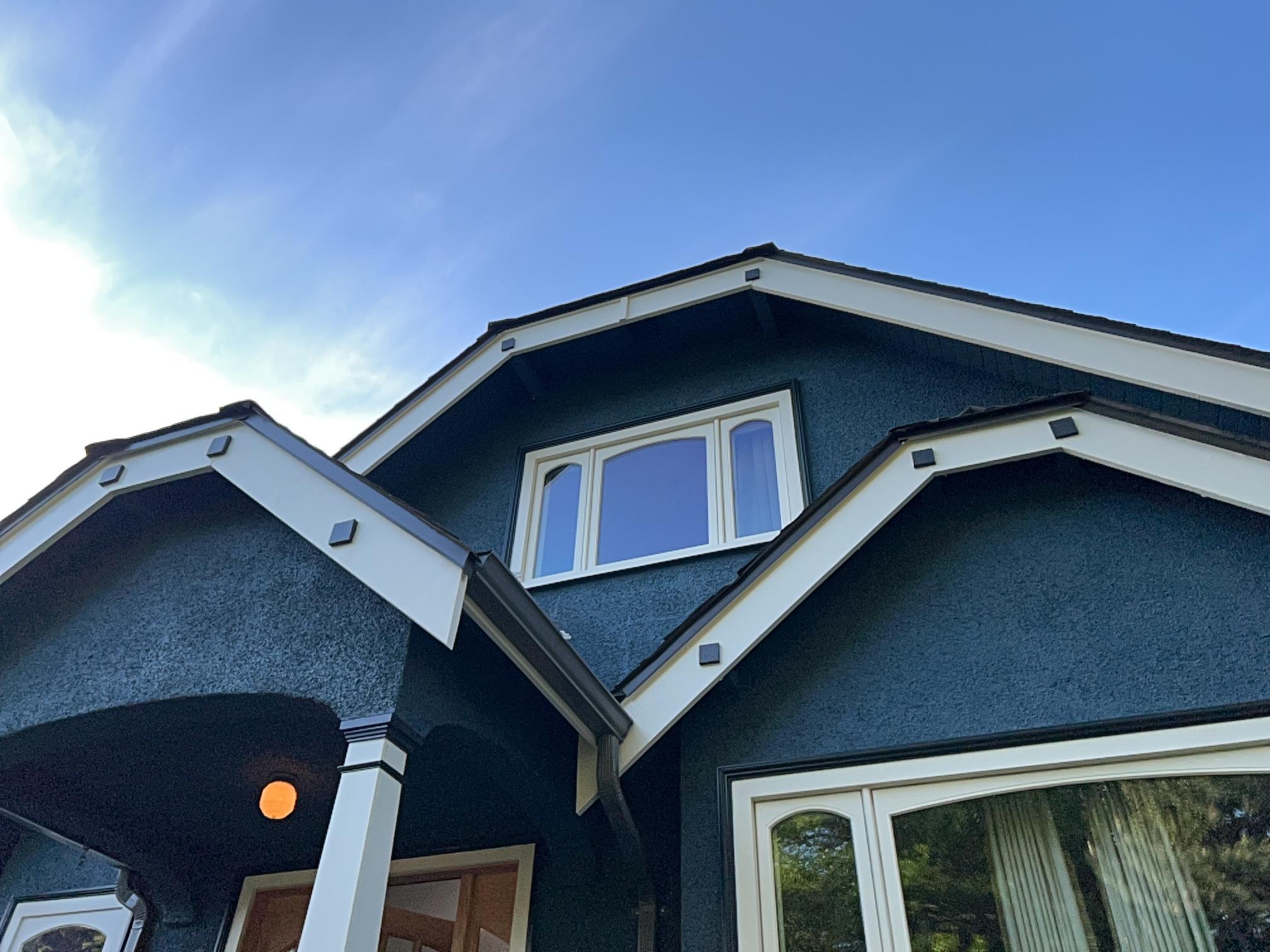
The cleanest side of a home is often the one that gets the most sun. Walls tucked beside trees, fences, neighbouring buildings, or deep roof overhangs can stay cooler and damp much longer. That is why one elevation may look perfectly fine while another develops dark patches near the bottom or green streaks around the trim.
Those shaded sections deserve a slower inspection during prep. Look closely around window sills, joints, vents, hose bibs, and anywhere water regularly splashes or collects. Scraping and caulking may also be needed once everything is clean. Spending extra time there makes sense because these are often the same spots that will test the next paint job first.
It Is Rarely Too Late If the Siding Is Still in Good Shape
Finding stains a week before the scheduled repaint does not automatically mean the project is off. If the underlying material is sound and the weather allows enough drying time, there is usually still room to clean, inspect, repair, and continue. The bigger mistake is pretending the buildup is harmless simply because the schedule is tight.
There are cases where moving the timeline makes more sense. Soft wood, failing boards, widespread peeling, open joints, or signs of water getting behind the exterior deserve attention before cosmetic work begins. Pushing ahead might save a day now and cost far more later. A careful inspection can separate a straightforward cleaning job from a repair that needs to happen first.
Get the Surface Properly Prepared for a Better Repaint With EB Painting
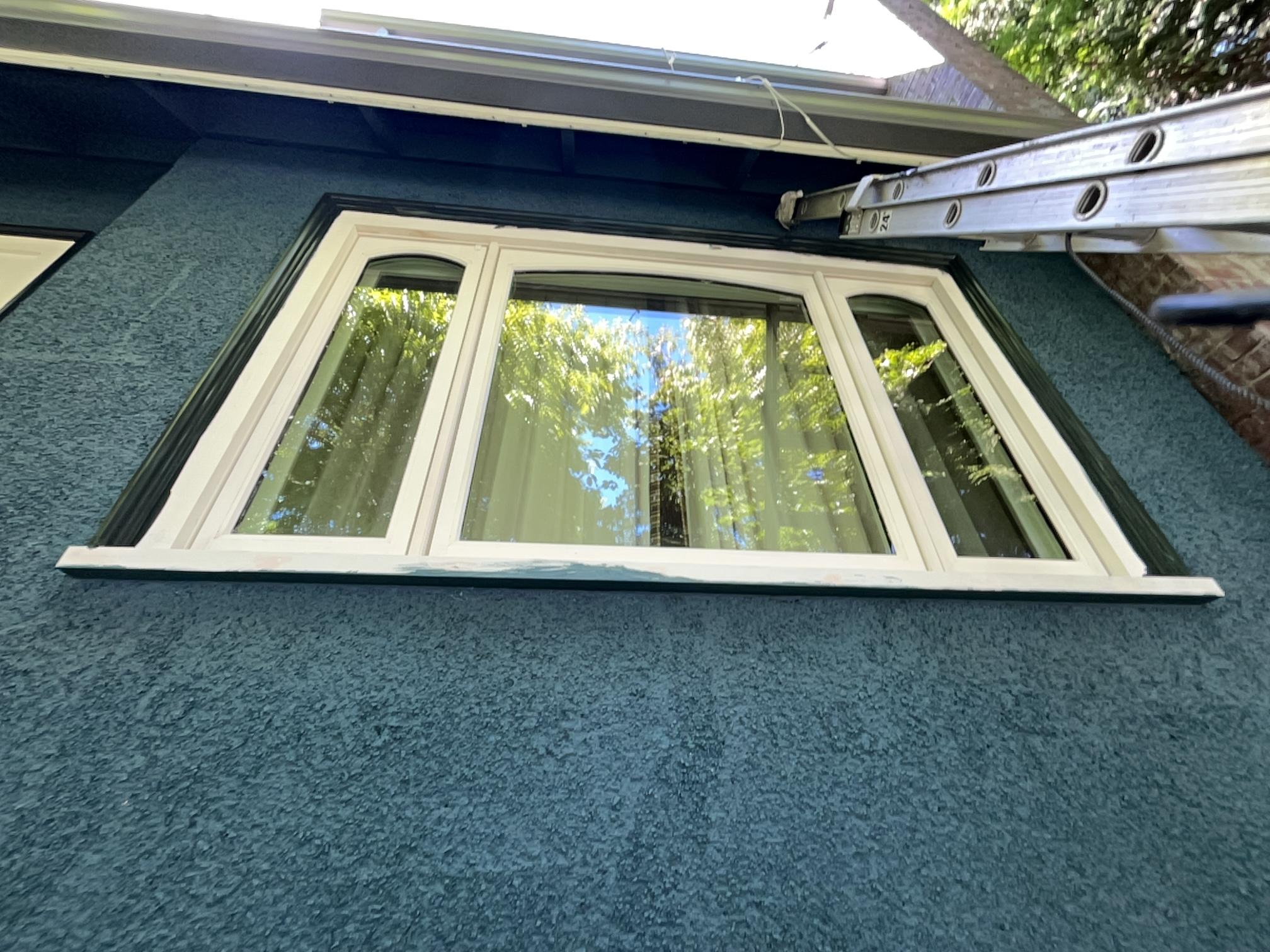
If you are already planning a repaint and just spotted green or black staining, do not assume you have missed your chance to deal with it. Proper preparation can still make a big difference in how the finished exterior looks and how well the coating holds up. Cleaning also gives you a chance to uncover loose paint, failing caulk, and other small problems before they disappear beneath a new colour.
EB Painting helps homeowners get exterior surfaces ready before the first coat goes on. That means looking beyond the visible stain, checking what is happening underneath, and handling the cleaning and prep the house actually needs. A fresh finish should feel like an upgrade, not a cover-up that starts giving you trouble next season. Contact us to talk about your exterior and plan a repaint with the right preparation from the start.