Your home’s exterior does more than create a good first impression. It acts as a shield against sun, rain, wind, and changing temperatures. When that protective layer starts to break down, small warning signs can quickly turn into expensive repairs if they go unnoticed.
Paint Is Peeling Away from Siding or Trim
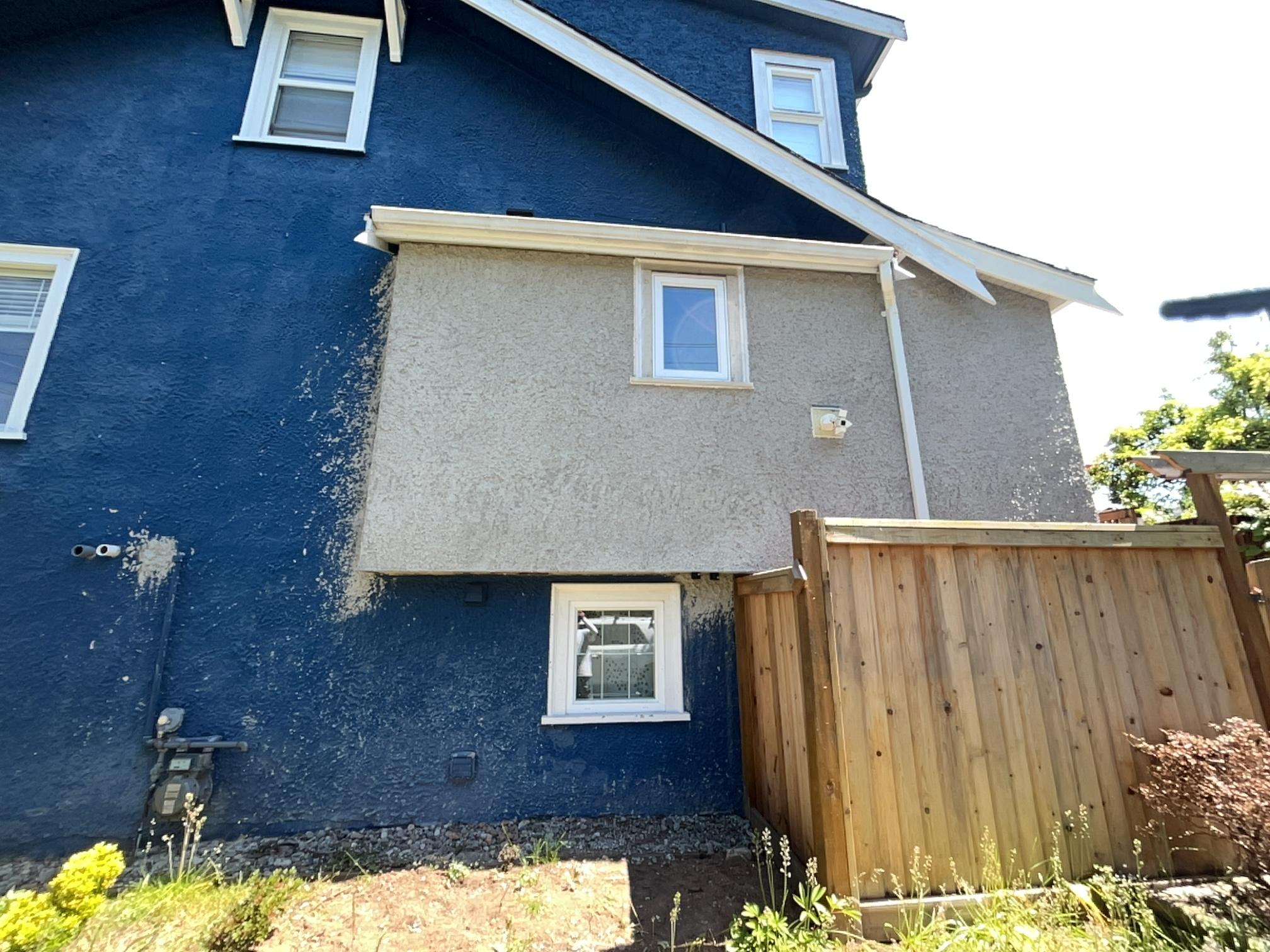
Peeling paint is one of the easiest problems to spot, but many homeowners underestimate what it means. Once the coating begins lifting from siding or trim, moisture can slip underneath and reach the material below. That exposure increases the risk of rot, swelling, and long-term damage that goes far beyond appearance.
Peeling often starts in areas that receive the most sunlight or constant exposure to rain. Window frames, door trim, and lower siding sections usually show signs first because they experience more wear throughout the year. Fixing the issue early helps protect the structure before larger sections begin to fail.
Faded Color Leaves Your Home Looking Tired
Years of direct sunlight slowly strip away the richness of exterior colors. Even high-quality finishes lose their original vibrancy after constant exposure to ultraviolet rays. A once-bold color may gradually become dull, giving the home an older appearance even when everything else remains in good condition.
Fading isn’t always just a cosmetic concern. It often signals that the protective coating has weakened along with the color. Once that barrier becomes less effective, surfaces become more vulnerable to weather damage. A fresh coat restores curb appeal while adding another layer of defense against the elements.
Fine Cracks Spread Across Painted Surfaces
Small cracks may seem harmless at first, but they often signal that the finish has become brittle with age. As temperatures rise and fall throughout the seasons, siding naturally expands and contracts. Older coatings lose flexibility, causing tiny fractures to appear across the surface.
Those narrow openings create pathways for moisture to reach the material underneath. Water can settle into the cracks, leading to additional peeling or deterioration over time. Addressing these early warning signs prevents more extensive repairs and helps preserve the condition of your home’s exterior.
Bubbling Paint Hints at Trapped Moisture
Blisters or bubbles usually appear when moisture becomes trapped beneath the surface. This may happen after heavy rain, poor ventilation, or water intrusion from damaged caulking. Instead of bonding securely, the coating separates from the material below and creates raised pockets.
Popping those bubbles won’t solve the underlying issue. The real problem often lies beneath the surface, where excess moisture continues affecting the structure. Identifying and correcting the source before repainting helps prevent the same problem from returning.
Chalky Residue Rubs Off Onto Your Hand
Run your hand across an older painted surface. If a powdery residue sticks to your fingers, the finish may be breaking down. This condition, known as chalking, happens as weather slowly wears away the outer layer over time.
Light chalking can be a normal part of aging, but excessive residue often means the protective coating has reached the end of its lifespan. Cleaning alone won’t restore its strength. Repainting after proper surface preparation provides better protection and improves the home’s overall appearance.
Exposed Wood Appears Where Paint Has Worn Away
Bare wood should never remain exposed for long. Without a protective coating, it quickly absorbs moisture from rain and humidity. Over time, that moisture can lead to warping, cracking, rot, or insect damage that becomes far more expensive to repair.
Many homeowners first notice exposed areas along corners, trim, railings, or high-traffic entryways. These spots experience more wear than other parts of the home and often require attention sooner. Sealing exposed wood promptly helps preserve its strength and extends the life of the surrounding materials.
Mold Stains Keep Returning Despite Cleaning
Dark stains that continue to reappear after washing often point to a deeper issue than simple dirt. Mold thrives in damp environments, especially on shaded sections that remain wet after rainfall. While cleaning improves appearance temporarily, it won’t eliminate the conditions allowing growth to return.
Repeated staining may also indicate that moisture is becoming trapped against the surface. Proper preparation before repainting includes addressing drainage, ventilation, and any damaged materials contributing to the problem. Solving the source creates longer-lasting results and helps protect your home’s exterior.
Protect Your Home’s Beauty and Value with Professional Residential Painting Services from EB Painting
Your home’s exterior works hard every day, and the condition of its finish plays a major role in protecting everything beneath it. Recognizing early warning signs gives you the opportunity to address small problems before they become costly repairs. Investing in quality workmanship today can help your home stay attractive, durable, and weather-resistant for years to come.
At EB Painting, we provide professional residential painting services designed to restore your home’s appearance while protecting it from the elements. From careful surface preparation to expert application, our team is committed to delivering results that last. Contact us today to schedule your consultation and give your home the fresh, long-lasting finish it deserves.

Frequently Asked Questions:
1. How do I know if my home’s exterior needs repainting instead of a few touch-ups?
If you notice widespread peeling, fading, bubbling, cracking, or exposed wood in multiple areas, a complete repaint is often the better long-term solution. EB Painting can inspect your home’s exterior and recommend the most cost-effective option based on its condition.
2. Can EB Painting repair damaged surfaces before painting?
Yes. Proper preparation is a key part of every project. The team repairs and prepares damaged areas by scraping loose paint, sanding rough surfaces, filling minor imperfections, and addressing issues that could affect the finish before applying new paint.
3. What causes exterior paint to fail sooner than expected?
Several factors can shorten the life of an exterior paint job, including harsh weather, constant sun exposure, poor surface preparation, moisture problems, and using low-quality products. EB Painting uses proven preparation methods and premium materials to help create a durable, long-lasting finish.
4. Will a new exterior paint job help protect my home?
Absolutely. A professionally applied exterior coating does more than improve curb appeal. It helps shield siding, trim, and other surfaces from moisture, UV rays, and everyday weather exposure, reducing the risk of costly damage over time.
5. Why choose EB Painting for your residential painting project?
EB Painting is committed to delivering quality craftsmanship, careful attention to detail, and reliable customer service from start to finish. Whether your home needs a complete exterior makeover or you’re addressing signs of paint failure, our experienced team works to provide beautiful, lasting results.