How to Store Leftover Paint
When planning an interior painting project, it is unlikely that you will purchase the exact amount of paint needed for your project. It is usually best to buy a little bit more than you think you will need, so you don’t have to worry about having a second can of paint mixed that may not exactly match. Another benefit of buying extra paint is that you will have leftovers for touch-ups and later painting.
It is important to know how to properly store the paint in order to guarantee its longevity. Follow these tips to prevent your paint from deteriorating over time.
1. Choose the right container
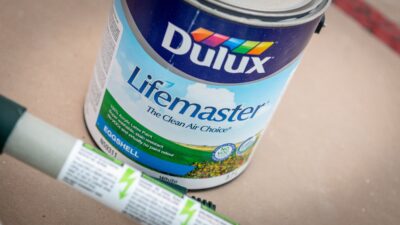
Choosing a container is an important part of paint storage. If the paint can is nearly full, you can often safely store it in the can that it came in. When storing paint in the original paint can, make sure to wipe any excess paint from the edges of the can. When paint dries on the edge of the container, it can glue the lid on, making it difficult to remove.
If the original can is nearing empty, or it has been damaged, you may want to consider using another container. Glass jars and mason jars are a great option to store paint, as long as they can be sealed shut.
Tip: If you have a damaged paint can, you can get a new one at a hardware or paint store!
2. Label the containers
It is always a good idea to label your container once you have finished an interior painting project. Labelling the containers with the colour code and location where the paint was used will make it much easier to use later, especially if you have used several colours in a room or home. Indicate the room where the paint was used, for example, “bedroom” and the part of the room that was painted, for example, “trim.”
3. Store the paint at room temperature
When it comes to storing paint, location is key. Many people store paint in the garage or shed, but this can actually cause the paint to quickly deteriorate in cold winter months or in the heat of summer. It is best to keep the paint in a location that remains at a consistent room temperature.
It is also important to keep the paint in a dry place, especially if it is in a paint can instead of a glass jar. Moisture can cause the can to rust which will compromise the paint.
4. Before using the paint again, stir well
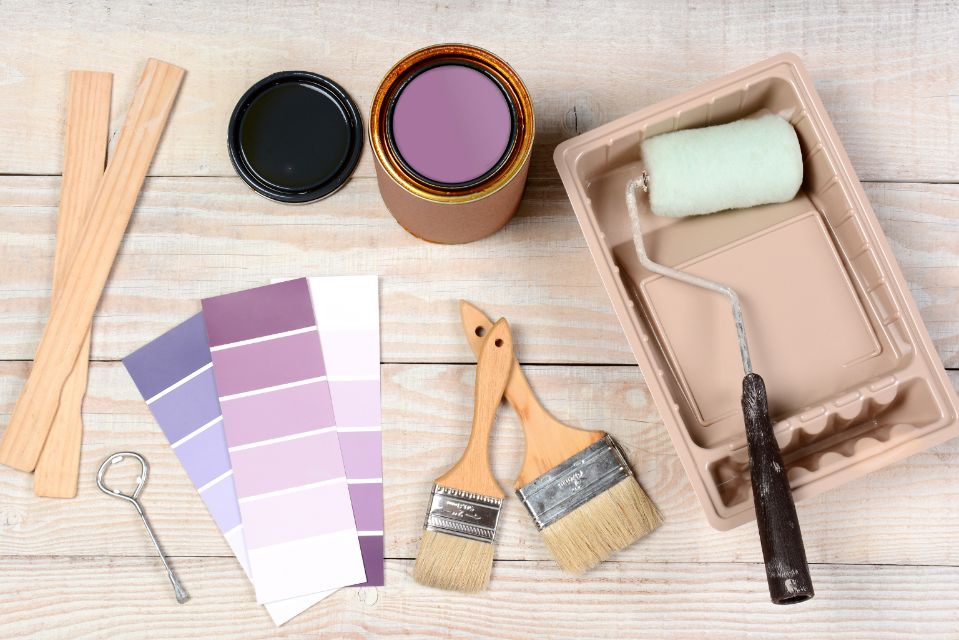
If paint sits for an extended period of time, it will likely separate. Using a stir stick, give the paint a good stir. Take a look for any lumps or dry flakes and remove them before painting so they do not end up on your walls.
How to tell if paint has gone bad
There are a few ways to tell if paint has gone bad. First, if you stir the paint and it does not mix together nicely, the paint will likely leave your walls with an uneven finish. Smelling the paint is another way to tell if it has deteriorated. Interior paint has a distinct smell, and you will be able to tell if it smells differently. This is a good indication the paint should not be used.
Are you considering painting your home’s interior?
If you are looking at painting your home, business, or strata property, why not consider calling a professional Vancouver painting company. At Even Better Painting, we offer free estimates and high-quality interior painting service. We can help you transform your space without all the hassle!