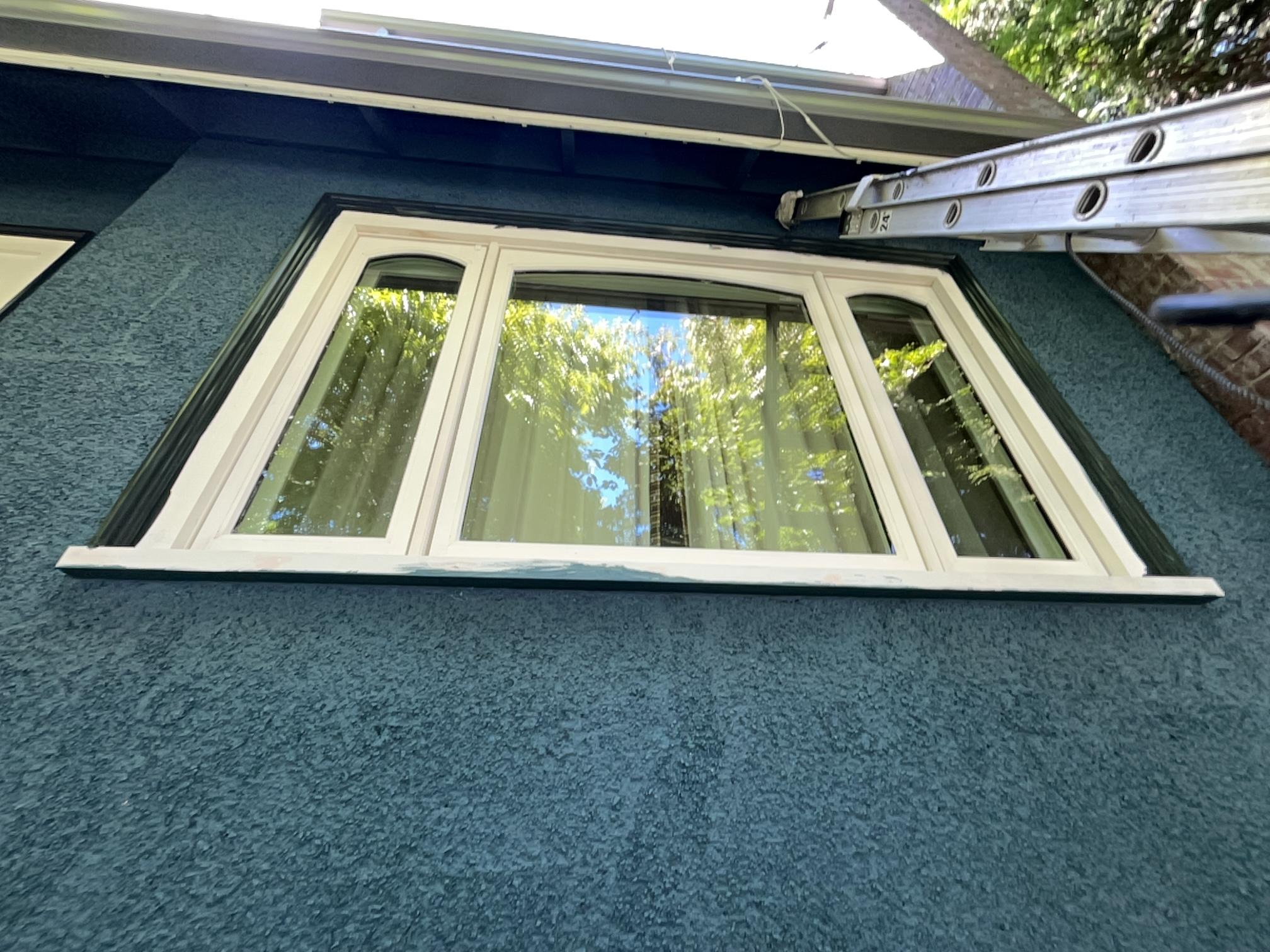
Older stucco can look solid while quietly taking on water through tiny cracks, worn patches, and tired paint. A fresh colour may improve the appearance, but it will not always solve the real problem. For homeowners who want longer-lasting weather protection, an elastomeric coating offers a thicker, more flexible shield than standard exterior paint.
Seals Hairline Cracks Before Rain and Damp Reach the Walls
Small cracks are common as stucco ages. They may seem harmless, yet even narrow openings can let rainwater reach the layers beneath the surface. Regular paint often covers these marks without filling them properly, so the cracks can reappear after the next season of heat, wind, and wet weather.
Elastomeric coatings create a thicker film that bridges many fine surface cracks once the wall has been prepared correctly. This added coverage helps stop moisture before it moves deeper into the exterior. It does not replace repairs for large or structural damage, but it gives weathered walls far more protection than a thin decorative coat.
Stretches With Aging Stucco to Reduce Future Cracking
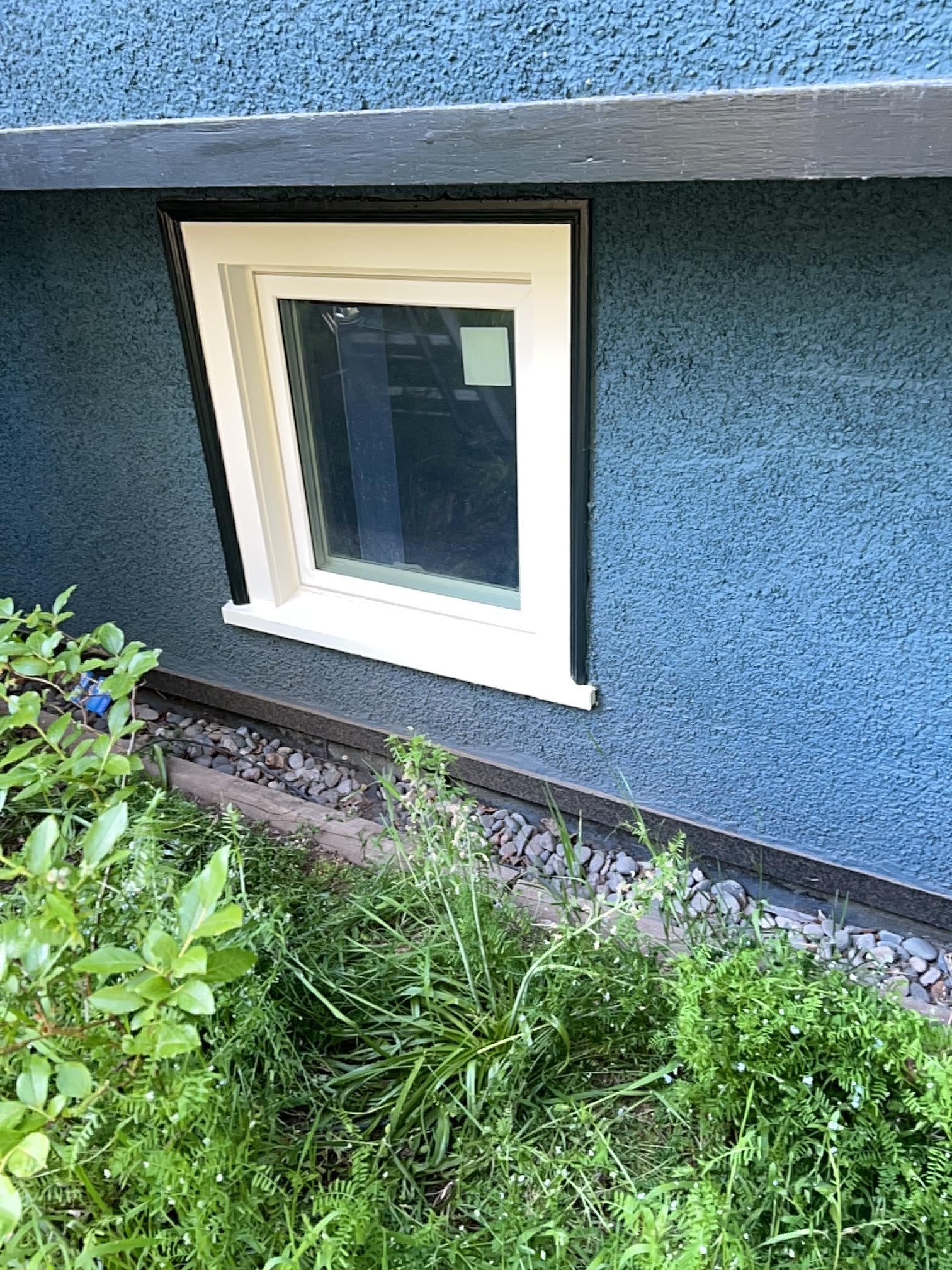
Stucco expands and contracts as temperatures change. Older homes may also experience slight movement from settling, vibration, or changing moisture levels. Standard exterior paint dries into a relatively rigid layer, which can split when the surface underneath shifts.
An elastomeric finish stays flexible after curing. It can move with minor changes in the wall instead of cracking at the first sign of stress. That flexibility makes it well suited to aging homes, where the goal is not simply to cover old marks but to help the exterior handle everyday movement more effectively.
Blocks Wind-Driven Rain Better Than Standard Exterior Paint
Rain does not always fall straight down. During a storm, strong wind can push water against walls, around corners, and into shallow cracks that rarely cause trouble in calm weather. Stucco homes in exposed areas often take the full force of this repeated impact.
Because elastomeric coatings form a heavier, more continuous layer, they provide stronger resistance against wind-driven moisture. Proper preparation remains essential, especially around windows, doors, flashing, and rooflines. When those details are addressed, the coating helps create a more dependable barrier across the larger wall surfaces.
Adds a Thicker Barrier Against Heat, Moisture, and Salt Air
Older stucco faces more than rain. Daily heat, strong sunlight, humidity, and airborne salt can slowly weaken the finish. Homes near the coast often show wear sooner because salty air settles on exterior walls and works its way into already damaged areas.
The extra film thickness of an elastomeric system gives the surface more protection from harsh conditions. It helps slow moisture penetration and shields the wall from constant exposure. No coating makes a home maintenance-free, but a stronger barrier can help stucco stay sound and presentable for longer.
Helps Older Stucco Resist Peeling, Blistering, and Chalking
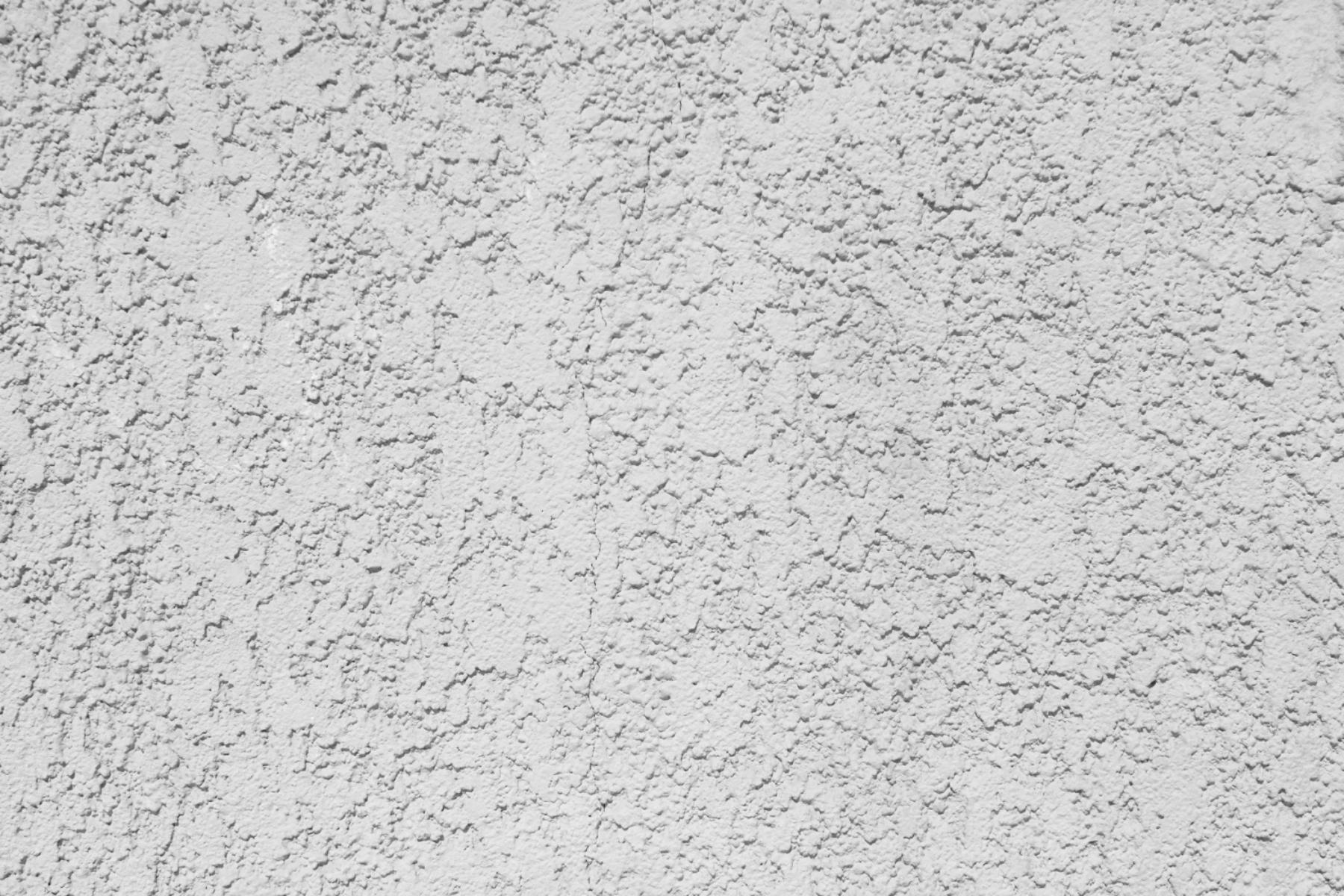
Peeling and blistering often point to weak adhesion, trapped moisture, or poor surface preparation. Chalking appears as a dusty residue when an old coating begins to break down. Painting directly over these problems may hide them briefly, but the new finish can fail along with the layer beneath it.
A lasting result starts with cleaning, scraping, repairs, and the right primer where needed. Once the surface is stable, an elastomeric product can form a durable finish that holds together better than a light coat of ordinary paint. The preparation takes time, but it prevents homeowners from paying for another short-lived fix.
Needs Fewer Recoats, Cutting Long-Term Upkeep and Repair Costs
Standard paint may cost less at the beginning, which makes it tempting for a quick refresh. The real expense appears when cracks return, damp patches spread, or the finish starts wearing unevenly. Repainting sooner means paying again for labour, access equipment, preparation, and materials.
A properly applied elastomeric coating often lasts longer because it combines colour with a heavier protective layer. That can reduce the frequency of full exterior recoats and help prevent minor moisture issues from turning into larger repairs. For an older property, spending more on the right system can be more economical than repeating the cheapest option.
Protects Patched and Weathered Surfaces With a Uniform Finish
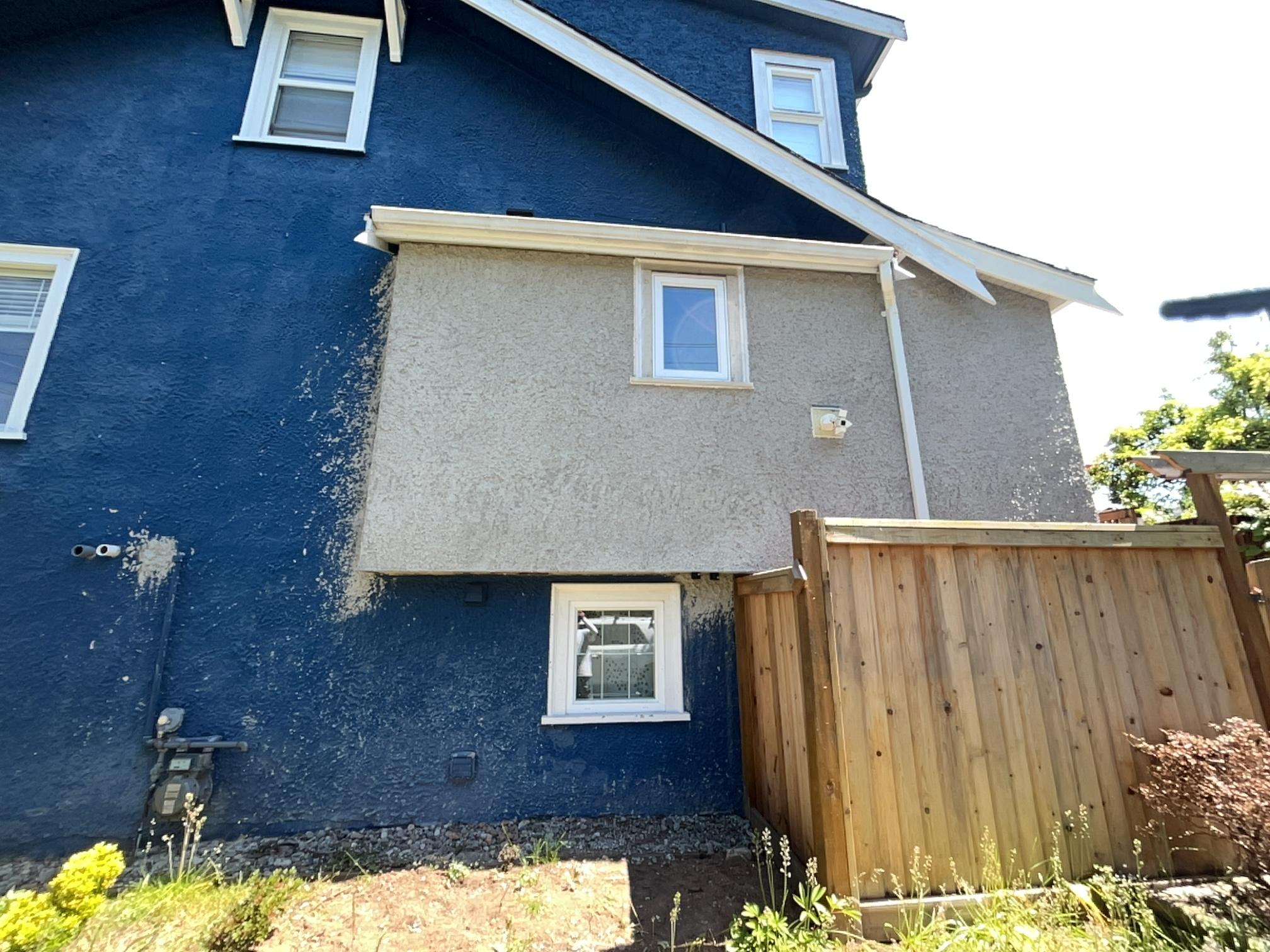
Repairs can leave stucco walls with visible texture changes, colour differences, and uneven absorption. These areas may stand out after regular paint is applied, especially when the wall contains years of patching from cracks, vents, pipes, or previous renovations.
Elastomeric coatings provide more body, which can help bring repaired and weathered areas together visually. They will not erase major texture differences, but they can soften the contrast and create a more consistent appearance. Homeowners gain both improved protection and a finish that looks deliberate rather than pieced together.

Give Your Older Stucco Home Lasting Weather Protection With EB Painting
An older stucco exterior needs more than a new shade. It needs careful inspection, proper repairs, thorough preparation, and a coating chosen for the conditions around the home. When those steps work together, the finish can help resist water, reduce recurring cracks, and keep the property looking well maintained.
EB Painting helps homeowners protect weathered stucco with solutions built for long-term performance, not a quick cover-up. Our team can assess the condition of your exterior, explain the preparation it needs, and recommend a coating system suited to your home. Contact us to plan a stronger, longer-lasting finish for your stucco walls.
Frequently Asked Questions
Is elastomeric coating suitable for every stucco home?
It works well on many older stucco homes, especially those with hairline cracking or repeated exposure to rain and strong sunlight. However, the walls must be inspected first because large cracks, trapped moisture, structural movement, or failing stucco need repairs before any coating is applied.
How long does elastomeric coating usually last on exterior stucco?
Its service life depends on surface preparation, product quality, application thickness, climate, and ongoing maintenance. When applied correctly to a sound surface, it can often outlast standard exterior paint and reduce the need for frequent full recoats.
Can elastomeric coating fix existing cracks in stucco?
It can bridge small hairline cracks, but it is not a substitute for proper repairs. Wider openings, loose areas, deep damage, and cracks caused by structural movement should be repaired before coating so the finish has a stable surface to protect.
Why is professional preparation so important before coating stucco?
A coating can only perform as well as the surface beneath it. EB Painting cleans away dirt and chalking, removes loose material, repairs damaged areas, and applies suitable primers where needed. These steps improve adhesion and help prevent premature peeling, blistering, or uneven coverage.