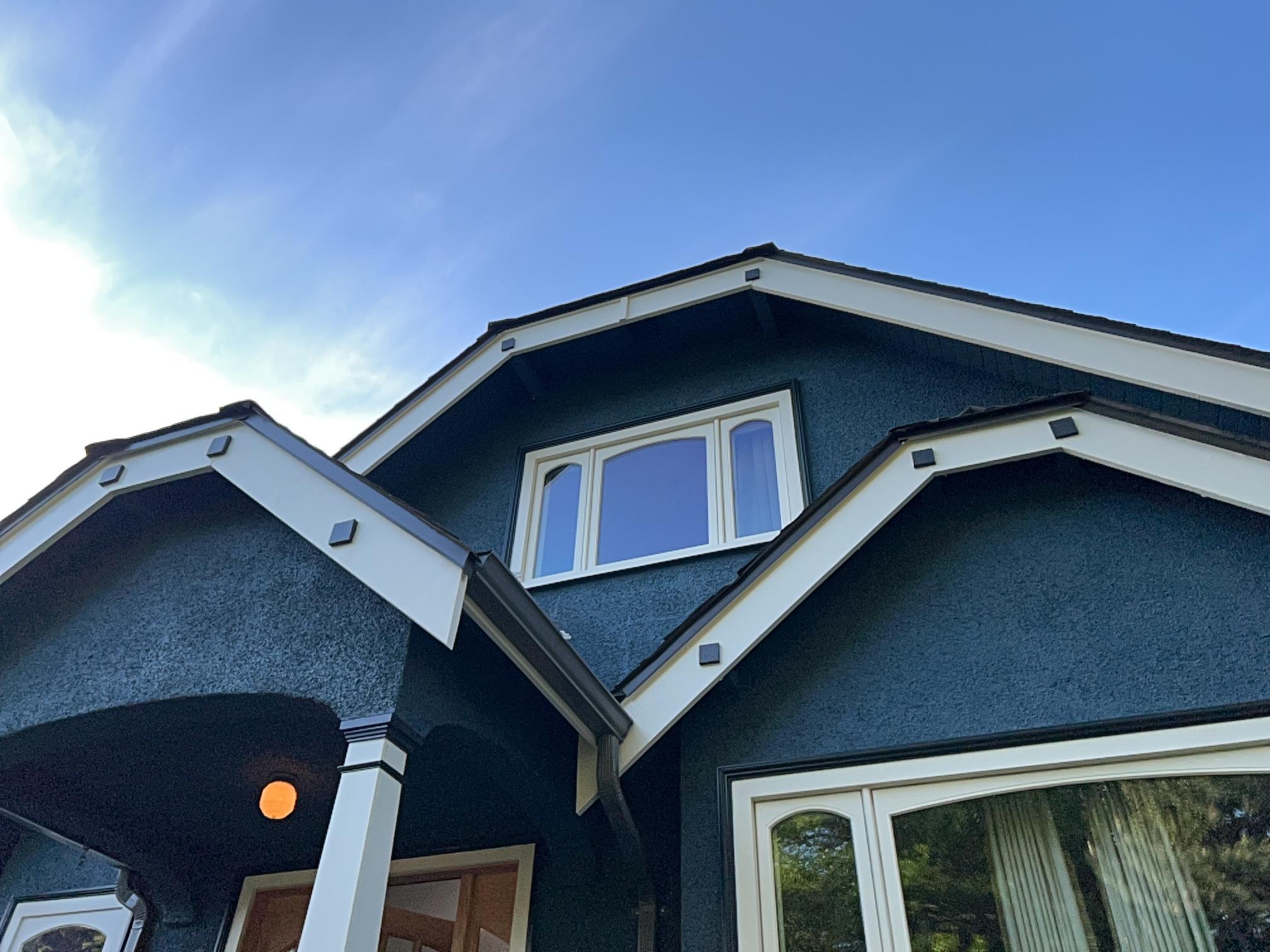
Fall rain can expose every weak spot in an exterior paint job. Moisture pushes into small cracks, humidity slows drying, and sudden temperature drops can leave fresh coatings soft or uneven. Choosing the right product matters just as much as picking a color, especially for homeowners in rainy, coastal, or fast-changing climates.
100% Acrylic Latex Flexes with Rapid Temperature Shifts
Exterior walls expand when afternoon temperatures rise and contract when cold evenings arrive. This daily movement can make rigid coatings split, peel, or pull away from the surface. A 100% acrylic latex paint stays flexible after it dries, allowing it to move with wood siding, trim, fiber cement, and other common building materials.
Many homeowners assume thicker paint automatically offers better protection, but flexibility often matters more during fall. A hard, brittle layer may look strong at first, yet it can fail once temperatures begin swinging. Acrylic resins also hold their bond well in damp conditions, giving the exterior a stronger defense against wind-driven moisture and early seasonal frost.
Sherwin-Williams Duration Resists Driving Autumn Rain
Sherwin-Williams Duration uses a thick, self-priming formula that creates a durable barrier against heavy rainfall. Its strong adhesion helps it stay in place on properly prepared siding, even when storms repeatedly soak the same walls. The coating also forms a tight surface that reduces the chance of water slipping behind loose edges.
Duration works especially well on homes with exposed elevations, including walls that face open fields, coastal winds, or streets where rain hits at an angle. It can cover many previously painted surfaces in fewer coats, though damaged areas still need proper repair and priming. No premium paint can compensate for rotten wood, trapped moisture, or poor surface preparation.
Benjamin Moore Aura Locks in Color Despite High Humidity
High humidity can affect how evenly exterior paint dries, particularly with dark or saturated colors. Benjamin Moore Aura uses color-locking technology that helps pigments stay evenly distributed within the coating. This reduces fading, streaking, and uneven patches that may become more noticeable after several weeks of damp weather.
Aura also provides strong coverage, which helps painters build a consistent finish without applying unnecessary layers. Homeowners choosing deep blue, charcoal, forest green, or rich red can benefit from its color retention. Good preparation still matters, so surfaces should be clean and fully dry before work begins, especially after repairs or post construction cleaning.
Heavy-Duty Mildewcides Block Damp Coastal Mold Growth
Coastal air carries moisture that can settle on shaded siding, soffits, fences, and exterior trim. These areas may stay damp long after the rain stops, creating ideal conditions for mildew. Paints with built-in mildewcides slow the growth of fungal stains and help walls stay cleaner between routine washes.
Mildewcides do not remove existing growth, so painters must clean contaminated surfaces before applying a new coat. Painting over mildew only hides it for a short time. It may return beneath the finish and weaken adhesion. Homes near shorelines, wetlands, wooded areas, or dense landscaping usually need stronger mildew resistance than properties in dry, open locations.
Elastomeric Coatings Bridge Hairline Cracks on Stucco
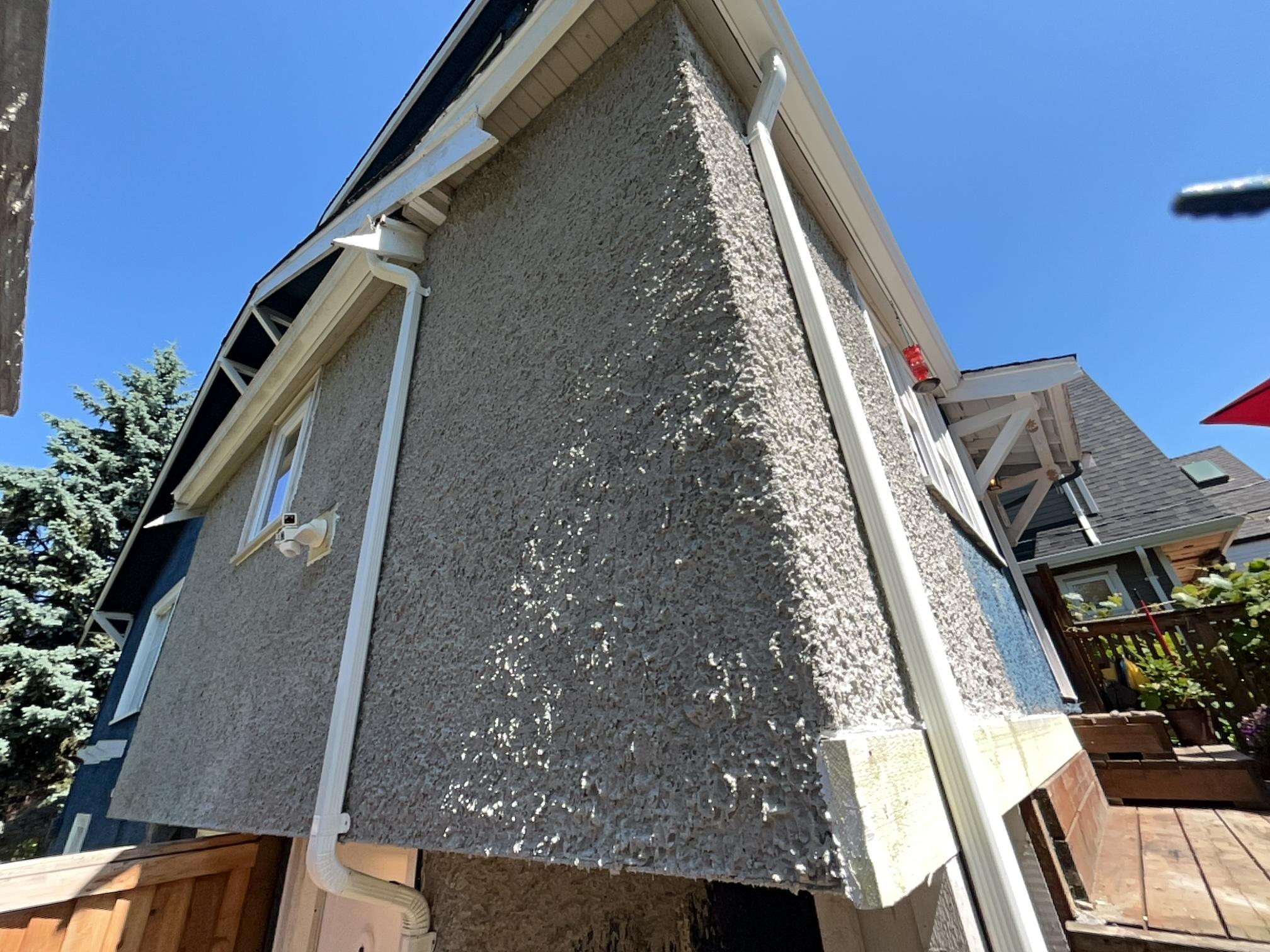
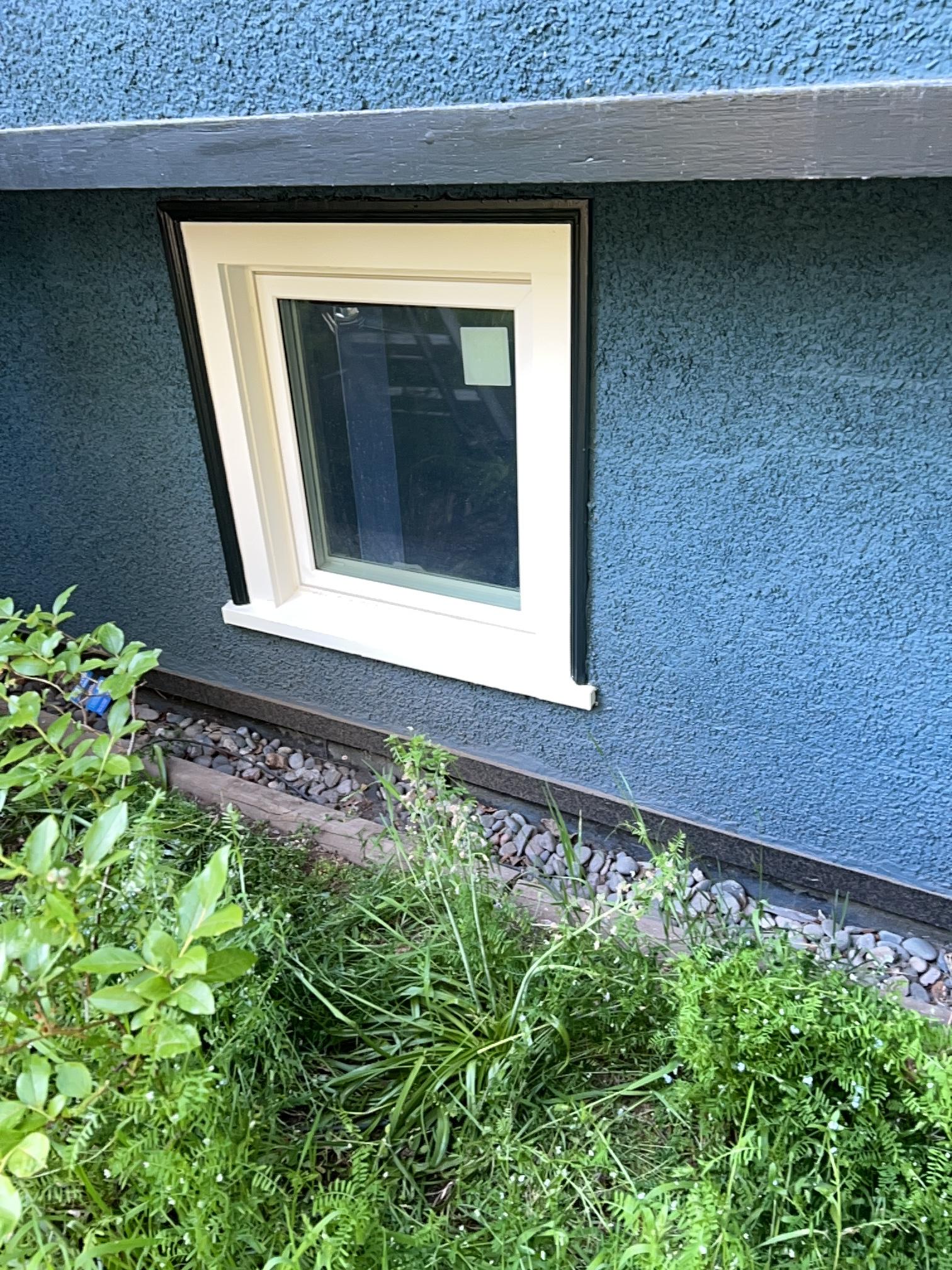
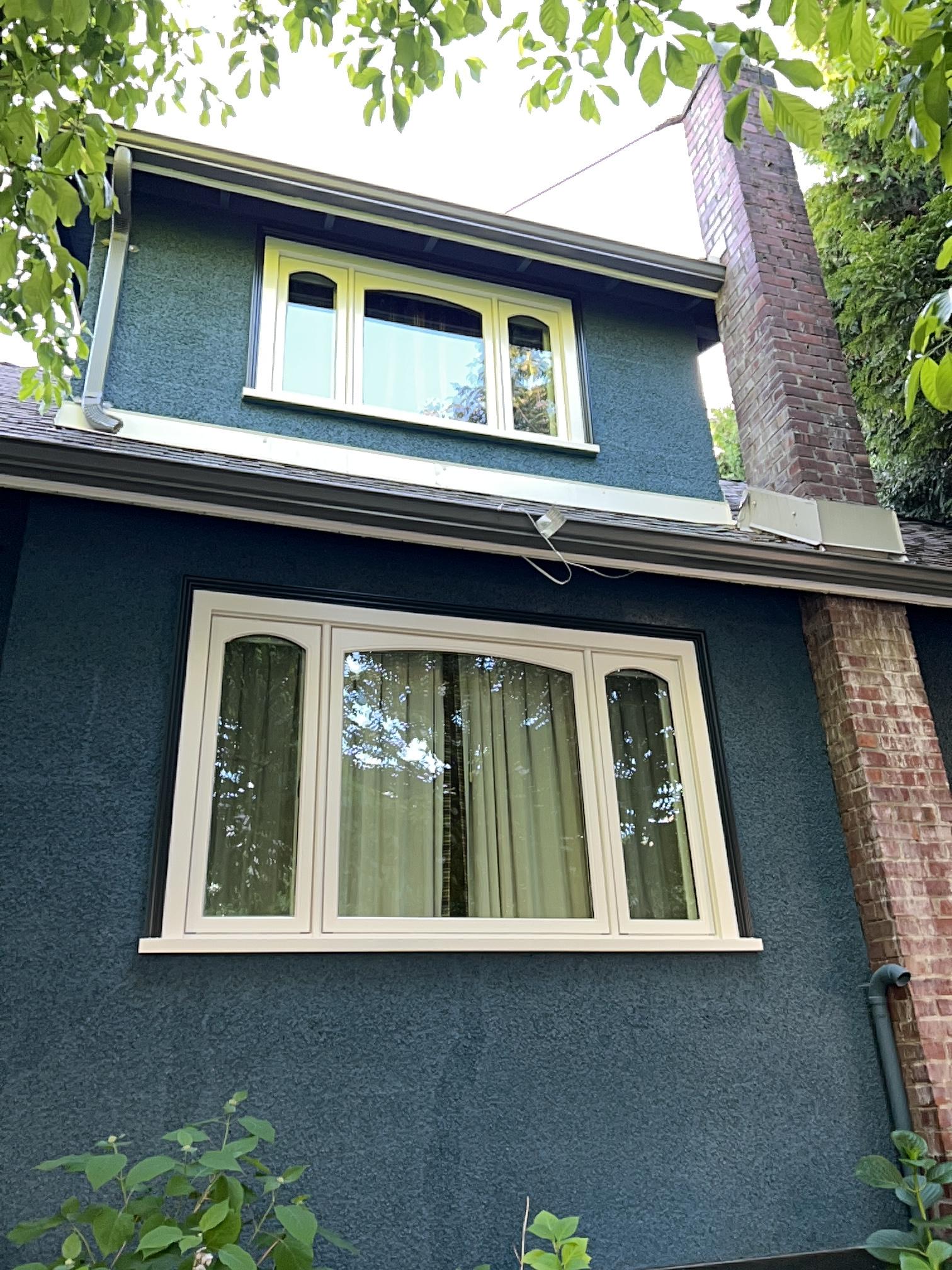
Stucco naturally develops small cracks as a home settles and exterior walls expand or contract with changing temperatures. These thin openings may seem harmless, but they can allow rainwater to work its way beneath the surface, especially during a wet fall season. Elastomeric coatings help solve this problem by forming a thick, flexible membrane over the wall. Unlike standard exterior paint, this coating can stretch across minor cracks and move with the stucco instead of splitting when the surface shifts. Its rubber-like finish also creates a strong barrier against wind-driven rain, making it a practical choice for homes in coastal, humid, or storm-prone areas.
Proper preparation still plays a major role in the final result. Painters should clean the wall, repair wider cracks, remove loose material, and confirm that moisture is not trapped inside the stucco before applying the coating. Elastomeric products should not hide structural damage or active leaks, since those problems require repairs first. When applied to a sound and properly prepared surface, the coating can reduce water intrusion, cover minor imperfections, and give aging stucco a smoother, more uniform appearance that holds up through repeated seasonal weather changes.
Satin Sheens Shed Moisture Better Than Porous Flats
Flat finishes hide surface flaws, but their texture can hold dirt and moisture longer than smoother coatings. Satin paint creates a tighter surface that allows rainwater to run off more easily. It also stands up better to gentle washing, making it practical for siding, doors, trim, and other areas exposed to splashes or windblown debris.
A satin finish does not need to look glossy. Modern exterior formulas offer a soft sheen that adds depth without making walls appear shiny. The smoother surface can also reduce the dark streaks that form beneath windows and roof edges. For older homes, painters may combine flat paint on broad walls with satin on high-contact or moisture-prone sections.
Low-Temperature Formulas Cure Reliably in Cooler Air
Traditional exterior paints often require warm conditions to form a strong film. When temperatures fall too quickly, the coating may dry on top while remaining soft underneath. Low-temperature formulas can cure in cooler air, giving painters a wider working window during short fall days and unpredictable weather.
These products still need suitable conditions. Rain, dew, frost, and damp surfaces can interfere with adhesion, even when the label allows application at lower temperatures. Painters should track both daytime highs and overnight lows, then schedule work early enough for the coating to set before evening moisture arrives. Careful timing often determines whether a fall paint job lasts or fails.
Give Your Home Lasting Fall Protection with Professional Exterior Painting from EB Painting
Wet weather does not have to leave your home with peeling siding, mildew stains, faded color, or water-damaged trim. EB Painting helps homeowners choose coatings that fit their property, local climate, surface material, and maintenance goals. Our team prepares each area carefully, repairs visible trouble spots, and applies the finish under suitable weather conditions.
A well-planned exterior update can protect your home while improving its curb appeal before winter arrives. Contact us to schedule an exterior assessment with EB Painting and get clear recommendations for your siding, stucco, doors, trim, or other painted surfaces.