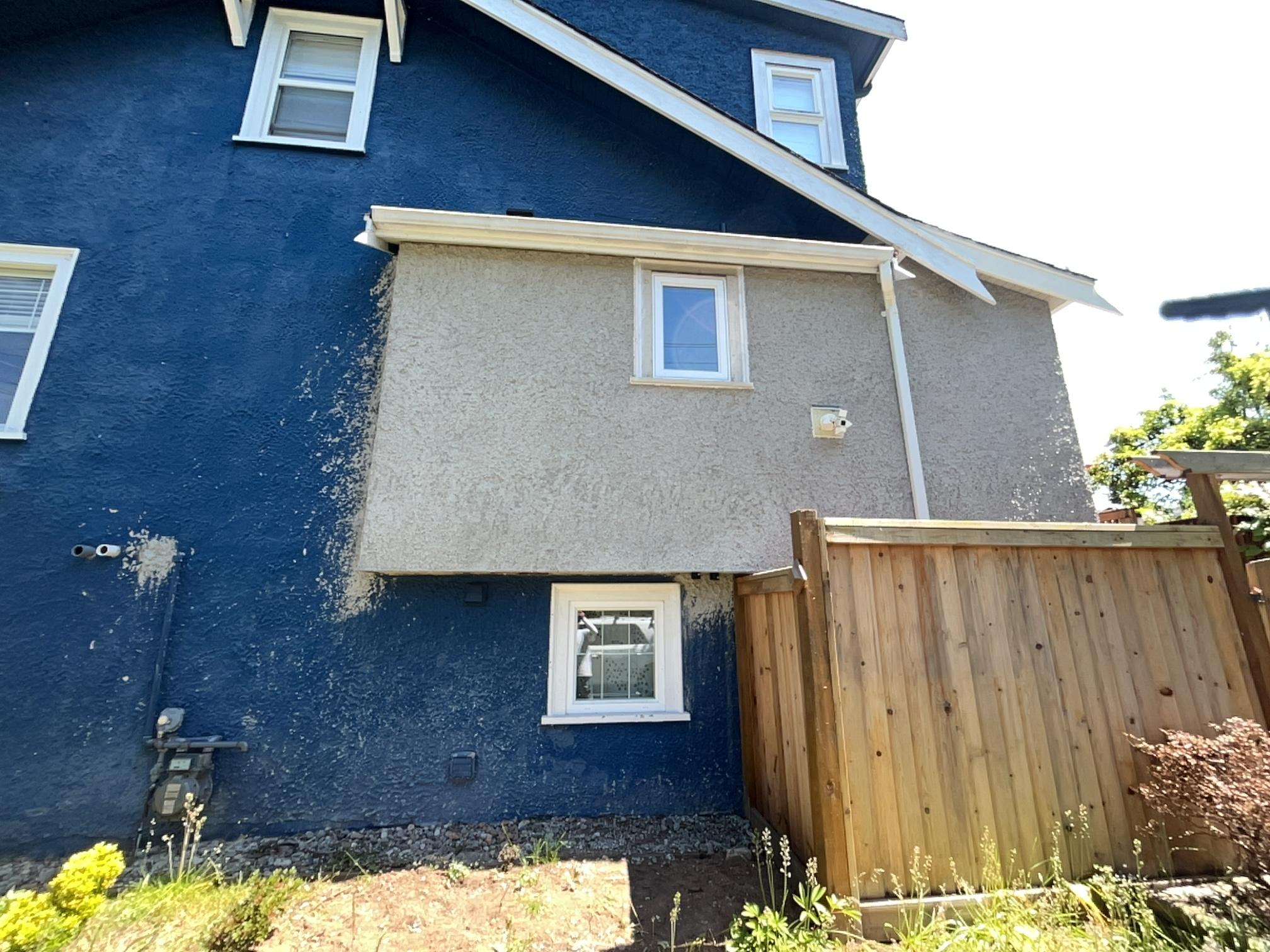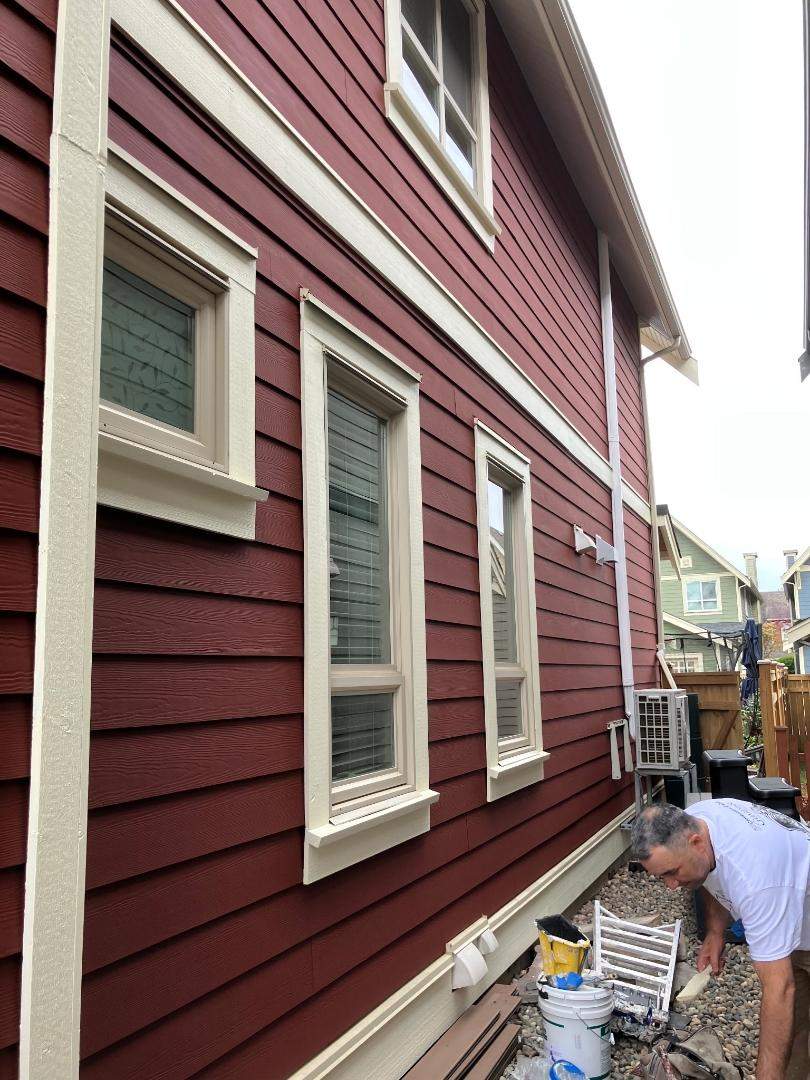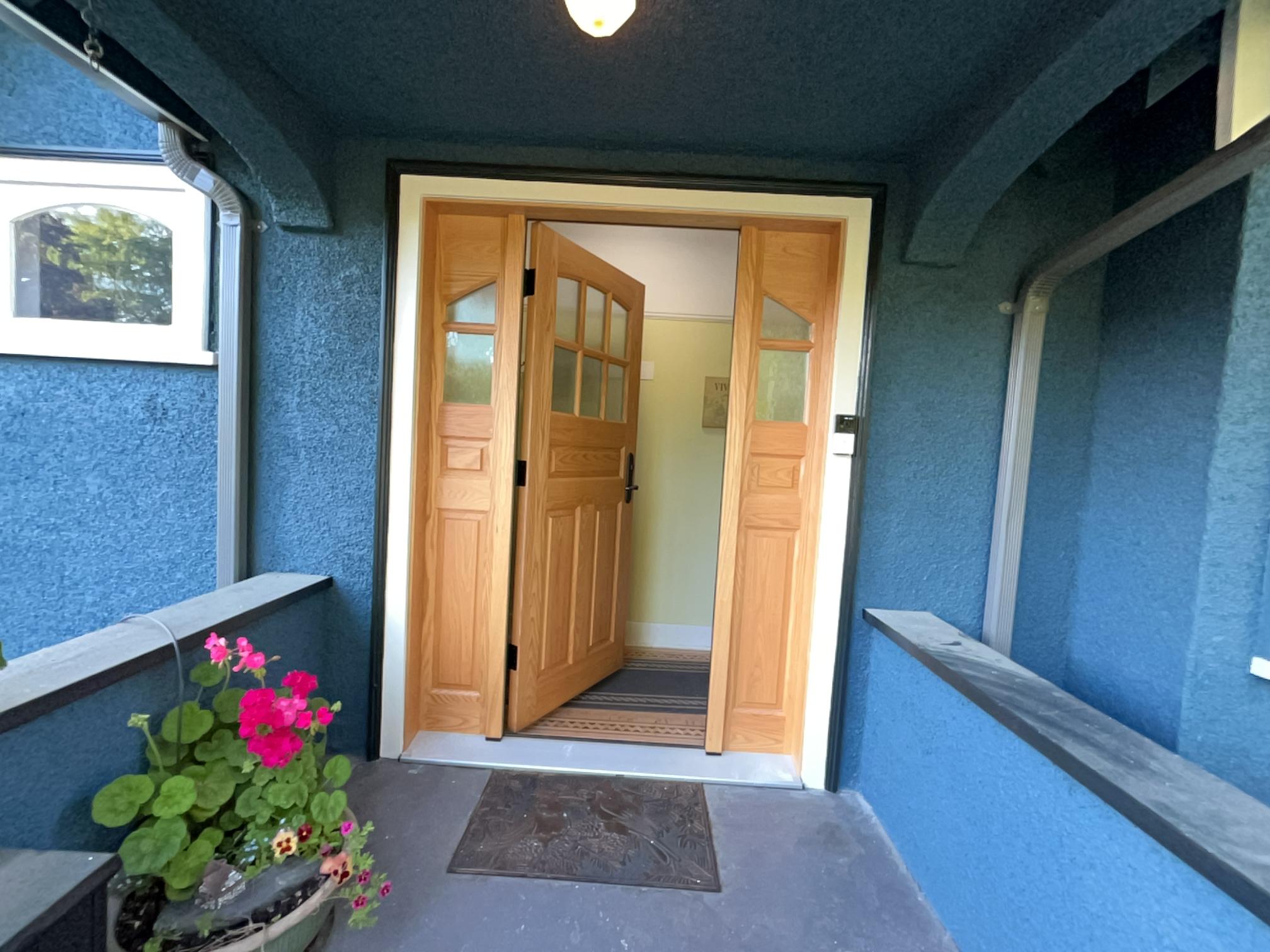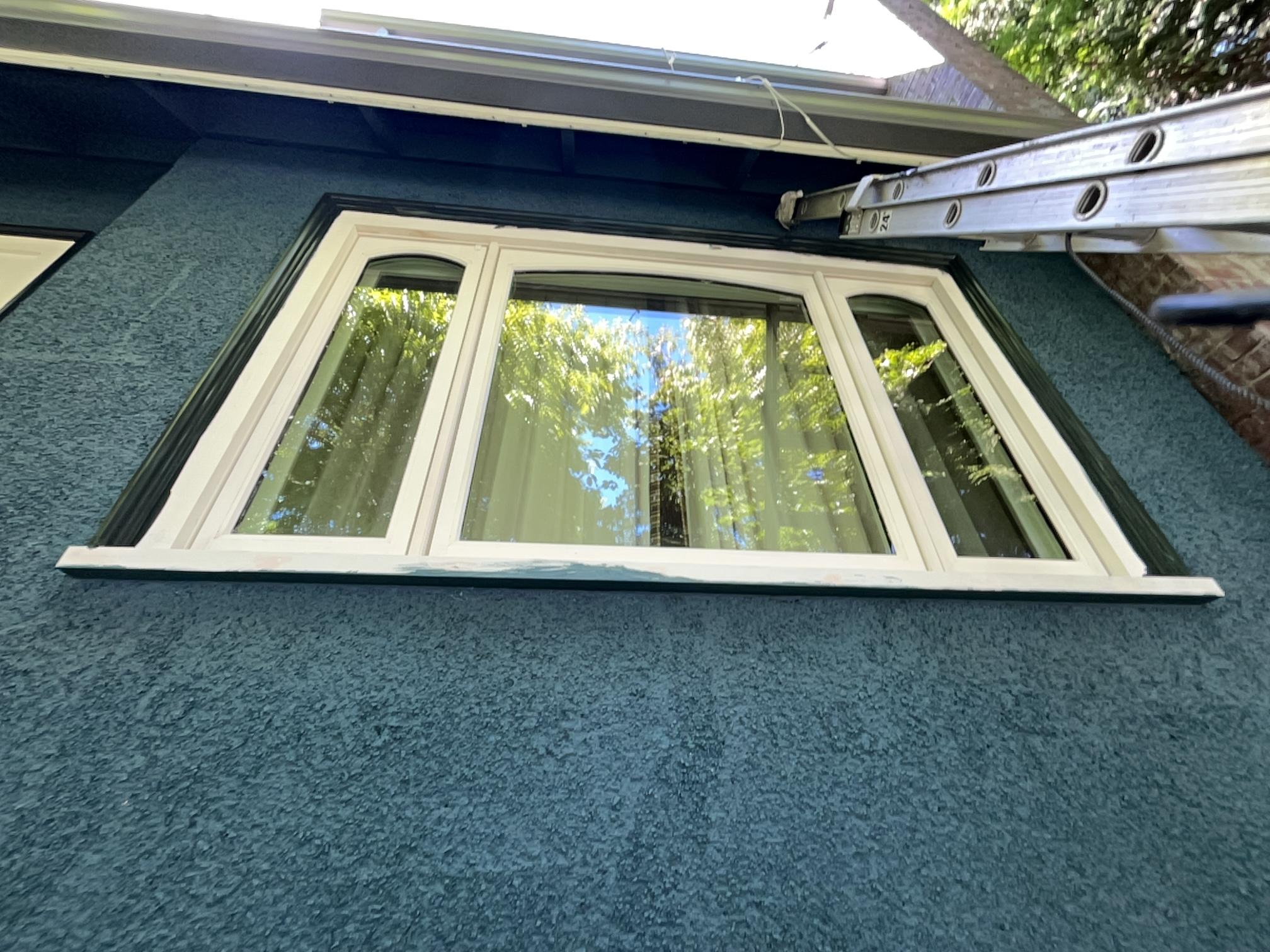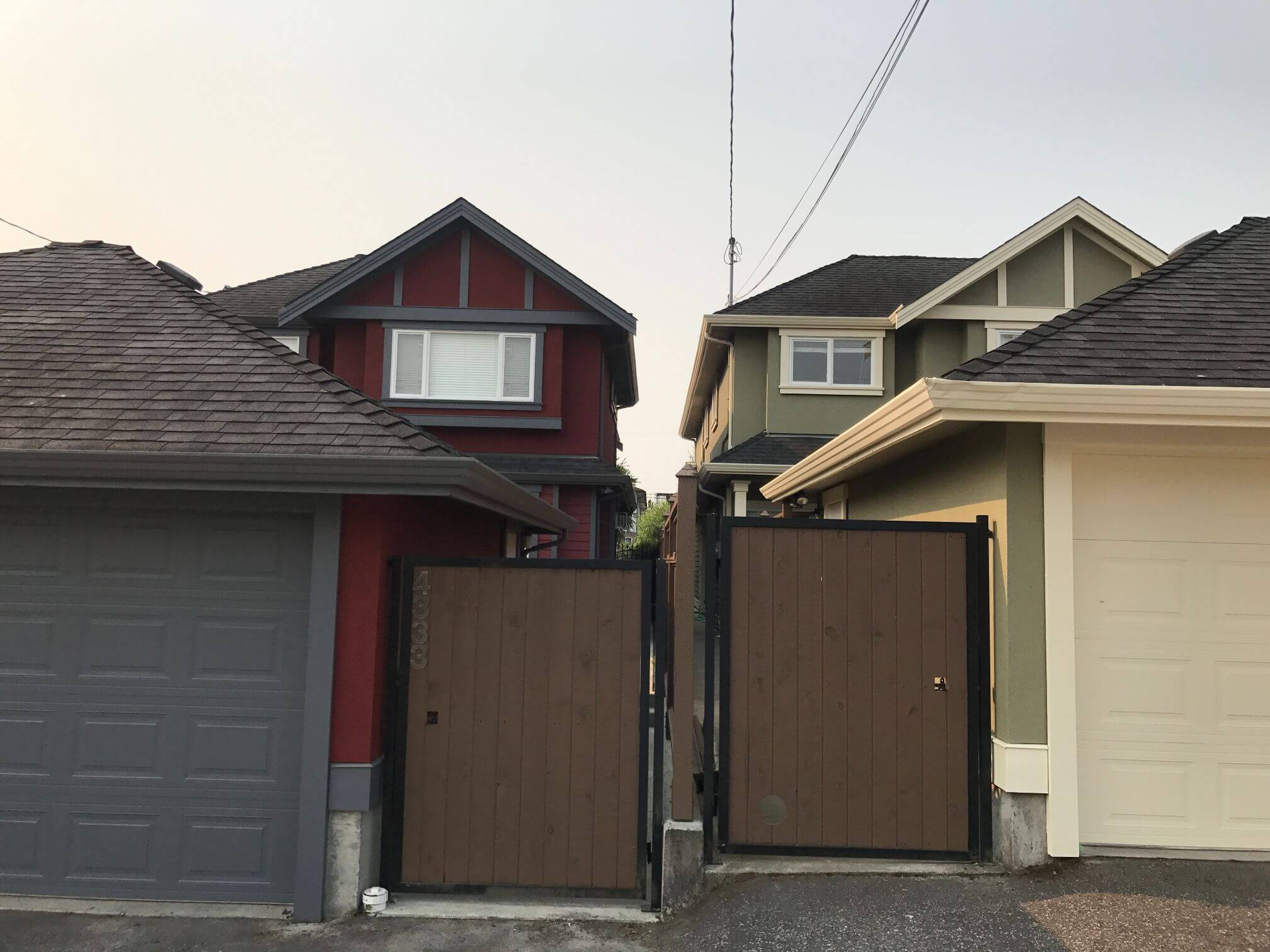
A sunny 75-degree day may look perfect for painting the outside of your home, yet your contractor might still recommend waiting. That can feel overly cautious when the weather seems comfortable. The reason often has little to do with warmth alone. What matters is whether your siding, trim, and other surfaces are dry enough for a coating to bond and cure properly.
Dew Point Shows When Surface Moisture Can Form Before Painting
Dew point tells painters how close the air is to leaving moisture on a surface. When siding cools to that level, water can collect as a thin film even when there is no rain in the forecast. It may be hard to see, but that small amount of dampness can interfere with how well a fresh coat grabs onto wood, masonry, metal, or previously painted material.
This is why experienced crews check more than the number on a weather app. A wall can look dry from the driveway while still holding enough moisture to create problems later. Painting over that hidden dampness can contribute to peeling, bubbling, uneven sheen, or premature failure. Waiting a few hours often protects years of performance.
Warm Air Can Still Leave Siding Too Damp for Proper Adhesion
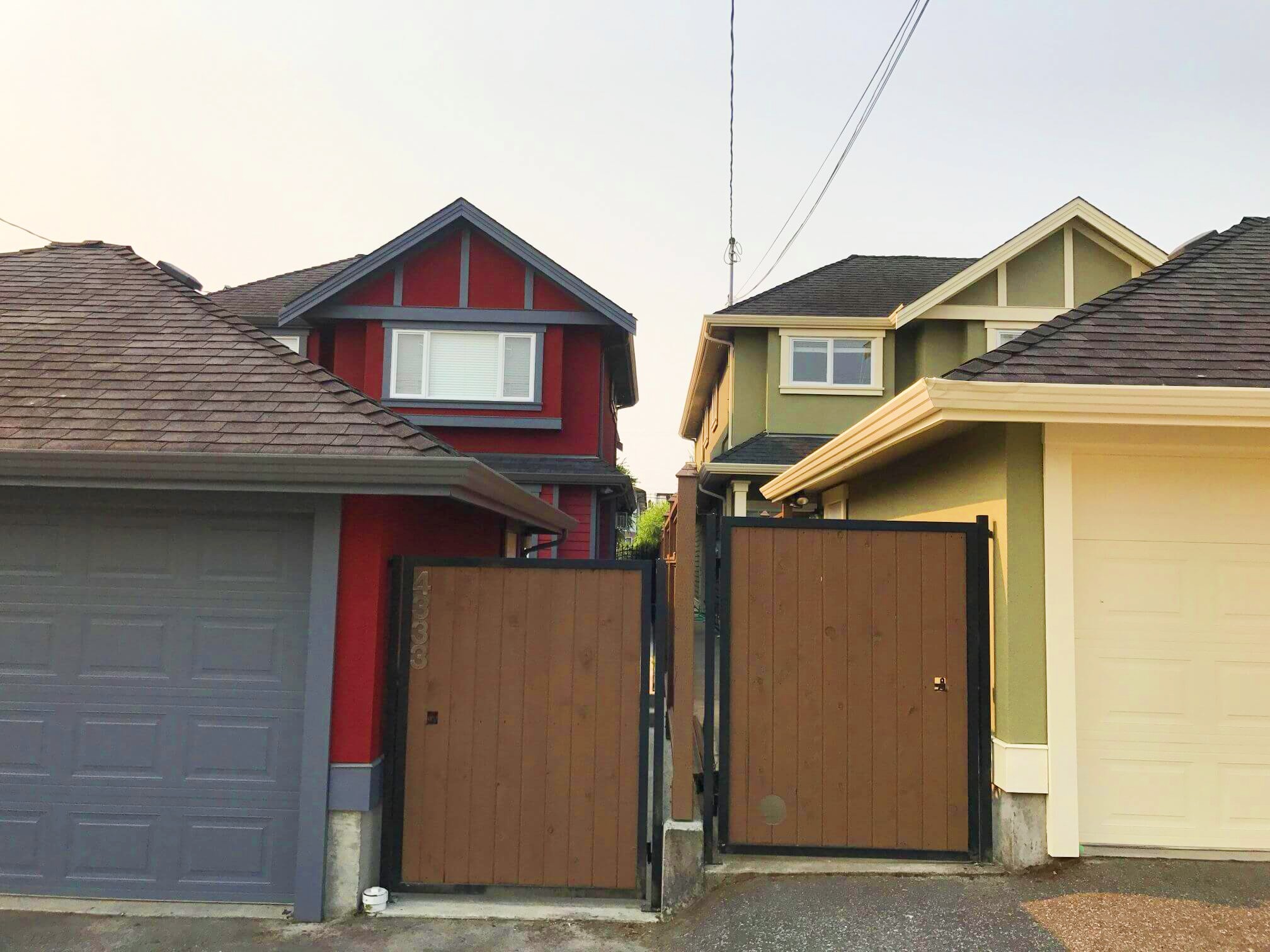
Homeowners often assume warm weather automatically means dry conditions. It does not. A humid afternoon can feel hot while exterior materials remain damp, especially on shaded walls, under roof overhangs, or around areas with limited airflow. Wood and porous materials can also hold water longer than the surrounding air suggests.
That matters because paint needs a clean, stable surface to form a strong bond. If moisture sits between the coating and the house, the finish may never attach as firmly as it should. A responsible contractor may postpone work on one side of the home while another section is ready, rather than covering everything simply because the thermometer looks favorable.
Paint Needs a Safe Gap Between Surface Temp and Dew Point
Professional painters pay attention to the difference between the surface temperature and the dew point, not just the daytime high. If those numbers move too close together, condensation becomes more likely. Many coating manufacturers provide specific application guidance because a small weather change can affect how reliably the product performs.
The wall itself also matters more than the general outdoor reading. Direct sunlight can make one section much hotter, while shade can keep another surprisingly cool. Contractors may use surface readings throughout the day to decide where work can continue safely. That extra care is not wasted time; it helps keep your finish from becoming an expensive do-over.
Morning Condensation Can Delay an Otherwise Warm Paint Day
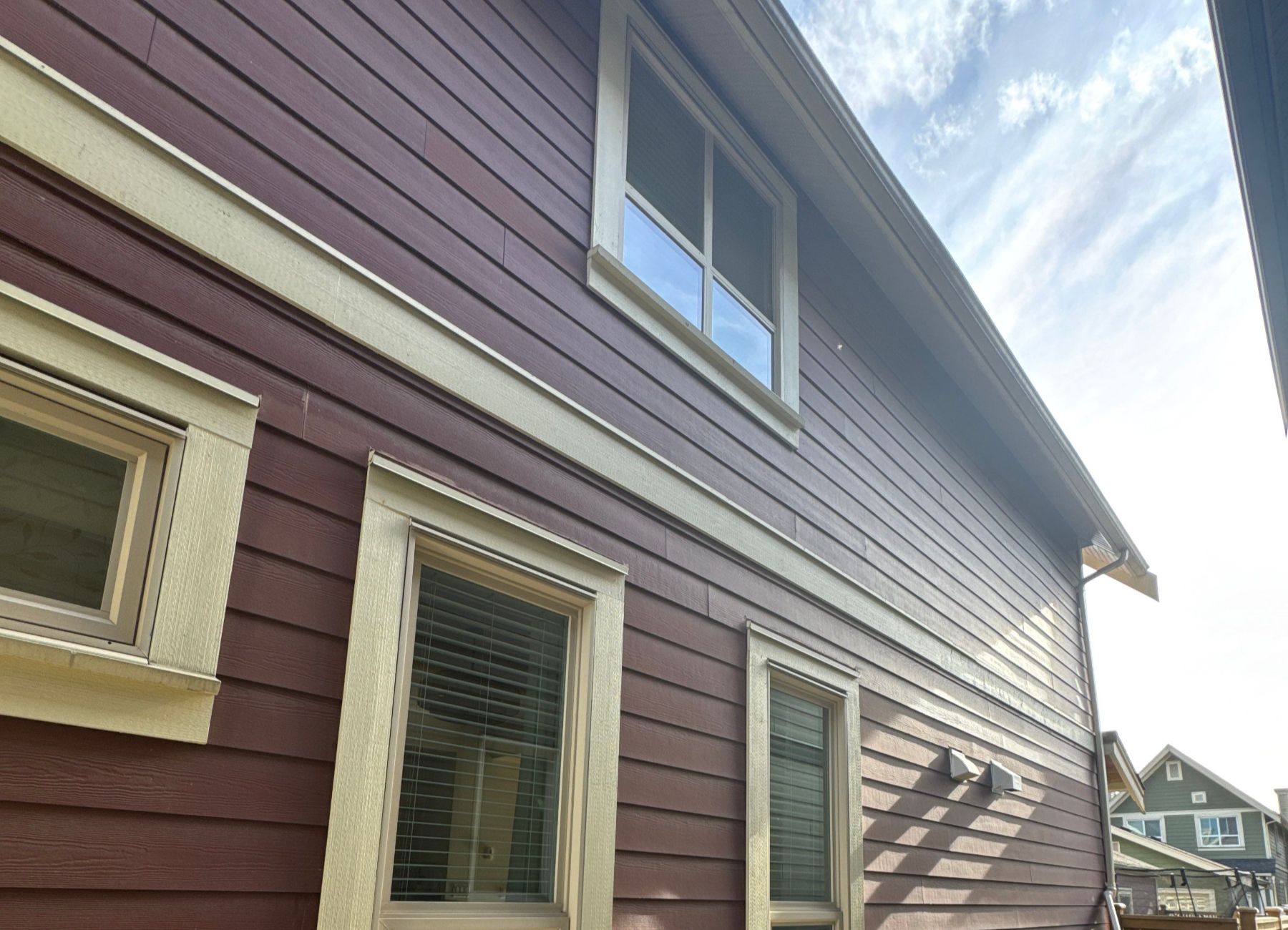
Early mornings often create one of the biggest scheduling surprises. Overnight cooling can leave siding, railings, shutters, and trim covered with a light layer of condensation. The forecast may call for a beautiful afternoon, but crews still need to give those materials enough time to dry before opening a can.
Starting too early can lock that moisture beneath the new finish. Instead, painters may begin with preparation, masking, scraping, caulking, or work on a sunnier part of the property. Once conditions improve, application can begin. A delayed start does not mean the day is wasted; it means the crew is sequencing the job around the house rather than around the clock.
High Humidity Slows Drying and Extends Safe Recoat Times
Humidity affects what happens after the first coat goes on. When the air already contains a large amount of moisture, water and solvents in the coating may evaporate more slowly. The surface can feel dry to the touch while deeper layers are still soft, which makes rushing the next coat risky.
Recoat instructions are not simply countdown timers. They assume suitable weather and adequate drying. On muggy days, a painter may allow more time before adding another layer, closing windows, replacing hardware, or exposing the finish to normal use. That patience helps prevent dragging, sticking, wrinkling, and other defects that can show up when layers are applied too quickly.
Evening Temperature Drops Can Trap Moisture in Fresh Coatings
Late-day painting brings another challenge. A wall may be perfectly workable at four in the afternoon, then cool rapidly after sunset. As temperatures fall, the surface can move closer to the moisture threshold before the fresh coating has had enough time to set. That leaves the finish vulnerable during an important part of its curing process.
For that reason, contractors often stop application earlier than homeowners expect. They are thinking several hours ahead, not simply looking at current conditions. Finishing one extra wall may seem productive, but it is rarely worth the risk if the coating will spend the evening fighting damp air, falling temperatures, or developing condensation.
Contractors Schedule Around Drying Conditions, Not Warmth Alone
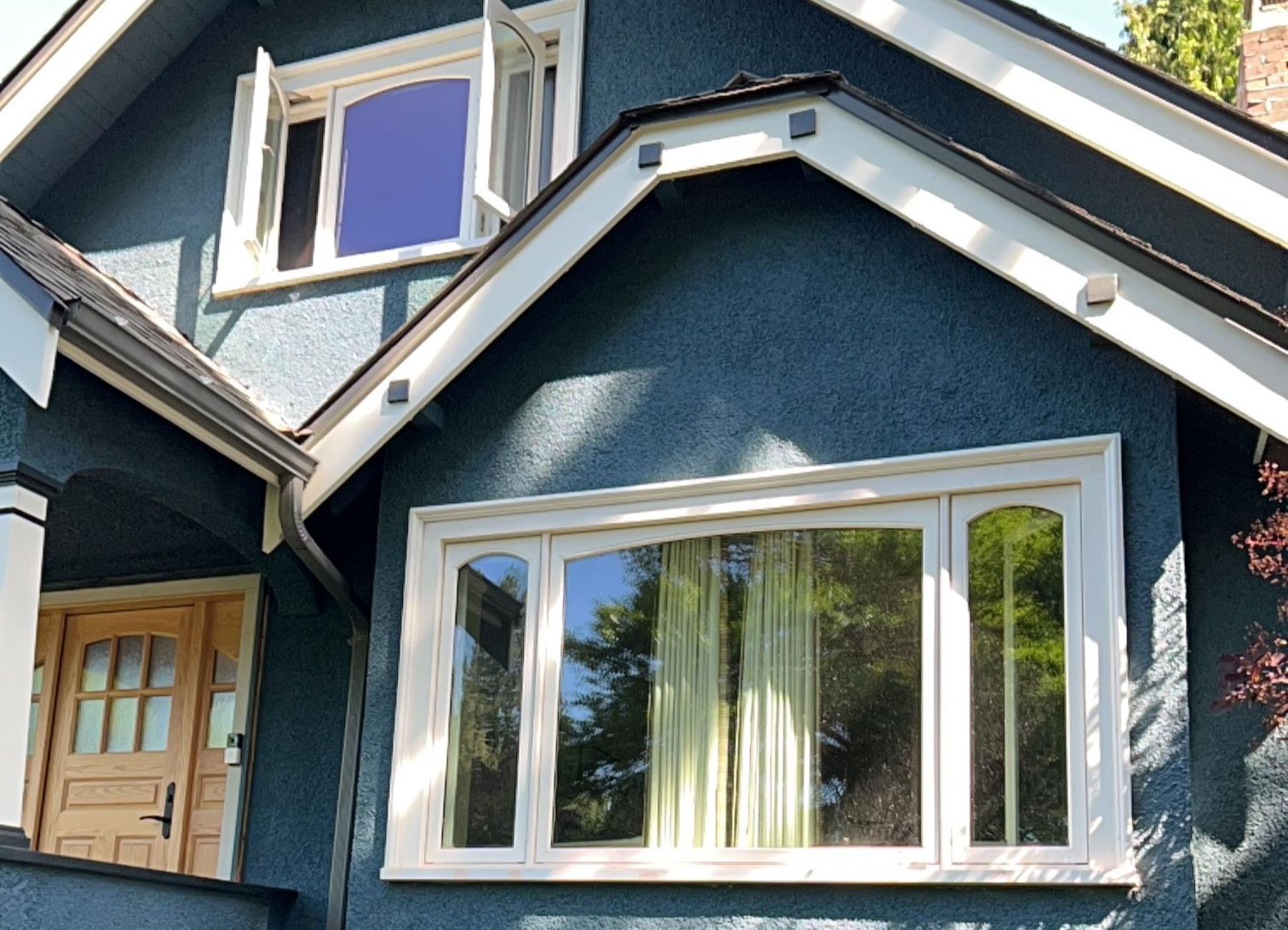
A good exterior painting schedule involves more than finding a week with pleasant temperatures. Crews consider overnight lows, shade patterns, humidity, recent rain, surface exposure, drying windows, and the time each product needs before conditions change. They may even adjust the order of the house so sunny elevations are completed earlier and cooler sections later.
For homeowners, this explains why a contractor may shift a start time, stop sooner than expected, or move the project by a day even when the weather looks fine. Those decisions protect the work you are paying for. A dependable crew would rather explain a schedule change now than return months later to repair a finish that was applied under poor conditions.
Give Your Home a Longer-Lasting Finish With EB Painting and a Schedule Built Around the Right Conditions
Exterior painting should improve your home for years, not simply look fresh on the day the crew packs up. EB Painting takes the conditions around your home seriously, from surface readiness and changing temperatures to drying time between coats. That attention helps produce smoother coverage, stronger adhesion, and a finish designed to stand up to everyday exposure.
If you are planning to repaint your siding, trim, shutters, doors, or other exterior surfaces, choose a team that knows when to paint as well as how to paint. EB Painting can help you plan the project around conditions that support lasting results instead of forcing the job onto any available warm day. Contact us to discuss your home and schedule your residential painting project.