Paint rarely fails without leaving clues. Bubbles, loose edges, powdery residue, and faded patches can tell you a lot about what happened underneath the surface. For homeowners, knowing what those signs mean can help separate normal aging from moisture trouble, poor preparation, or a coating that never bonded the way it should.
Blisters Often Point to Trapped Moisture or Heat
Paint blisters form when the coating lifts away from the surface and creates small bubbles or larger pockets. Moisture is a common cause, especially around bathrooms, kitchens, siding, windows, and other areas exposed to water. Vapor can work its way behind the coating and push outward when it has nowhere else to go. Simply scraping and repainting the bubble may only hide the problem for a short time.
Heat can create a similar result. Painting a hot exterior wall in direct sunlight may cause the top layer to dry before material underneath has properly settled. Air or solvent can then become trapped beneath the surface. Where the blisters appear often provides a clue. Damage concentrated around leaks or damp areas suggests moisture, while bubbles across sun-baked sections may point toward application conditions.
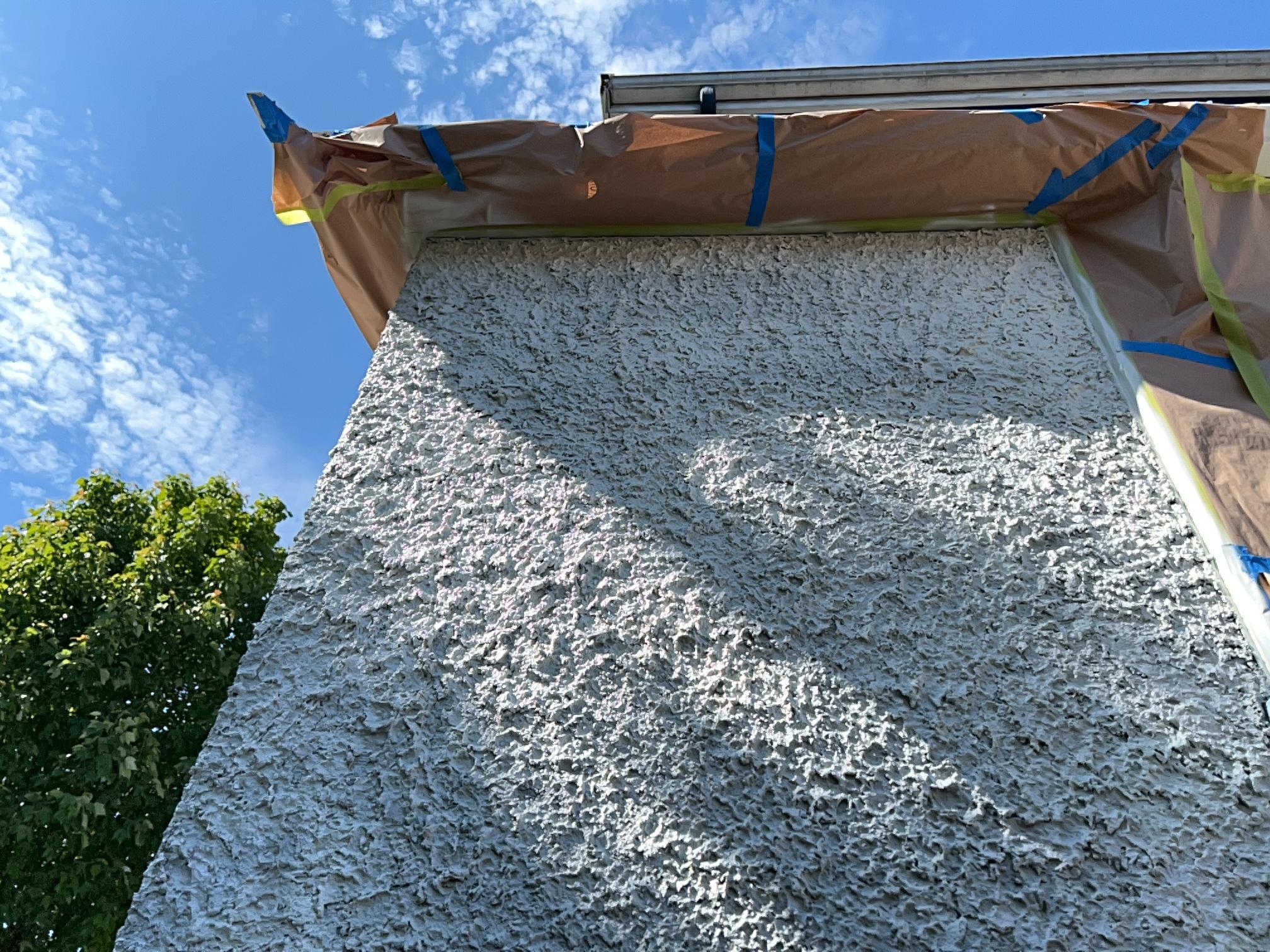
Peeling Can Trace Back to Poor Surface Prep
Peeling often starts long before the first strip of paint comes loose. New coatings need a clean, stable surface to grab onto. Dirt, grease, chalky old paint, loose material, or glossy finishes can prevent proper adhesion. Everything may look fine at first, but seasonal temperature changes eventually expose that weak bond.
Preparation takes more than wiping down a wall. Loose paint may need scraping, glossy areas may require sanding, and damaged surfaces need repairs before another coat goes on. Exterior areas can also collect mildew and grime that must be dealt with first. When homeowners see large sheets peeling from an otherwise solid wall, the original preparation deserves a closer look.
Chalking Usually Signals Years of Weather Exposure
Run your hand over older exterior paint and you may notice a dusty residue on your fingers. That is chalking. Sunlight and weather gradually break down ingredients in the coating, leaving a fine powder at the surface. A small amount can be a normal part of aging rather than evidence that someone painted the house incorrectly.
Heavy chalking is different. The finish may look faded, dull, and washed out as more of the coating breaks down. Painting directly over that powder can cause another adhesion problem because the new layer bonds to loose residue instead of a solid surface. Cleaning and assessing the old finish first gives the next coat a much better chance of lasting.
Early Failure May Mean the Paint Never Bonded Properly
Fresh paint should not begin coming off shortly after the job is finished. When failure appears within months or a couple of seasons, something may have interfered with adhesion. Moisture, contamination, incompatible coatings, rushed preparation, and painting outside the recommended temperature range are all worth considering.
Homeowners can learn something from how the material comes away. Paint that releases in large sheets may never have formed a strong bond with the surface below. Small isolated areas can point to localized contamination or repair work. Rather than covering those spots again, finding out why they failed can prevent the same damage from returning.
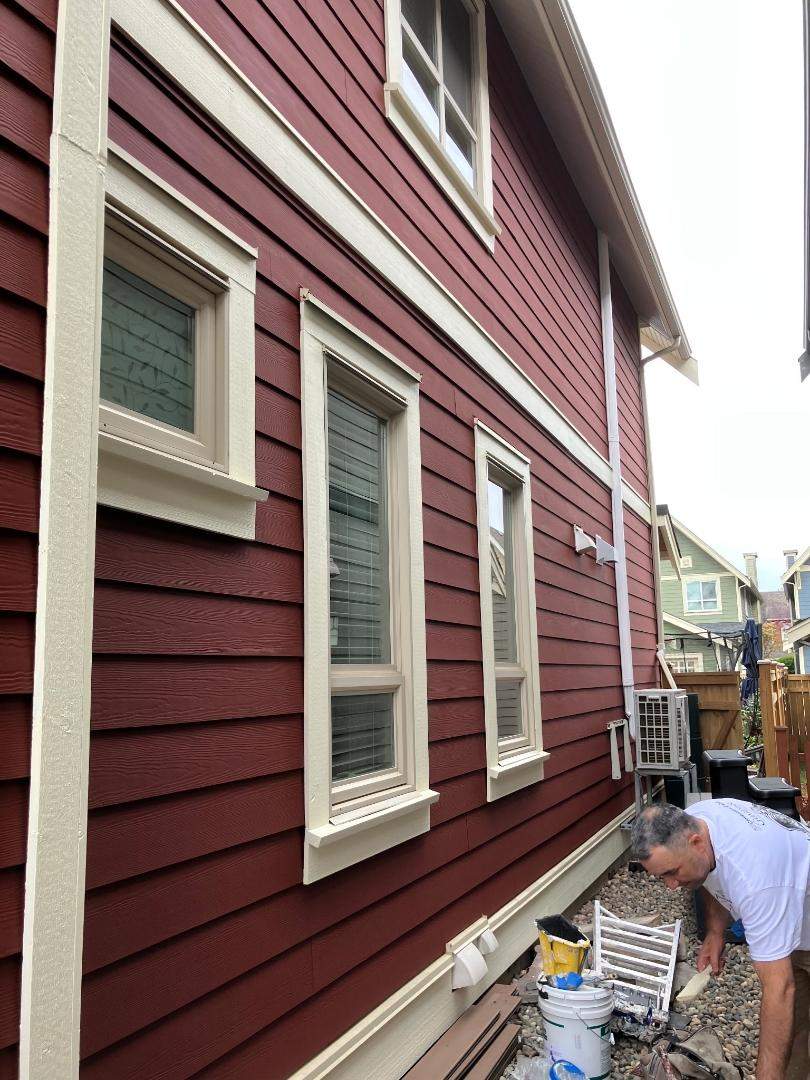
Certain Surfaces Need the Right Primer to Hold Up
Not every surface accepts paint the same way. Bare wood, repaired drywall, metal, masonry, stained areas, and previously glossy finishes can each create different challenges. Primer helps create the right base, but the type matters. A product suited to drywall may not solve the problems found on bare metal or stain-prone wood.
Skipping primer can also allow hidden problems to show through later. Wood tannins, old stains, patched areas, and certain marks may bleed into the finish even after several coats. Other materials may simply reject the new coating. Matching the preparation and primer to the surface is one of those behind-the-scenes steps homeowners rarely notice when it is done correctly—but quickly notice when it is not.
Uneven Damage Can Reveal Application Problems
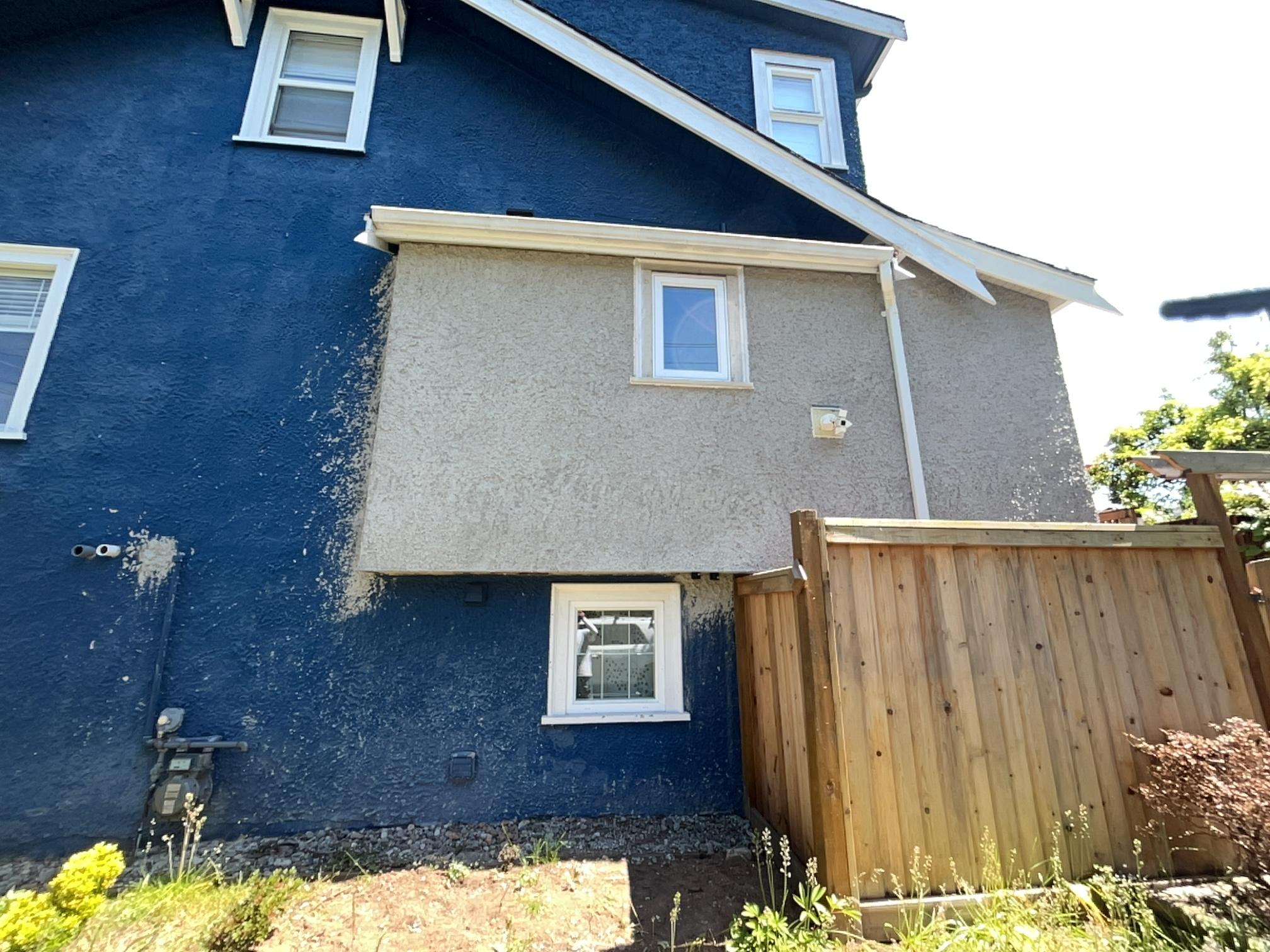
Paint that fails in one section while surrounding areas remain healthy deserves attention. Uneven damage can happen when different parts of the wall received different preparation, coverage, or drying conditions. Thin spots may weather faster, while heavy application can dry poorly and leave a softer film underneath.
Look at the pattern rather than one damaged spot. Problems around edges, corners, trim, or hard-to-reach areas may suggest inconsistent coverage. Lap marks and noticeable texture changes can also reveal how the material was applied. These clues do not automatically prove poor workmanship, but they can help narrow down whether the problem comes from the coating itself or how it went onto the surface.
Widespread Wear May Simply Mean the Paint Has Aged
Sometimes there is no hidden failure at all. Every paint system has a working life, and years of sunlight, rain, temperature changes, washing, and everyday contact gradually take their toll. Fading across an entire exterior or light wear throughout several rooms may simply mean the finish has reached the end of its useful life.
Normal aging usually looks more consistent than a sudden adhesion problem. Instead of one dramatic patch, homeowners may notice a gradual loss of colour, sheen, or surface strength across larger areas. Recognizing that difference matters. A worn coating may only need proper preparation and repainting, while recurring bubbles or peeling could point to something that needs fixing first.
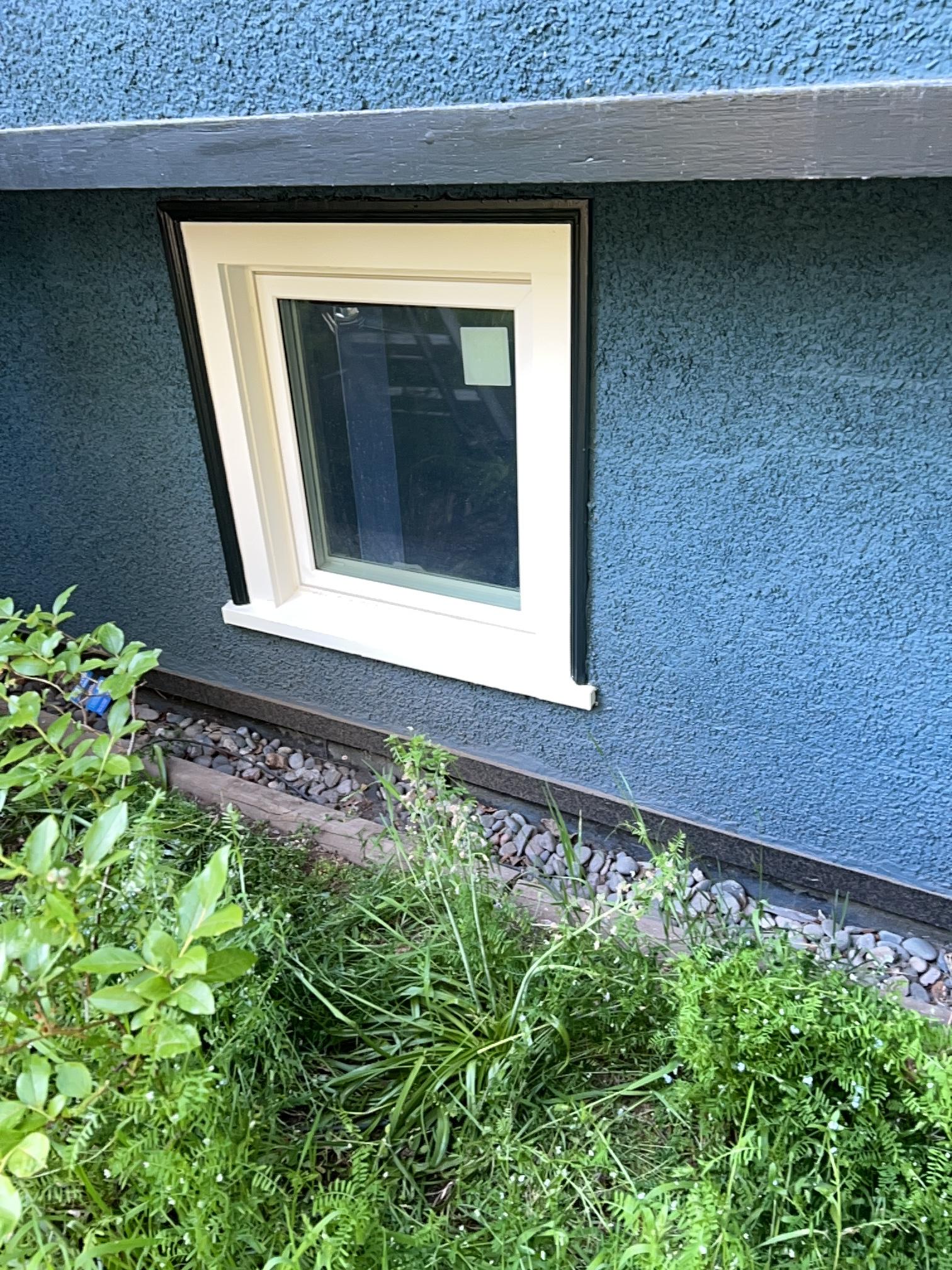
Find the Cause Before Another Coat Goes on the Wall with EB Painting
Blistering, peeling, and chalking should not automatically lead to the same solution. Putting fresh paint over a failing surface without understanding why it failed can leave you facing the same problem again. A careful inspection can reveal whether the issue comes from normal age, moisture, surface condition, preparation, or the way the previous coating was applied.
EB Painting can help homeowners take a more practical approach to worn or failing finishes. Instead of treating every damaged wall as a simple repaint, the first step is understanding what the surface needs so the next finish has a solid foundation. If paint around your home is bubbling, flaking, fading, or turning powdery, contact us at EB Painting to discuss the problem and the best way to restore the surface.
Frequently Asked Questions
Can EB Painting tell why my paint is peeling or blistering?
Yes. EB Painting can inspect the damaged areas and look for likely causes such as moisture, poor surface preparation, aging coatings, or adhesion problems. Finding the cause first helps avoid repeating the same issue.
Does EB Painting handle repainting after old paint starts chalking?
Yes. Chalking usually needs proper cleaning and surface preparation before new paint goes on. EB Painting can assess how much of the old coating has broken down and prepare the surface for a more durable repaint.
Can EB Painting help if only one part of my home has paint damage?
Yes. Uneven failure can sometimes point to localized moisture, sun exposure, surface contamination, or application issues. EB Painting can look at the pattern of damage and determine whether the problem is limited to one area or part of a larger issue.
When should I contact EB Painting about failing paint?
It is best to call when you start seeing peeling, blistering, heavy fading, or powdery residue rather than waiting for the damage to spread. You can contact us at EB Painting if you want the surface checked before deciding whether it needs repair, preparation, or a full repaint.